
By Kendall Jang, Staff Writer
Building a successful community cat program takes more than good intentions. It requires strategic planning, community partnerships, volunteer leadership, sustainable funding, and a strong understanding of humane population management.
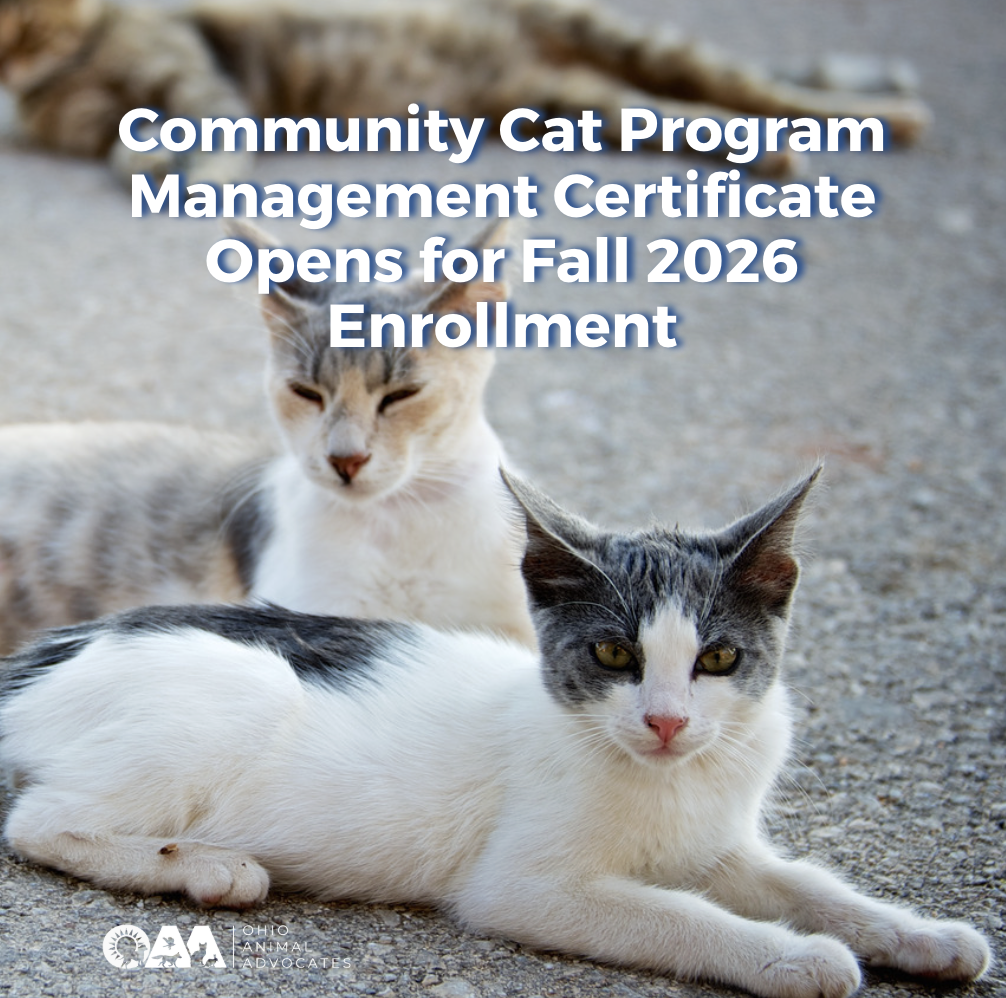
That's why Community Cats Central, in partnership with the University of the Pacific's Benerd College, is offering an eight-week online professional development course designed for anyone committed to improving outcomes for community cats, called the Community Cat Program Management Certificate
The next session begins September 14, 2026.
Professional Training for Community Cat Leaders
Whether you're caring for a neighborhood colony, managing a nonprofit, working in a shelter, or developing municipal policies, this certificate program provides practical tools you can immediately apply in your community.
Through expert instruction, real-world case studies, and live discussions with leaders in the field, participants learn how to build humane, sustainable programs that create lasting impact.
The fully online format makes it possible to participate from anywhere while balancing work, family, and volunteer commitments.
What You'll Learn
Throughout the eight-week course, participants will explore the key components of effective community cat program management, including:
Community cat population dynamics
Trap-Neuter-Return (TNR) best practices
Community outreach and public education
Legal and ethical considerations
Volunteer recruitment, training, and retention
Funding strategies and program sustainability
Conflict resolution and stakeholder engagement
Long-term program planning and evaluation
Rather than focusing solely on the mechanics of TNR, the course emphasizes building programs that are organized, collaborative, and designed for long-term success.
Flexible Online Learning
The Community Cat Program Management Certificate is designed to fit around busy schedules while still providing meaningful interaction and support. Participants receive:
Eight weeks of online instruction
Pre-recorded lectures from experienced professionals
Guest presentations from leaders in community cat work
Weekly readings, assignments, and quizzes
Live Q&A sessions every Friday
A Certificate in Community Cat Program Management upon successful completion
The combination of self-paced learning and live engagement allows participants to learn on their own schedule while connecting with instructors and fellow advocates.
Who Should Enroll?
This certificate is designed for anyone involved—or hoping to become involved—in humane community cat programs, including:
Community cat caregivers and advocates
Animal shelter professionals
Nonprofit leaders and program coordinators
Veterinarians and veterinary technicians
Animal control officers
Municipal partners
Students pursuing careers in animal welfare
Whether you're launching a new initiative or strengthening an existing program, you'll gain practical skills that can help improve outcomes for both cats and communities.
Each course session includes one Sue Black Memorial Scholarship, awarded through Community Cat Champions.
Additional scholarship opportunities may be announced before the course begins.
Next Steps
1. Registration for the Fall 2026 session is now open through the University of the Pacific. The next Community Cat Program Management Certificate begins September 14, 2026.
2. Want to take legislative action for community cats now? Use our Action Alerts page to help stop the irreversible and painful practice of declawing.
3. Looking for more resources on managing community cats? Check out our Community Cats advocacy page or our Statewide Directory for spay/neuter and TNR resources across Ohio.
4. Subscribe to our e-newsletter to receive animal welfare related news and resources in Ohio straight to your inbox.