
News
Stay informed on all things OAA, right here or in your inbox. Sign up for e-news to receive our resources, action alerts, events, and much more!
For media information regarding OAA or interview opportunities with one of our experts, please view our Media Kit.
Sign up for e-news:

OAA Book of the Month - Denali’s New Life
October is Domestic Violence Awareness Month, and OAA knows domestic violence affects animals too. This month’s book, Denali’s New Life, written by Karey Burek, PhD, and the Animal Welfare Institute, highlights a book that follows the true story of a dog named Denali, a dog that was severely impacted by domestic violence but found a new lease on life.
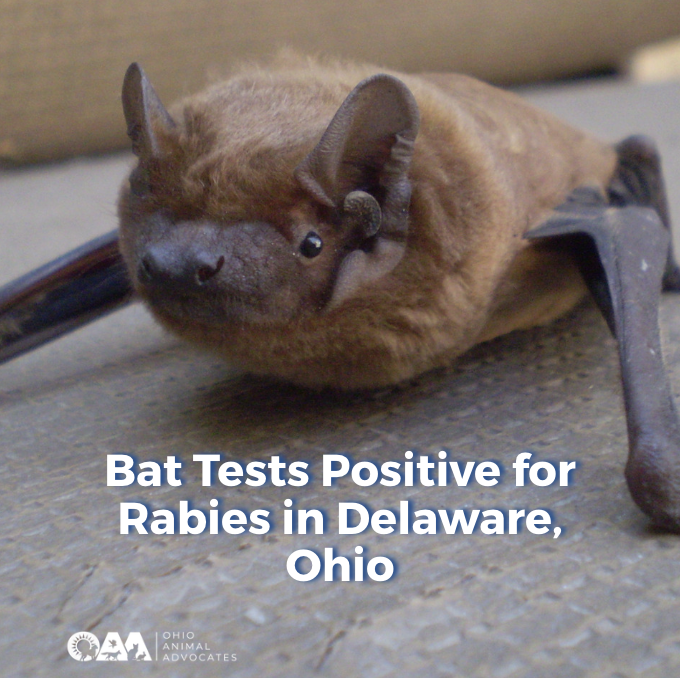
Bat Tests Positive for Rabies in Delaware, Ohio
The Delaware Public Health District confirmed a bat in the City of Delaware, Ohio, tested positive for rabies, prompting a reminder for residents to take precautions to protect themselves and their pets. Rabies is a viral disease that affects the central nervous system of mammals, including humans, dogs, cats, and wildlife. The virus is typically transmitted through the bite of an infected animal.

Bird Flu Outbreak at Utah Mink Farm Raises Animal Welfare and Public Health Concerns
A bird flu outbreak at a Utah mink farm is raising concerns about animal welfare, disease prevention, and the potential risks to human health. According to a September 27 report from The Salt Lake Tribune, a mink farm in Salt Lake County is experiencing the first documented outbreak of bird flu in captive mink in the United States.

Family Dog Travels 2,300 Miles, then Separated from Owners Following Immigration Detention
After traveling 2,300 miles with his family from Venezuela to the United States, a beloved dog named Simba is facing another heartbreaking separation. In 2022, Yurimar, her husband, their three children, and Simba traveled through Colombia, Central America, and Mexico, including the dangerous Darién Gap, seeking political asylum in the U.S. Determined to keep their dog with them.

From the Exam Room to the Statehouse: Dr. G's Fight for Animals
From investigating animal cruelty cases to expanding access to veterinary care, Dr. Alba Michelle Gonzalez, or Dr. G, is dedicated to making a difference for animals across Ohio. As both a practicing veterinarian and a forensic veterinarian, Dr. G has witnessed firsthand the challenges animals face, from neglect and cruelty to limited access to affordable veterinary care.

Scratching Is Normal: Here’s How to Protect Your Furniture
Scratching is a normal part of being a cat, even when your furniture would prefer otherwise. Our partners at Give Them Ten and Scooter the Neutered Cat recently shared helpful tips for understanding why cats scratch and how cat owners can redirect the behavior to more appropriate places.

Second Defendant Charged in Loudonville Dog Breeder Case, Also Faces Charges Involving Children
A second person has now been charged in connection with the investigation into the Loudonville commercial dog breeding operation previously covered by Ohio Animal Advocates. According to Richland Source, Ross C. Rutschilling, 24, faces six charges in Ohio, including five counts of aiding or abetting sexual conduct with an animal and one count of attempted cruelty to companion animals.

OAA Book of the Month - Nobody’s Cats: How One Little Black Kitty Came in From the Cold
Colder temperatures are around the corner, OAA knows how difficult it can be to see cats outdoors and wonder what you can do to help. That’s why we are highlighting a book that introduces young readers to community cats and how we can best support them through teamwork and education. Read about Nobody’s Cats: How One Little Black Kitty Came in From the Cold by Valerie Ingram and Alistair Schroff.

OAA Book of the Month - Community Cats: A Journey Into the World of Feral Cats
Community cats. Some people love them, while others may not understand them or why they’re here. As the seasons change and concerns about outdoor animals grow, OAA wanted to highlight a book for adult readers that takes a closer look at community cats through one person’s journey into TNVR (trap-neuter-vaccinate-return), backed by research and real-world experience.

Who Decides When a Pet Is Unsafe? Skid Row Debate Raises Questions About Animals & Homelessness
A debate in Los Angeles is raising difficult questions about animal welfare, homelessness, and how communities distinguish legitimate concerns about an animal’s well-being from assumptions based on a person’s housing status. Recent reporting and claims from some animal advocates have raised concerns about the treatment of animals in Los Angeles’ Skid Row neighborhood.

Disturbing Indiana Animal Abuse Case Underscores Need for Stronger Bestiality Penalties in Ohio
A recent criminal case in neighboring Indiana shows how serious cases involving the sexual abuse of animals can be. According to court documents reported by FOX59, an Indiana man is facing multiple charges after investigators allegedly found videos showing the sexual abuse of animals. Investigators said one video allegedly showed the man torturing and sexually abusing a dog.

The Animal Health Organization Faces Critical Staffing and Financial Challenges
The Animal Health Organization (TAHO) is facing a critical staffing and financial challenge that could impact access to veterinary care in its community. According to TAHO, the ongoing shortage of veterinarians has significantly affected both its staffing capacity and revenue, putting the organization in a precarious financial position.
“We can change the world and make it a better place. It is in your hands to make a difference.”
— Nelson Mandela
