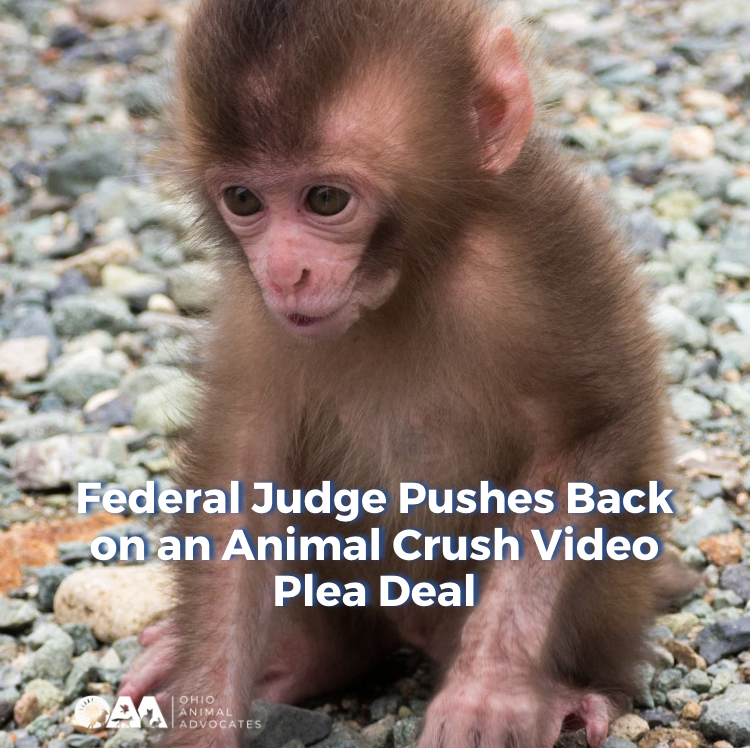
The U.S. District Court for the Southern District of Ohio recently drew a hard line in United States v. Dryden, refusing to accept a plea agreement the Court believed did not adequately reflect the seriousness of the conduct and would improperly limit the judge’s ability to sentence appropriately.
This decision matters because it highlights a key truth in animal cruelty prosecutions, especially in emerging, internet-driven crimes like “animal crush videos”: the law is still catching up to the scale, organization, and depravity of what’s happening online, and courts sometimes need room to respond accordingly.
What are “animal crush videos” and why are they prosecuted federally?
Federal law criminalizes the creation, distribution, receipt, and possession of certain depictions of “animal crush” acts, generally meaning obscene videos showing animals subjected to severe harm for gratification and/or profit. These are not “random” acts of cruelty; they often involve organized networks, online platforms, and payment systems that incentivize escalating violence.
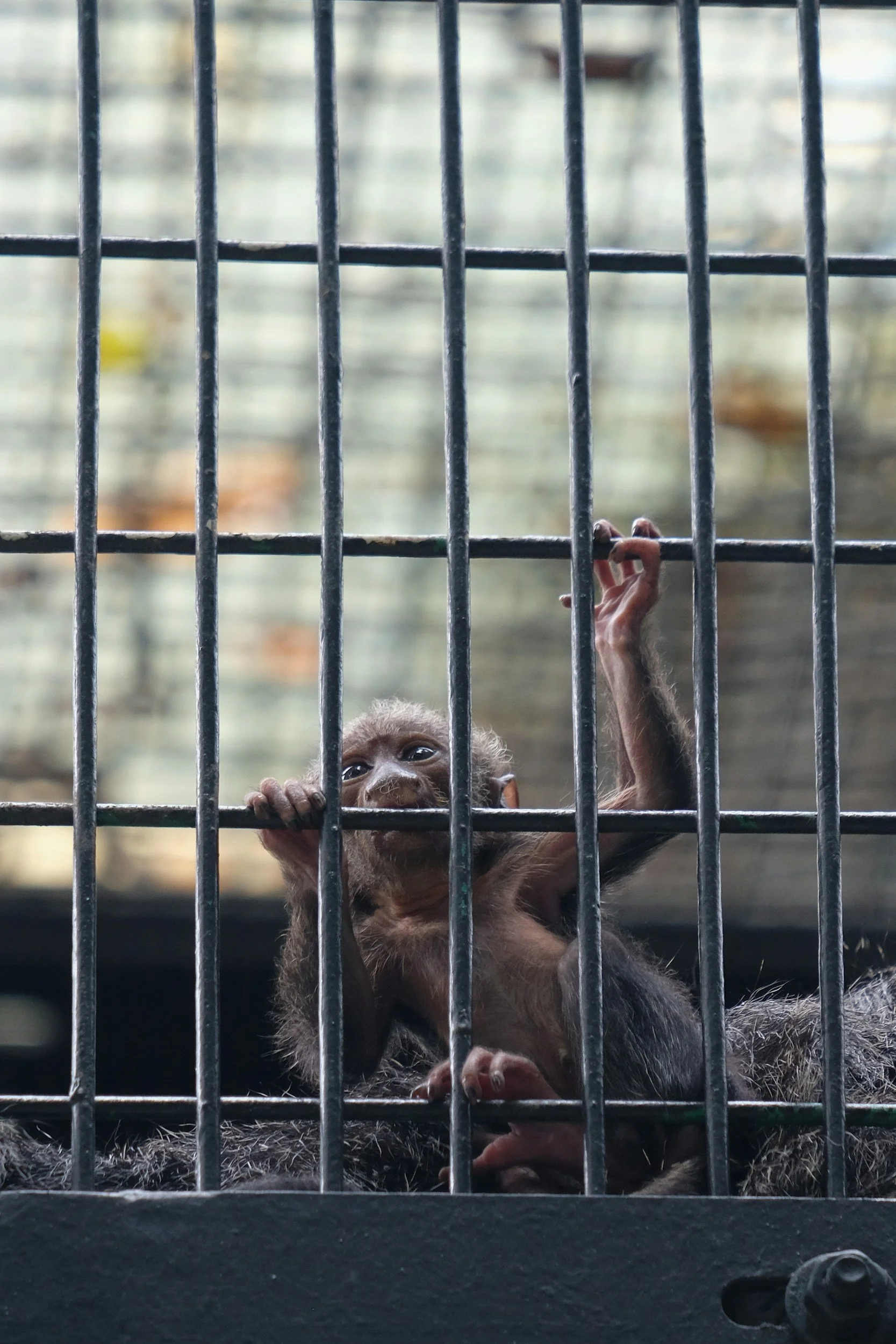
The Department of Justice has described investigations involving online groups dedicated to creating and distributing monkey torture and mutilation content as coordinated conspiracies with payment chains and international exploitation.
The Dryden case, in plain terms
Based on publicly available summaries and charging announcements, Dryden involves allegations of an online conspiracy tied to the creation and distribution of a very large volume of cruelty content.
According to the case materials the public provided (from the court’s order write-up), the parties entered a binding plea agreement that would have capped the sentence at 84 months, even though the combined statutory maximum exposure described in the court’s discussion was higher.
What the Court did (and why it’s significant)
In a Rule 11(c)(1)(C) agreement, the prosecution and defense propose a specific sentence (or range), and if the judge accepts the deal, that sentence binds the court. But the court is not required to accept it.
Federal Rule of Criminal Procedure 11 explicitly gives courts the power to accept, reject, or defer a decision on certain plea agreements.
In Dryden, the Court rejected the 84-month agreement as inadequate—emphasizing, in the materials you shared, factors such as:
the extreme depravity and volume involved
exploitation and coercion dynamics (including use of a minor)
the need for deterrence in a market driven by demand
the importance of preserving judicial discretion to impose a sentence that fits the full context
That’s a big deal because it signals: in severe animal cruelty cases—especially those involving organized “crush” networks—courts may scrutinize plea deals more aggressively and refuse agreements that minimize accountability.
What You Can Do
1. Support Increased Penalties for Animal Cruelty by visiting our Action Alerts page. Submit an action alert to share your stance on increased penalties for violating companion animal cruelty offenses and prohibit a felony animal abuser from owning a companion animal under certain circumstances.
2. If you see animal cruelty, check our Statewide Directory for resources on where to report animal cruelty in Ohio.
3. Sign up for our newsletter to receive OAA alerts and updates about other action alerts delivered straight to your inbox.