Investigation Raises Concerns Over Fate of Federally Protected Wild Horses
By Kendall Jang, Staff Writer
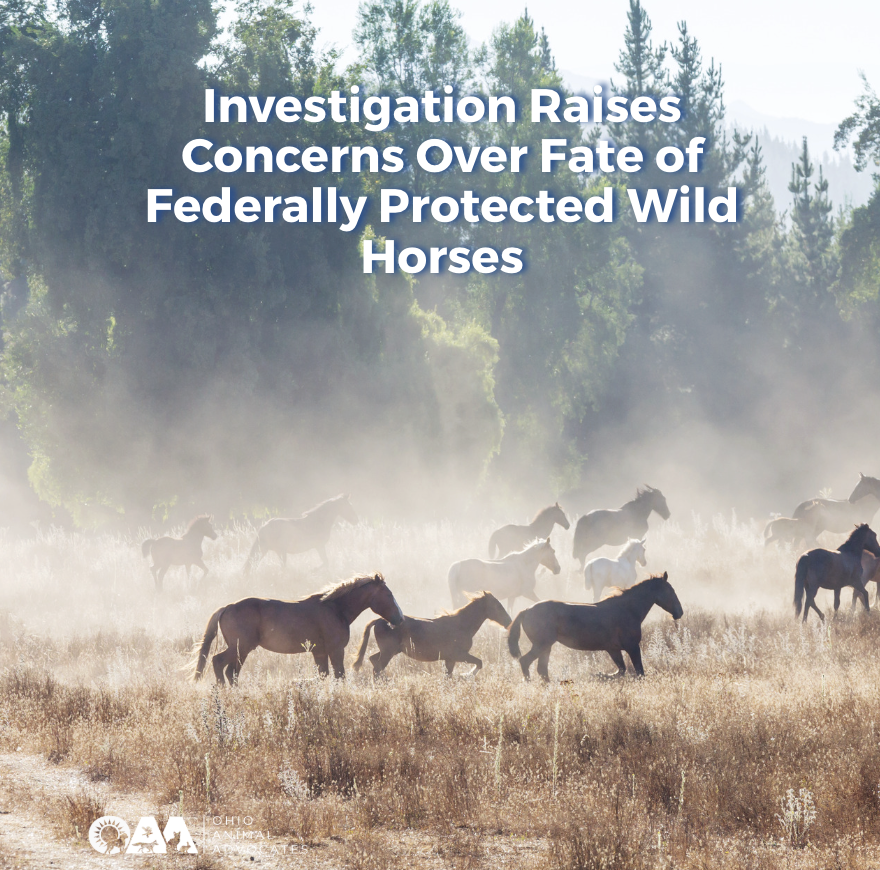
A recent investigation by The New York Times has raised concerns that some federally protected wild horses may be entering the slaughter pipeline after being sold by the U.S. Bureau of Land Management (BLM).
The investigation comes as federal sales of wild horses and burros have more than doubled to approximately 3,700 animals. The BLM manages wild horse populations through adoption and direct sales, with some previously unadopted animals recently selling for as little as $25.
Buyers who purchase horses directly from the agency agree not to send them to slaughter. However, once sold, the animals lose their federal protections, and the BLM does not routinely track them after the sale. The Times found that horses can also be resold to third parties who are not bound by the original agreement, creating a potential pathway to slaughter facilities outside the United States.
In response to concerns, the BLM increased its base sale price from $25 to $125 and strengthened its contract language. Animal welfare advocates argue that stronger post-sale tracking is still needed.
An Ohio Connection
According to the Times, approximately 500 federally managed horses have been sold to an Ohio livestock trader since 2025. The investigation followed one group of 68 mustangs purchased for $25 each. Their ultimate destination could not be confirmed, and the trader denied selling horses for slaughter.
The BLM maintains that it does not knowingly sell or send wild horses and burros to slaughter and says it takes potential violations seriously.
A Larger Management Challenge
The controversy is part of a broader debate over how the federal government manages wild horse populations.
More than 58,000 wild horses and burros are currently kept in off-range government holding facilities, costing taxpayers more than $100 million annually. The BLM also uses helicopter gathers to remove animals from public lands, a practice criticized by animal welfare groups over concerns about stress, injuries and family separation.
Humane organizations have advocated for greater use of reversible fertility-control vaccines as a way to manage herd growth while allowing more horses to remain on the range.
For Ohio Animal Advocates, this issue is about animal welfare. Regardless of the administration in office, strong safeguards, transparency and accountability are essential to ensure federally protected horses do not end up in the slaughter pipeline.
Take Action
1. Help protect equines by complete our action alerts for one or all of the following:
Enforce Rest Breaks for Animals Being Transported
Ban Dangerous Double-Deck Trailers for Horse Transportation
Protect Horses from Meat Slaughter
2. Learn more ways to support a higher standard of well-being for horses on our Equines advocacy page.
3. Share this story and action alerts with friends!
4. Subscribe to our e-newsletter to receive animal welfare related news and resources in Ohio straight to your inbox.