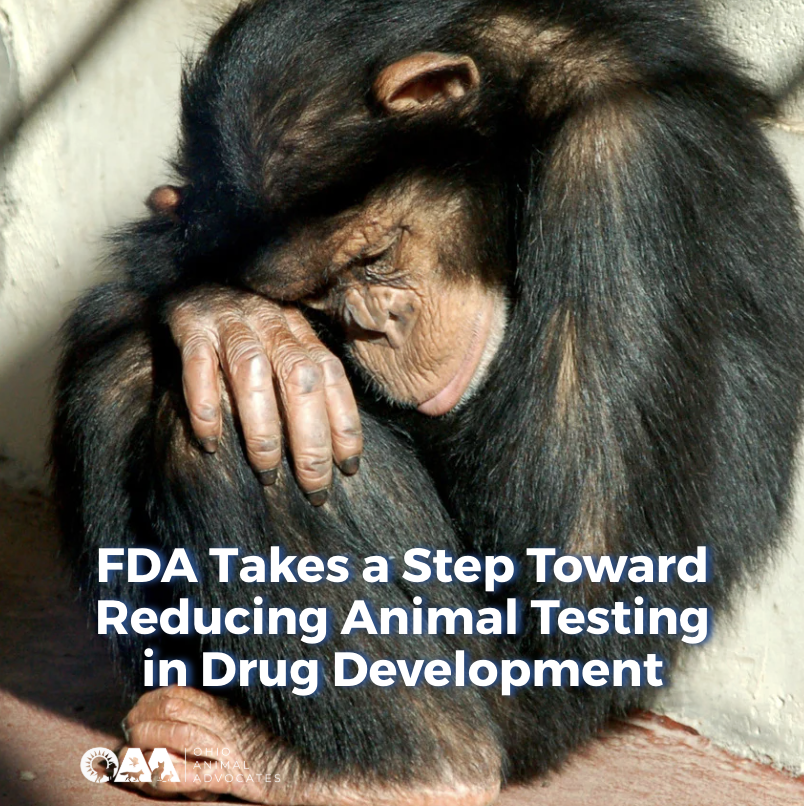
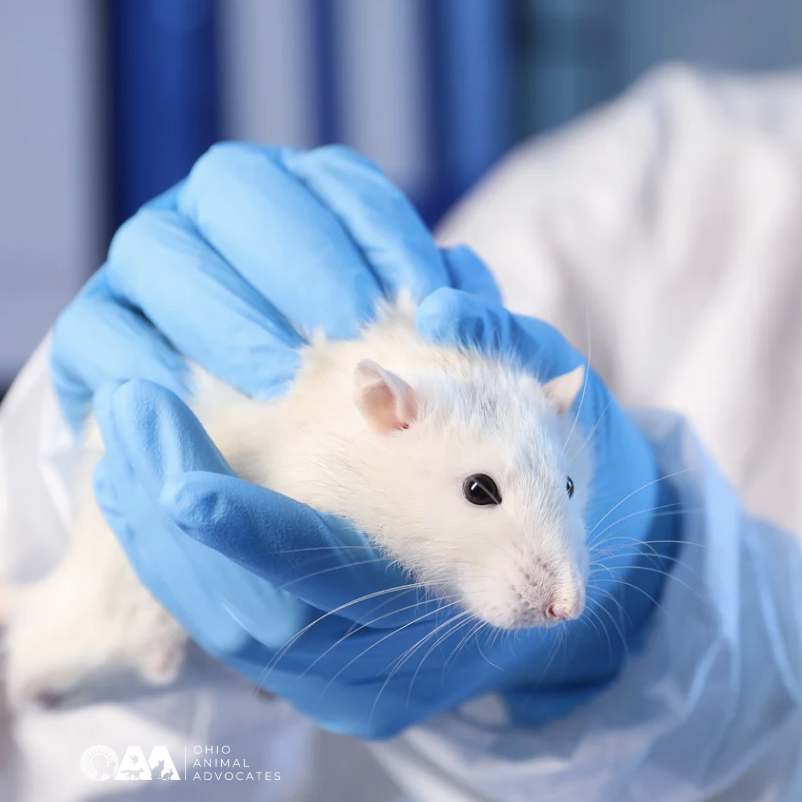
A significant shift may be underway in how drugs are developed in the United States. One that could reduce reliance on animal testing while improving outcomes for people. The U.S. Food and Drug Administration (FDA) recently announced a draft guidance for industry titled “General Considerations for the Use of New Approach Methodologies in Drug Development.” This guidance signals growing federal support for alternatives to traditional animal testing.
What Are “New Approach Methodologies” (NAMs)?
New Approach Methodologies (NAMs) refer to innovative, non-animal testing methods that use human-relevant data to evaluate the safety and effectiveness of drugs. These can include:
Advanced cell-based models
Organ-on-a-chip technology
Computer modeling and AI-driven simulations
Rather than relying on animal biology, which doesn’t always accurately predict human outcomes, NAMs aim to better reflect how drugs interact with the human body.
Why This Matters
For decades, animal testing has been a standard part of drug development. But it comes with both ethical concerns and scientific limitations. According to the FDA’s own communications, some drugs use an average of 144 monkeys during preclinical testing. Beyond the ethical implications, there’s a growing recognition that:
Animal models don’t always translate well to human biology
This can lead to failed clinical trials
It can slow down the process of bringing safe, effective drugs to market
The FDA’s new draft guidance reflects a shift toward methods that are not only more humane, but potentially more accurate.
What the Draft Guidance Does
The FDA’s draft guidance is designed to help drug developers:
Validate NAMs as alternatives to animal testing
Incorporate these methods into regulatory submissions
Improve the predictability of nonclinical studies, leading to safer clinical trials
Importantly, the guidance emphasizes that NAMs should be used when they: Improve human relevance and safety outcomes
While the draft does not yet address the use of NAMs in early-stage drug discovery, it strongly encourages their adoption in later stages of development, particularly when they can enhance safety and effectiveness.
A Step Forward—But Not the Finish Line
This draft guidance is an encouraging step, but it is not a final rule. For meaningful change to occur:
NAMs must continue to be validated and widely adopted
Regulatory frameworks must evolve alongside scientific innovation
Stakeholders, including advocates, researchers, and the public, must stay engaged
The FDA is currently accepting public comments on the draft guidance through May 18, 2026, providing an opportunity to shape the future of drug development.
Why Animal Advocates Should Pay Attention
For those working in animal protection, this development represents progress toward reducing the use of animals in laboratory testing. But it also highlights something bigger: When science advances, humane solutions become possible.
By supporting innovation and evidence-based policy, we can:
Reduce animal suffering
Improve public health outcomes
Encourage more ethical research practices
Take Action
1. Make your voice heard by submitting the following action alerts to stand against animal testing:
Prioritize Non Animal Methods in Research and Testing
Prohibit Unnecessary Animal Testing on Cosmetic Products
Stop Taxpayer-Funded Animal Testing Abroad: Support the CARGO Act
2. Explore resources on our Animal Testing advocacy page
3. Sign up for the Ohio Animal Advocates newsletter to receive updates, resources, and action alerts on issues affecting animals across the state.