By Kendall Jang, Staff Writer
Cats can be pretty persuasive when it comes to sharing our food. Between their adorable meows and pleading looks, it's tempting to offer them a bite of whatever we're eating. But some common human foods can be dangerous, and even toxic, to our feline companions.
In a recent newsletter, Scooter the Neutered Cat shared important food safety tips from our partners at Give Them Ten to help cat owners keep their pets safe.
Six Foods to Keep Away from Your Cat
While small portions of plain, cooked chicken, turkey, or salmon can be safe occasional treats, other foods should be avoided entirely.
Chocolate: Contains theobromine and caffeine, which can cause vomiting, tremors, abnormal heart rhythms, and seizures. Dark chocolate and cocoa powder are especially dangerous.
Onions and garlic: Can damage a cat's red blood cells and cause anemia. This includes raw, cooked, powdered, and dehydrated forms, as well as chives and leeks.
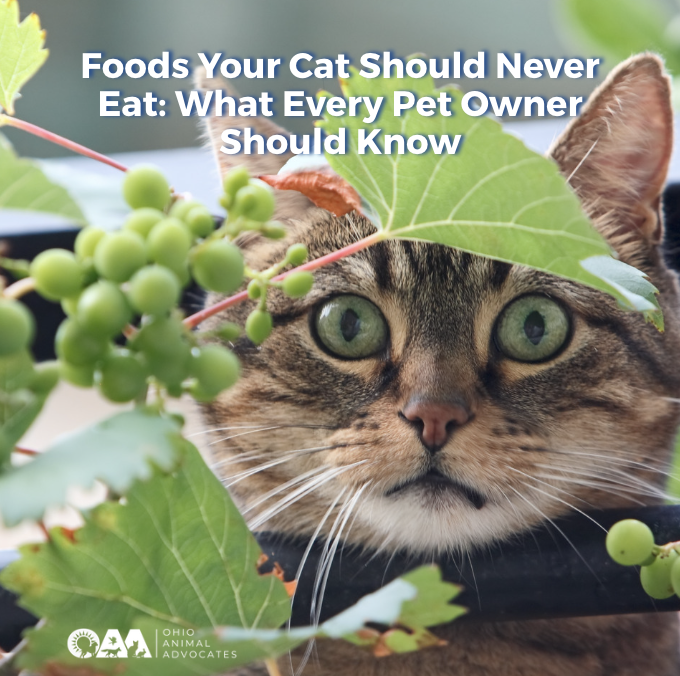
Grapes and raisins: Should be avoided because of potential kidney toxicity. Although the risk is well established in dogs, the effects in cats are less understood.
Xylitol: This artificial sweetener is found in some sugar-free foods and dental products. While its severe effects are well documented in dogs, toxicity in cats is less certain. Keep products containing xylitol out of reach.
Raw yeast dough: Can expand and ferment in a cat's stomach, potentially causing dangerous bloating and alcohol poisoning.
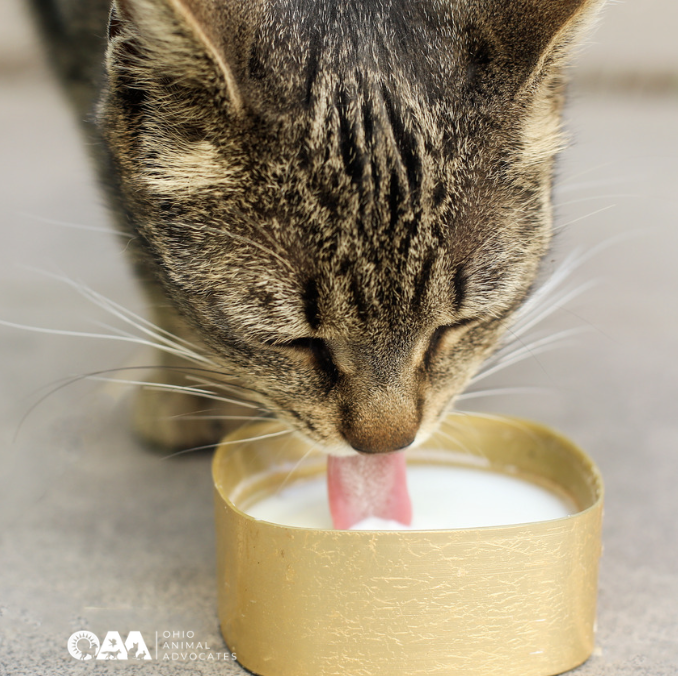
Dairy products: Many adult cats are lactose intolerant, meaning milk, cheese, and other dairy products can cause vomiting, diarrhea, and digestive discomfort.
Signs of Food Poisoning in Cats
Symptoms vary depending on what your cat has eaten, but warning signs may include vomiting, diarrhea, tremors, rapid heart rate, difficulty breathing, lethargy, or pale gums.
If you suspect your cat has consumed something toxic, contact your veterinarian immediately, even if symptoms haven't appeared. You can also call:
ASPCA Animal Poison Control Center: 888-426-4435
Pet Poison Helpline: 855-764-7661
Both services are available 24/7 and may charge a consultation fee. Never attempt to induce vomiting unless directed by a veterinary professional.
Keep Your Curious Cat Safe
Prevent accidental poisoning by storing food securely, keeping trash cans covered, and cleaning up food scraps promptly.
Remember, your cat doesn't need to share your dinner to feel loved! Providing a balanced diet, appropriate treats, and plenty of affection is the best way to keep your feline friend happy and healthy.
Take Action
1. Help us increase access to veterinary care for cats and dogs by completing our action alert for H.B. 664.
2. For more cat care tips and resources, visit our partners at Give Them Ten.
3. Help OAA make a difference for cats by making a donation.
4. Share this update and your completed action alert with friends and family!
5. Subscribe to our e-newsletter to receive animal welfare related news and resources in Ohio straight to your inbox.