By Maria Petkovic, John Glenn College of Public Affairs Intern
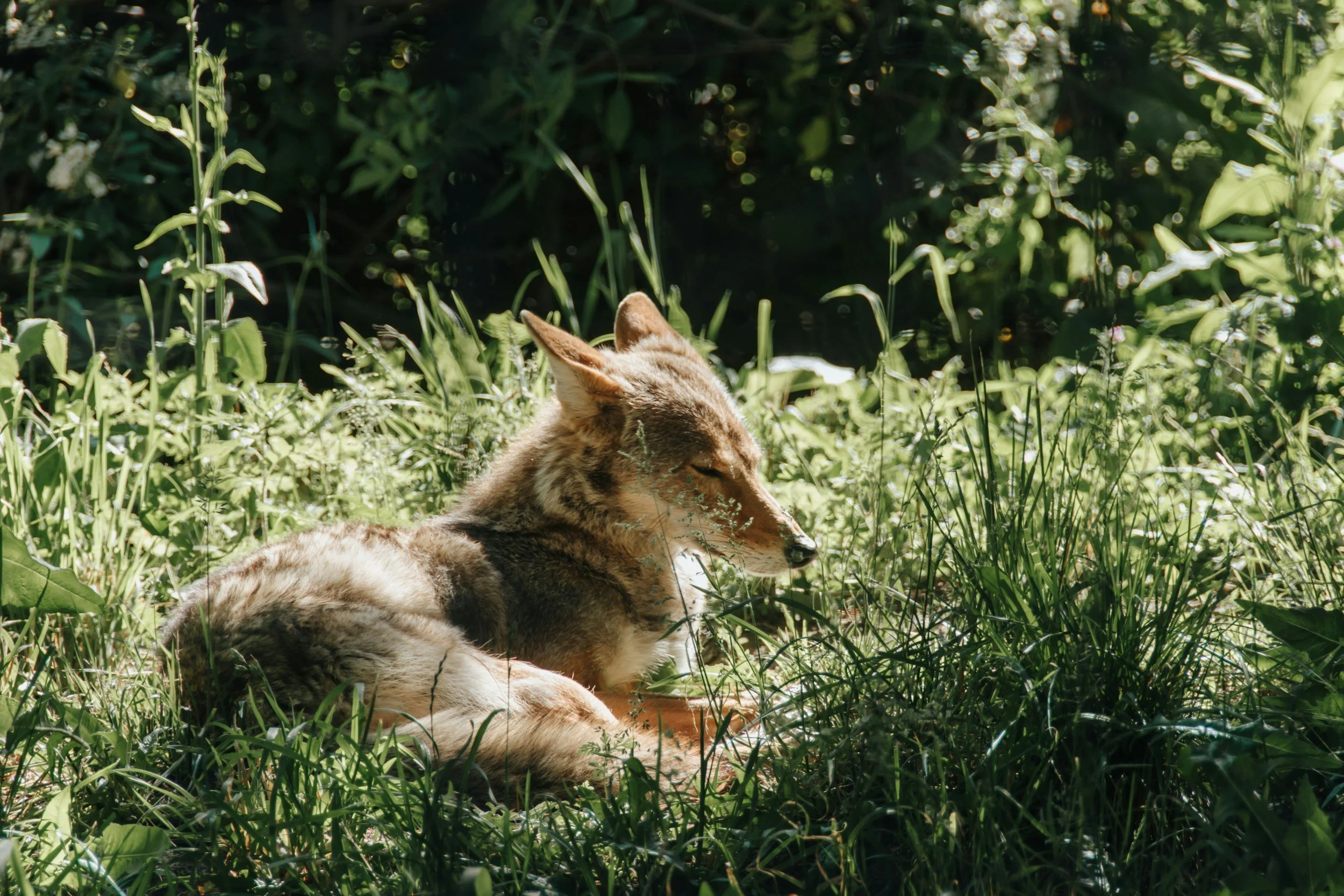
Coyotes get a bad rap. According to Project Coyote, wild carnivores are some of the most persecuted species in the United States. These animals, which play an integral role in natural ecosystems, try their best to avoid humans. Yet, they can be lured into urban environments by unintentional feeding and increased urban and rural expansion into wildlife habitats. Coyotes are becoming increasingly more common in communities across North America, including urban and suburban areas.
While their presence in communities can be a reason for concern, communities are able to mitigate the potential threat by taking practical steps to prevent conflict while recognizing coyotes’ ecological importance. Project Coyote, a partner of OAA, works to promote science-based, non-lethal strategies that foster coexistence between coyotes and communities.
One of the simplest ways of reducing coyote interactions is making homes and neighborhoods less desirable. In order to do this, residents can focus on limiting food sources for coyotes. Potential sources include:
Securing garbage that can be broken into easily with wildlife-proof garbage cans
Taking trash out in the morning of pickup rather than the night before
Securing compost containers
Avoiding feeding other wildlife, and keeping birdseed off ground to avoid attracting rodents
Keeping grills clean
Closing off crawl spaces and clearing brush and dense weeds
Eliminating water sources
Keeping pet food indoors
Many also worry that coyotes can pose a threat to pets and other small animals. Pet owners can help keep coyotes and pets safe by being watchful of small animals outside. For example, owners of small dogs can watch their pets when letting them out, or keep dogs inside until they are able to. Guide for Community Advocates: How to Help Make Your Community Coyote Friendly
For those who are taking care of outdoor animals, such as community cats, establishing routines and feeding schedules can reduce interactions with coyotes. Cat food that is left outside can attract coyotes and other wildlife, so limiting coyotes’ exposure to food sources not meant for them can discourage coyotes from continuing to seek out food sources in communities rather than ones in the wild. People with outdoor cats should additionally consider transitioning their pets to an indoor lifestyle, especially at nighttime and dawn/dusk where coyotes are most common.
For the sake of coyotes, humans, and pets, it is important that coyotes maintain a healthy fear of humans to deter them from urban spaces. If you see coyotes in your yard you can help discourage them from returning by making loud noises with pots and pans, or air horns. Residents in communities can also be better aware of the presence of coyotes by installing motion-activated lights, or security cameras.
Fences and other physical barriers are another important strategy to reduce interactions, especially in more rural areas or yards with livestock. Additionally, agricultural organizations can embrace more preventative measures rather than using lethal control by exploring fencing assistance or grants that can fund preventative infrastructure.
Implementation of non-lethal strategies are especially important, as discussions around coyotes often look at expansion of opportunities to hunt or kill. Creating a hunting season should not be a first response—instead, communities can look to increasing fencing, managing attractants, education, and other unlethal methods that are proactive in making sure negative interactions do not become an issue. These methods actively work to decrease negative coyote and community relationships and address underlying issues, rather than indiscriminately killing coyotes hoping the numbers of incidents will drop by themselves. Project Coyote: Coyote Coexistence Plan
Coyote killing contests, where participants compete to kill wildlife, are common and not yet illegal in the state of Ohio. These competitions result in the senseless death of tens of thousands of wild animals. Coyote hunting is legal year-round in Ohio, but these events have been outlawed in nine states across the US.
By adopting strategies to help reduce negative wildlife interactions, and helping us by advocating against needless killing, you can help coyotes while keeping neighborhoods safe. Take action against wildlife killing contests by submitting an action alert to contact your representative.
Get Involved
1. You can take action right from your computer! Speak out against wildlife killing contests by completing an action alert.
3. Learn more about the Wildlife Protection by visiting our advocacy page. We have more resources on advocating for protective policies at the state and local level and supporting conservation efforts.
4. Share this update and action alert with friends and family!
5. Subscribe to our e-newsletter to receive animal welfare related news and resources in Ohio straight to your inbox.