From the Exam Room to the Statehouse: Dr. G's Fight for Animals
By Kendall Jang, Staff Writer
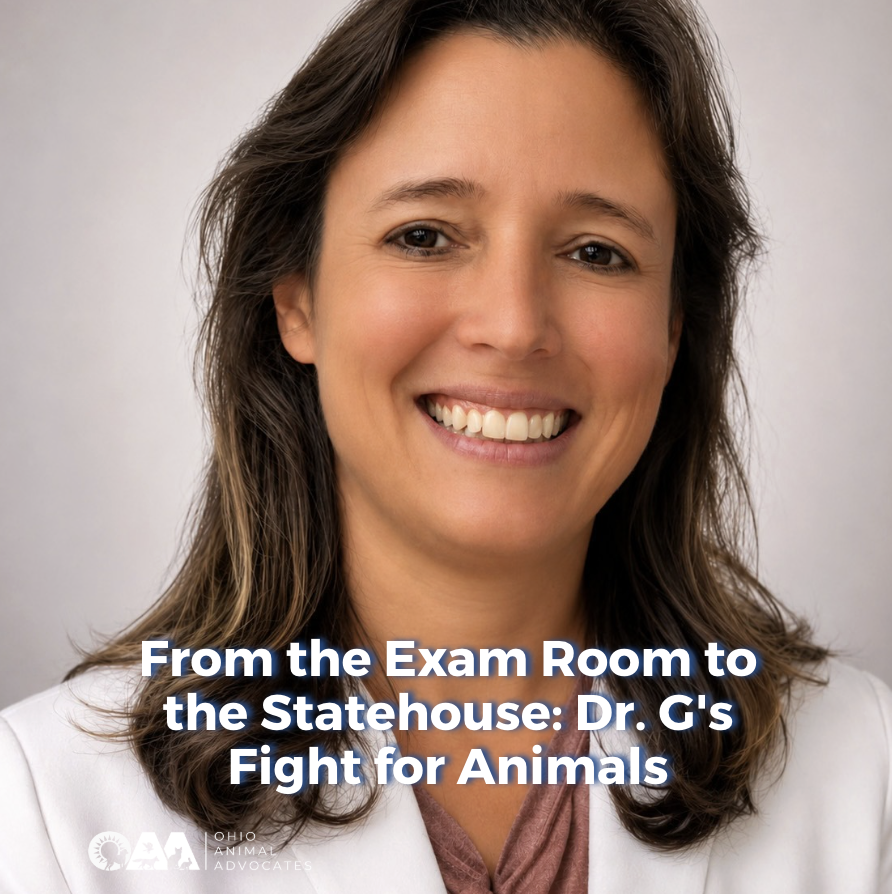
From investigating animal cruelty cases to expanding access to veterinary care, Dr. Alba Michelle Gonzalez, or Dr. G, is dedicated to making a difference for animals across Ohio.
As both a practicing veterinarian and a forensic veterinarian, Dr. G has witnessed firsthand the challenges animals face, from neglect and cruelty to limited access to affordable veterinary care. Her experiences have shaped her commitment to animal welfare and inspired her to advocate for changes that can help animals beyond the walls of her clinic.
Dr. G brings years of experience in veterinary medicine, animal cruelty investigations, and mobile veterinary services to the Ohio Animal Advocates Board of Directors. We recently sat down with her to learn more about her journey, the issues she's most passionate about, and her hopes for the future of animal advocacy in Ohio.
Question: Can you tell us a little about yourself and what inspired you to join the Ohio Animal Advocates Board?
Dr. G: As a veterinarian, I see firsthand what animals need when they come into the clinic. As a forensic veterinarian, I also see the suffering caused by animal cruelty and neglect.
What I've realized is that in practice, I can only help the animal in front of me. But by getting involved in policy and advocating for larger changes, I have the opportunity to help many more animals and make a greater impact.
I originally became involved with OAA as a consultant after connecting with Vicki on mandatory reporting issues. I worked with the organization for several years before joining the board.
I also earned my master's degree in veterinary forensics from the University of Florida in 2017. Since then, I've assisted local and national organizations with animal cruelty investigations, both in the field and through veterinary examinations.
Question: How did you first get involved in animal welfare and advocacy work?
Dr. G: Around 2014 or 2015, Humane World for Animals, formerly the Humane Society of the United States, was working on an animal cruelty case in Ohio and needed veterinarians to assist. It was a high-volume neglect and cruelty case, and I helped conduct examinations of the animals.
That experience really sparked my interest in veterinary forensics.
I've always loved animals, but I've also always enjoyed puzzles and investigating things. Veterinary medicine combines those interests. Animals are the ultimate puzzle because they're patients who can't tell you what's wrong. You have to figure it out for them.
That intellectual challenge, along with the opportunity to help animals who cannot speak for themselves, is what drew me to this field.
Question: What excites you most about being part of OAA at this moment?
Dr. G: Having a voice and the opportunity to make an impact through policy changes.
I constantly have ideas about things we could improve, and it's valuable to have other board members who can provide feedback and serve as a sounding board. We can discuss different approaches and determine how to move forward together.
One issue I'm particularly interested in right now is rabies legislation. As a traveling veterinarian, I'm concerned that not every county in Ohio mandates rabies vaccinations for dogs and cats. It's something I've brought to the board's attention, and we're looking into it.
Question: Are there particular issues or program areas within OAA's work that you feel most passionate about?
Dr. G: Puppy mills are a big one, especially because of my experience working on high-volume animal cruelty and neglect cases.
Another major priority is improving access to affordable veterinary care for homeless animals and pets belonging to low-income families. Veterinary care should be accessible to the people and animals who need it, and finding ways to make that happen is something I care deeply about.
Question: You're also the Medical Director of the Rascal Unit. What inspired you to start a mobile veterinary clinic?
Dr. G: After graduating from veterinary school, I completed an internship and began working in general practice. During that time, I worked with animal shelters that regularly brought animals to our clinic for spay/neuter surgeries.
Eventually, I started wondering where all these animals were coming from and why there were so many.
The shelters explained that the problem extended beyond central Ohio. In southern Ohio and Appalachia, there was a significant lack of veterinarians and access to care. Bringing animals into central Ohio was overwhelming local clinics.
I'm a problem solver, so I started thinking: What if we brought veterinary services directly to the communities that needed them?
That's how the Rascal Unit got started. The goal was to make spay/neuter and wellness care more accessible while helping shelters address animal overpopulation.
Today, I serve as medical director alongside our associate veterinarian, Dr. Allison Middleton, and a dedicated team of veterinary technicians and management staff. Several team members have been with us for more than 10 years.
In a profession where burnout and compassion fatigue are common, that kind of commitment means a lot. Our team believes in the mission and the importance of helping both animals and the people who care for them.
Question: What's one memorable experience you've had that shaped your perspective on animal welfare?
Dr. G: One of the most significant experiences was my involvement in the Baldwin animal cruelty and fraud case.
This case demonstrated the connection between harm to animals and harm to people. I testified both as an expert witness and as a victim because our organization had also been affected.
Baldwin was found guilty, and the case resulted in significant penalties, including a substantial prison sentence.
Not every animal cruelty case is prosecuted the way we hope, and perpetrators don't always receive the penalties we believe they deserve. But cases like this show that progress is happening and that people are being held accountable.
It's encouraging to see that progress, even when it happens little by little.
Question: Do you share your life with any animals at home? Tell us a little about them!
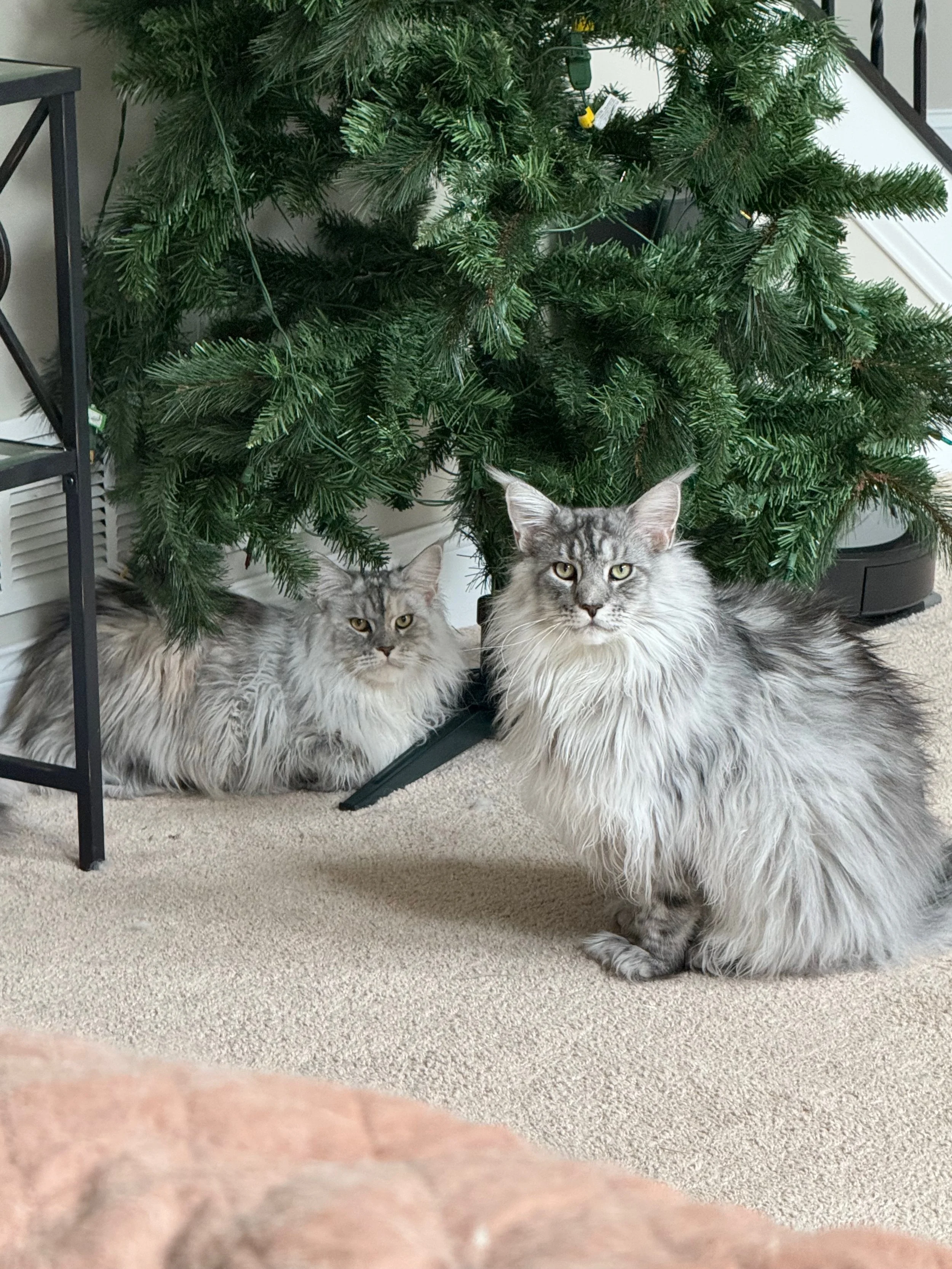
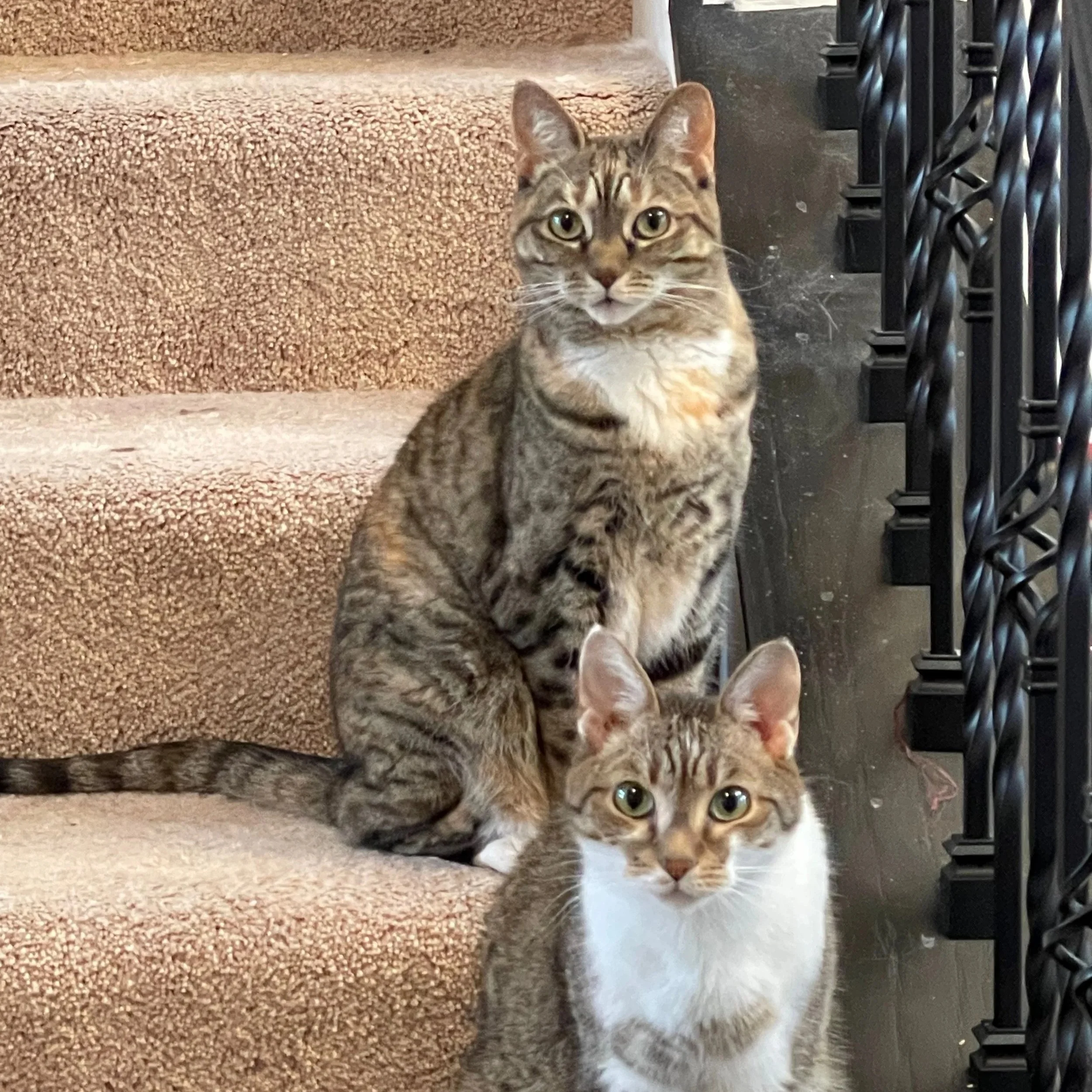
Dr. G: I have four cats! Two are about 12 years old, and the other two are about 2 years old. They all hate each other, so my house is never boring!
The two older cats came from a litter of kittens brought into the veterinary hospital where I was working. We had recently lost one of our cats, and my son was especially upset, so I ended up bringing two kittens home.
The younger two are Maine Coons rescued from a breeding operation that wasn't properly caring for its cats. They were almost feral when I got them, but they've developed their own unique personalities.
One of them weighs about 25 pounds, and he's actually pretty slender for his size. It's almost like having a dog!
Question: What are your hopes for OAA's future?
Dr. G: I'd love to see OAA continue growing and expanding its impact.
One of the things I appreciate about our board is that everyone brings different backgrounds, experiences, and perspectives. We don't all need to think exactly alike. We need to share the same mission and vision, but our different experiences are what make us stronger.
As the organization grows, I hope we continue identifying important animal welfare issues, finding ways to address them, and potentially expanding our advocacy to include additional species.
Question: If you could inspire one action from Ohioans to make a difference for animals, what would it be?
Dr. G: Call your local representatives about animal welfare legislation and policies that matter to you. We elect these representatives, and they want to hear from their constituents. Sometimes people think, "I'm just one person. My voice doesn't matter." But it absolutely does.
Every phone call, letter, and email makes a difference. When enough people speak up together, we can help create stronger laws and better protections for animals.
Question: What's your spirit animal, or an animal you feel especially connected to, and why?
Dr. G: I've always liked wolves.
I admire their pack mentality. They have a close-knit group, they're fierce and protective, and they take care of one another.
That sense of loyalty and protecting those around you is something I really connect with.
Question: Is there anything else you'd like people to know about animal advocacy?
Dr. G: One thing I've learned through my work with OAA is that things don't always go your way.
I've testified in court and spoken in front of state representatives about issues that, to me, seem like common sense. Sometimes you think the outcome should be obvious, but things don't turn out the way you hoped.
It can be incredibly frustrating.
But I've learned that every experience teaches us something. When an effort doesn't succeed, we have to ask ourselves what we can do differently. How can we make our case stronger? How can we help people better understand the importance of animal welfare?
The fight doesn't stop just because someone doesn't see animal welfare as a priority. We find new ways to educate people, strengthen our approach, and continue speaking for the animals.
Follow in Dr. G’s Footsteps
Dr. G's work is a reminder that meaningful change happens both through direct care and through advocacy. Whether she's providing veterinary services in underserved communities, investigating animal cruelty, or advocating for stronger protections, her goal remains the same: improving the lives of animals.
You can make a difference, too.
1. Visit our Action Alerts page and easily send a letter to your legislator on the issue(s) most important to you!
2. Learn more about supporting legislation that protect dogs and puppies in mills, spread awareness about the plight of mill dogs, and encourage Ohioans to adopt a pet. Visit our Puppy Mill advocacy page.
3. Share this update and action alerts with friends and family!
4. Subscribe to our e-newsletter to receive animal welfare related news and resources in Ohio straight to your inbox.