OAA Joins National Coalition Opposing Increased Slaughter Line Speeds
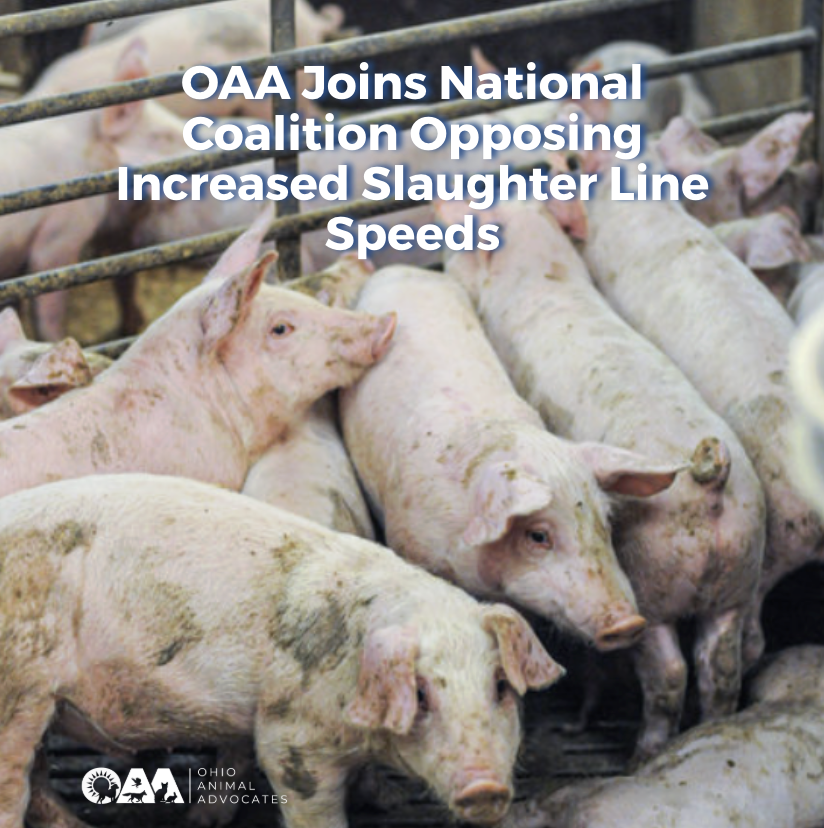
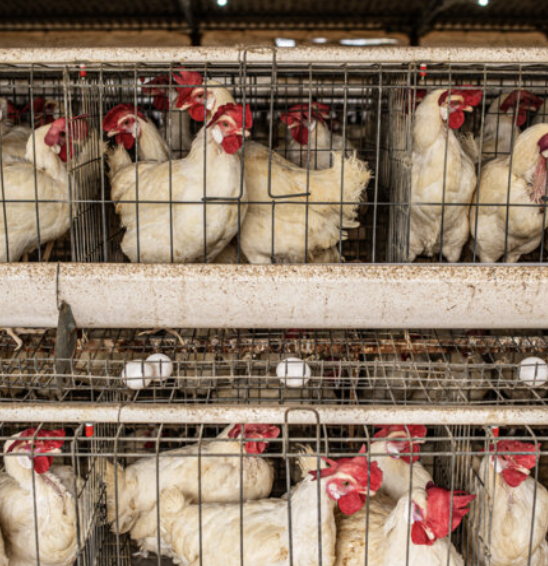
Ohio Animal Advocates (OAA) recently joined a broad national coalition of animal welfare, public health, environmental, and legal advocacy organizations in submitting formal comments opposing proposed federal rules that would increase slaughter line speeds for pigs, chickens, and turkeys.
These proposals, put forward by the U.S. Department of Agriculture’s Food Safety and Inspection Service (FSIS), would allow slaughter facilities to process animals faster, prioritizing efficiency and production over animal welfare, worker safety, and food safety.
What Are “Line Speeds” and Why Do They Matter?
In slaughterhouses, “line speed” refers to how quickly animals move through the processing line. The faster the line:
The less time workers have to properly handle animals
The less time inspectors have to identify problems
The greater the risk of mistakes, suffering, and safety failures
The proposed rules would:
Remove line speed limits for pig slaughter under the New Swine Slaughter Inspection System (NSIS)
Increase poultry processing speeds to up to 175 birds per minute in some facilities
Why OAA Opposes These Changes
OAA joined dozens of organizations in urging FSIS to abandon these proposals due to their wide-ranging impacts.
1. Increased Animal Suffering
Faster line speeds make it significantly harder to ensure animals are handled and slaughtered humanely. Federal law requires animals to be rendered insensible to pain before slaughter—but when speeds increase, that standard becomes harder to meet in practice. The result:
Improper stunning
Animals conscious during slaughter
Increased stress and suffering
2. Threats to Food Safety
Inspectors are required to examine animals before and after slaughter to ensure meat is safe for consumption. But at higher speeds:
Inspectors have less time per animal
Contaminated or diseased meat is more likely to be missed
Risk of foodborne illness increases
The coalition argues that increasing line speeds would undermine the government’s ability to ensure a safe food supply.
3. Worker Safety Concerns
Slaughterhouse work is already one of the most dangerous industries in the country. Faster line speeds mean:
More repetitive motion injuries
Higher risk of accidents
Increased physical and mental strain
The proposals would even reduce certain worker safety requirements in poultry facilities, raising additional concerns.
4. Lack of Transparency and Accountability
The coalition also raised concerns about:
Limited public access to data used to justify the rule
Inadequate environmental review
Failure to fully consider impacts on animals, workers, and communities
Under federal law, agencies must base decisions on sound evidence and consider all relevant impacts, standards the coalition argues these proposals fail to meet.
A Broad Coalition Speaks Out
OAA was proud to stand alongside a diverse coalition of organizations, including legal advocacy groups, farm sanctuaries, environmental organizations, and national animal welfare leaders. This collective response reflects a growing awareness that industrial animal agriculture impacts:
Animals
Workers
Public health
The environment
And that these issues are deeply interconnected.
Why This Matters
At its core, this issue is about priorities. Should our food system prioritize speed and profit or safety, accountability, and humane treatment. Increasing slaughter line speeds may improve efficiency for large corporations, but it comes at a cost. And that cost is borne by animals, workers, and consumers alike.
What’s Next
The proposed rules are still under review, and public input plays a critical role in shaping the outcome. OAA will continue to:
Advocate for humane treatment of all animals, including farmed animals
Support policies grounded in science, safety, and compassion
Work alongside coalition partners to push for meaningful change
Take Action
You can help ensure that animal welfare and public safety remain priorities. Sign up for the Ohio Animal Advocates newsletter to stay informed about federal animal welfare policies and across Ohio.