By Erin Lawson, Operations Director
A proposal to add a constitutional right to hunt, fish, and harvest wildlife to the Ohio Constitution has stalled in the Ohio General Assembly. For advocates, this is an important win for Ohio’s wildlife and science-based wildlife management.
What is S.J.R. 8?
Senate Joint Resolution 8 (S.J.R. 8), introduced by Senator Stephen Huffman, proposed adding a new section to the Ohio Constitution establishing a constitutional right to “hunt, fish, and harvest wildlife.” The proposal described hunting and fishing as valued parts of Ohio’s heritage and a “preferred means” of managing and controlling wildlife, but did not establish any constitutional requirement that hunting, trapping, or fishing methods be humane.
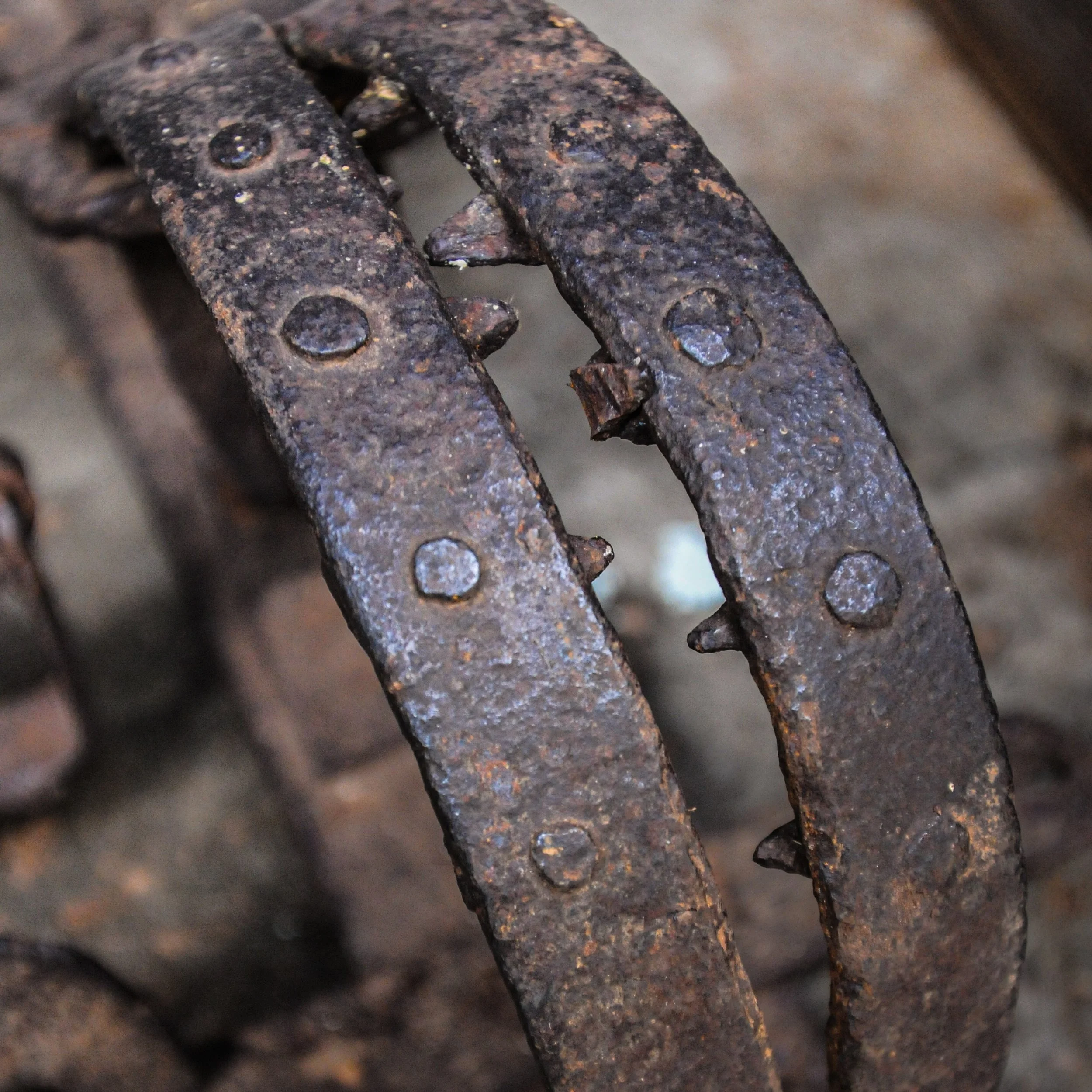
The resolution would have elevated these activities from regulated practices to constitutional rights, including the use of “traditional methods,” a term the proposal never clearly defined in the resolution, but has been known to includeleg-hold traps, strangle snares, and other inhumane practices.
S.J.R. 8 was referred to the Senate General Government Committee in October 2025 and received three hearings but ultimately did not advance to a vote of the full Senate or to the ballot.
A Solution in Search of a Problem
As OAA members explained in their testimony, S.J.R. 8 sought to address a problem that does not exist. Wildlife management must remain with the Ohio Department of Natural Resources (ODNR), where decisions can be based on science, conservation, population data, and changing environmental conditions.
Wildlife management is complex, and factors such as poaching, land use, population changes, habitat, and other environmental conditions all affect Ohio’s wildlife. Regulations must remain flexible enough to respond to these factors and protect Ohio’s wildlife populations.
OAA and Our Partners Speak Up
OAA Board members Kailey Leary and Vicki Deisner testified in opposition to S.J.R. 8, bringing their concerns directly to Ohio lawmakers. Mark Finneran with Humane World for Animals and Columbus Animal Advocates joined in opposition testimony. But our advocacy went far beyond two testimonies.
OAA worked with partners across Ohio to conduct grassroots outreach that resulted in 48 opponent testimonies, including testimony from Ohio hunters. Opponents from a variety of backgrounds raised concerns about the need for the resolution and its potential consequences for Ohio’s wildlife.
What Happens Next?
For now, S.J.R. 8 remains in the Senate General Government Committee and has not been adopted by either chamber or sent to Ohio voters. Similar proposals have been introduced in previous General Assemblies, including S.J.R. 3 in the 134th General Assembly and H.J.R. 5 in the 135th General Assembly.
That means continued advocacy matters.
At Ohio Animal Advocates, we will continue monitoring legislation that affects Ohio’s wildlife and speaking up when proposals could impact any animal within the state, from wildlife to pets to farm animals, we will always look out for and be the voice for the voiceless.
This is what grassroots advocacy looks like. Sometimes it means sitting in a committee room, submitting testimony, answering questions, and making the case for animals directly to the people making decisions about Ohio’s future.
Get Involved
1. Take action in opposing the right to hunt and fish by completing our action alert for SJR 8 and HJR 1.
2. Learn more about Wildlife Protection and how to promote coexistence with Ohio’s wildlife by visiting our advocacy page. There you can find more information on protective policies at the state and local level and supporting conservation efforts.
3. Share this update and action alerts with friends and family!
4. Subscribe to our e-newsletter to receive animal welfare related news and resources in Ohio straight to your inbox.