New World Screwworm Confirmed in U.S. Dog: What Pet Owners Need to Know
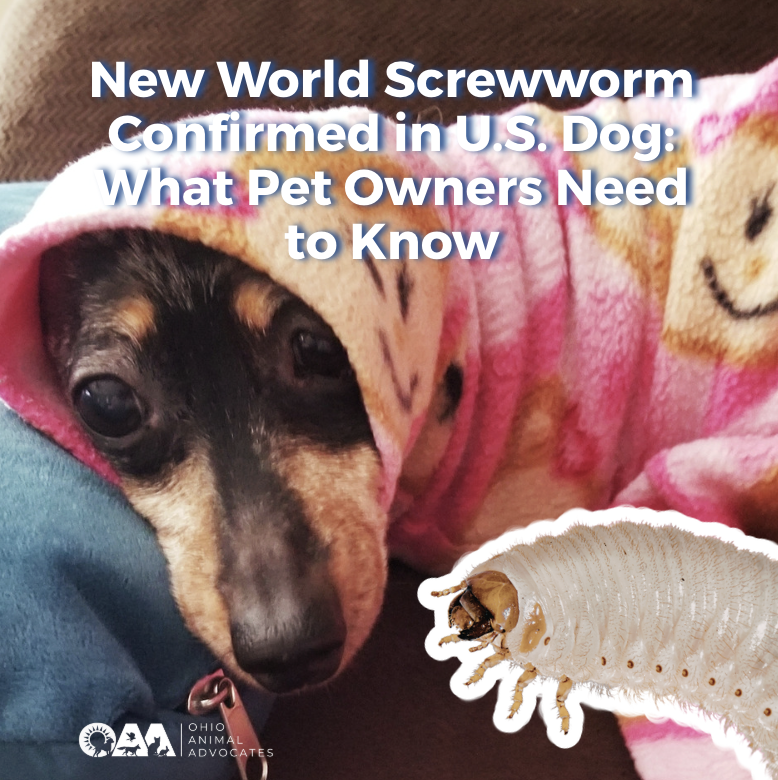
After decades of successful eradication efforts, New World screwworm has returned to the United States. While the parasite primarily affects livestock, veterinarians recently confirmed the first canine case associated with the current outbreak, a reminder that pet owners should be aware of the signs while avoiding unnecessary panic.
What is New World screwworm?
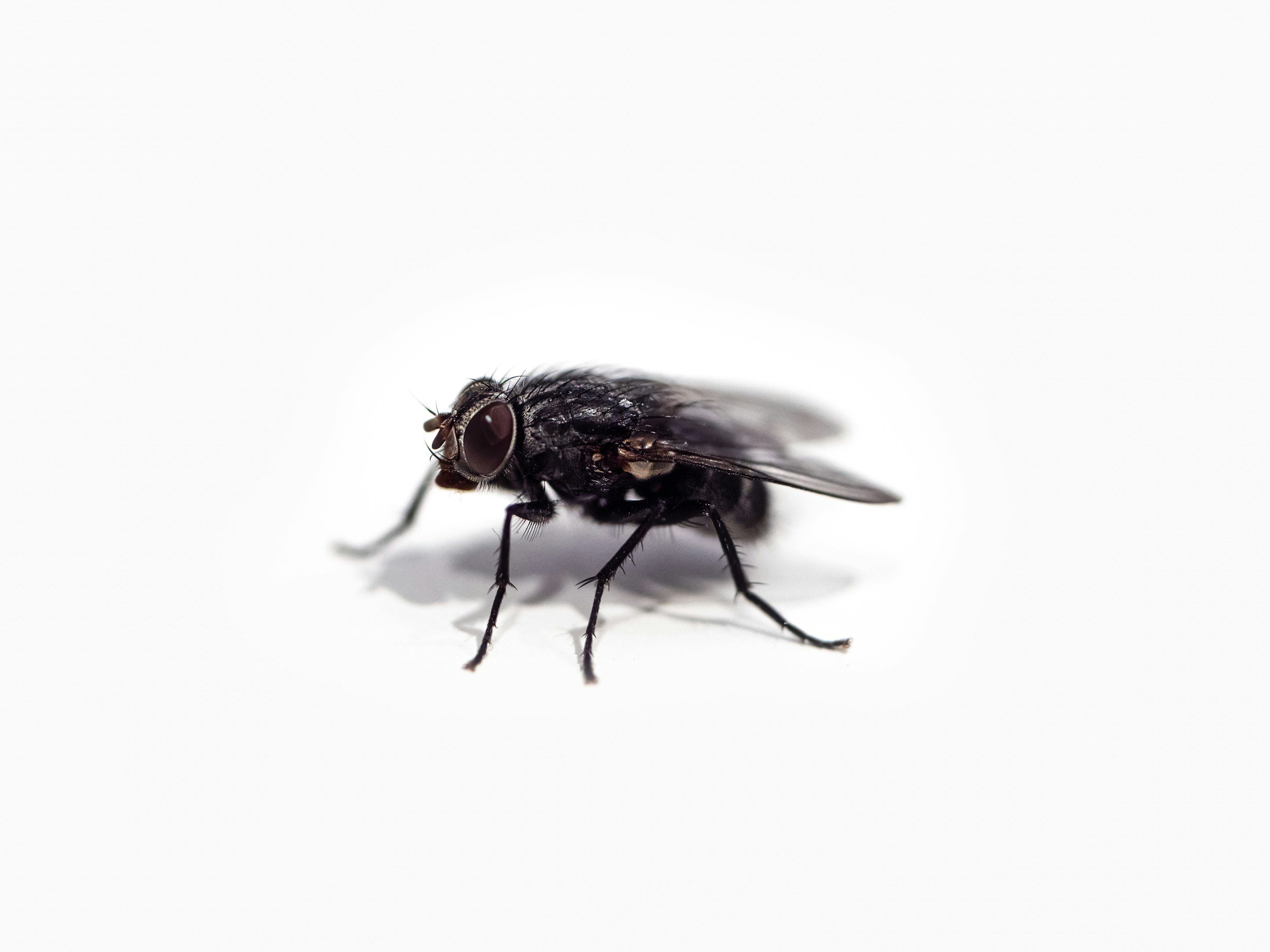
Unlike common blowflies, which lay eggs in dead or decaying tissue, the New World screwworm fly lays its eggs in living tissue. The larvae hatch and burrow deeper into wounds, eyes, ears, the umbilical area of newborn animals, and other natural body openings, feeding on healthy flesh. Left untreated, infestations can become severe and even life-threatening.
The first canine case
The recent canine case involved a 10-year-old shih tzu treated at a veterinary clinic in West Texas. The dog was brought in for what appeared to be a small wound near its eye. While maggots are occasionally seen in neglected wounds, the veterinarian noticed something unusual: the tissue was still alive, and the wound had an especially foul odor.
After sedating the dog, the veterinarian discovered dozens of larvae beneath the skin. Laboratory testing confirmed they were New World screwworm larvae. The dog was treated by removing the larvae, administering an antiparasitic medication, and closely monitoring recovery. Fortunately, the dog made a full recovery and returned home within two weeks.
Why is screwworm back?
The United States successfully eliminated New World screwworm decades ago through an innovative sterile fly program. Sterile male flies are released into affected areas, preventing successful reproduction and gradually reducing wild populations.
In recent years, however, screwworm has spread northward through Central America and Mexico. In June 2026, the U.S. Department of Agriculture confirmed the first U.S. livestock case since 1982 in Texas. Additional cases have since been identified in livestock, along with the recent dog case.
Federal and state officials have responded with quarantines, increased surveillance, and renewed sterile fly releases to help contain the outbreak.
What should pet owners watch for?
Most pets are at relatively low risk because they are observed more frequently than livestock. Still, pet owners should regularly examine their animals for:
New or unexplained wounds
Wounds with an unusually foul odor
Maggots in or around living tissue
Swelling or discharge around injuries
Changes in behavior, appetite, or comfort
Even small puncture wounds, scratches, insect bites, or embedded plant material can create an opportunity for screwworm flies to lay eggs.
Prevention tips
Fortunately, many of the same practices that help prevent other infections also reduce the risk of screwworm:
Check your pets daily for cuts, wounds, or skin irritation.
Clean and monitor injuries promptly.
Seek veterinary care if a wound appears infected, develops a bad odor, or contains maggots.
Follow your veterinarian's recommendations for parasite prevention.
If you live in or travel through affected areas, inspect your pets carefully after spending time outdoors.
Stay informed, not alarmed
Veterinary experts emphasize that this is not a reason to panic. The recent canine case was identified because a veterinarian recognized unusual signs and reported them quickly. Early detection not only helped save the dog's life but also supports efforts to prevent further spread.
1. To find veterinary care in your area, check out Statewide Directory.
2. Help OAA increase access to veterinary care by submitting an action alert!
3. Share this story and action alert with friends and family.
4. Subscribe to our e-newsletter to receive animal welfare related news and resources in Ohio straight to your inbox.