By Kendall Jang, Staff Writer
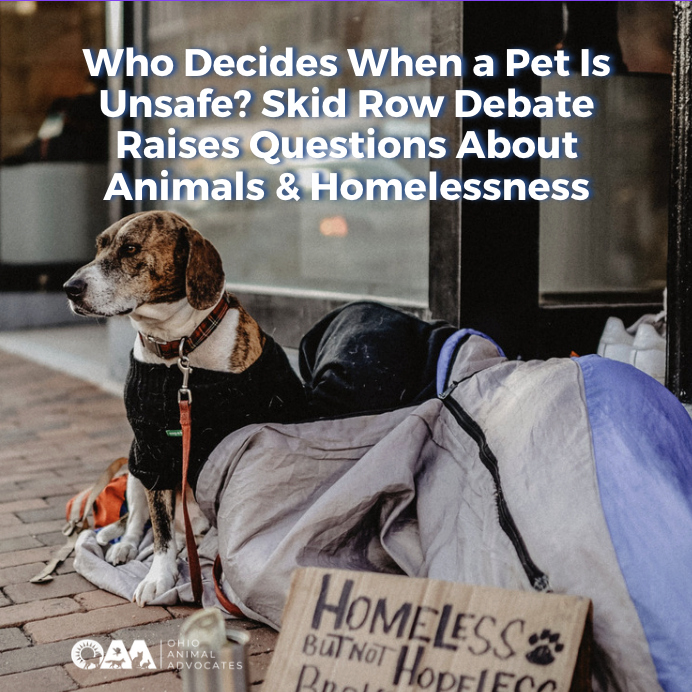
A debate in Los Angeles is raising difficult questions about animal welfare, homelessness, and how communities distinguish legitimate concerns about an animal’s well-being from assumptions based on a person’s housing status.
Recent reporting and claims from some animal advocates have raised concerns about the treatment of animals in Los Angeles’ Skid Row neighborhood. Reports have included allegations ranging from inadequate veterinary care and neglect to more serious claims of organized dog fighting and animals being given drugs.
However, My Dog Is My Home (MDIMH), a national nonprofit focused on increasing access to shelter and housing for people experiencing homelessness with companion animals, has looked into the situation and cautions that some of the most extreme allegations have not been verified. While there are animal welfare concerns in the area, MDIMH has not been able to substantiate reports of dog fighting or animals being given drugs.
The debate is also unfolding amid broader political disagreements over homelessness in Los Angeles. With local policymakers facing pressure over the city’s large unhoused population, advocates have raised concerns that reports about animals could become intertwined with efforts to remove people experiencing homelessness from public spaces. That makes it especially important to distinguish documented cases of animal neglect or cruelty from unverified claims and generalizations about unhoused pet owners.
Housing status alone does not determine whether someone is a responsible pet owner. Animal neglect and abuse can occur in housed and unhoused communities alike. In areas such as Skid Row, however, the circumstances of people and their animals are often more visible in public spaces, which can make concerns easier for members of the public to observe.
At the same time, animals deserve adequate food, shelter, medical care, and protection from neglect and abuse regardless of their guardian’s housing status. When there is evidence that an animal is being neglected or harmed, animal protection laws and appropriate intervention remain important.
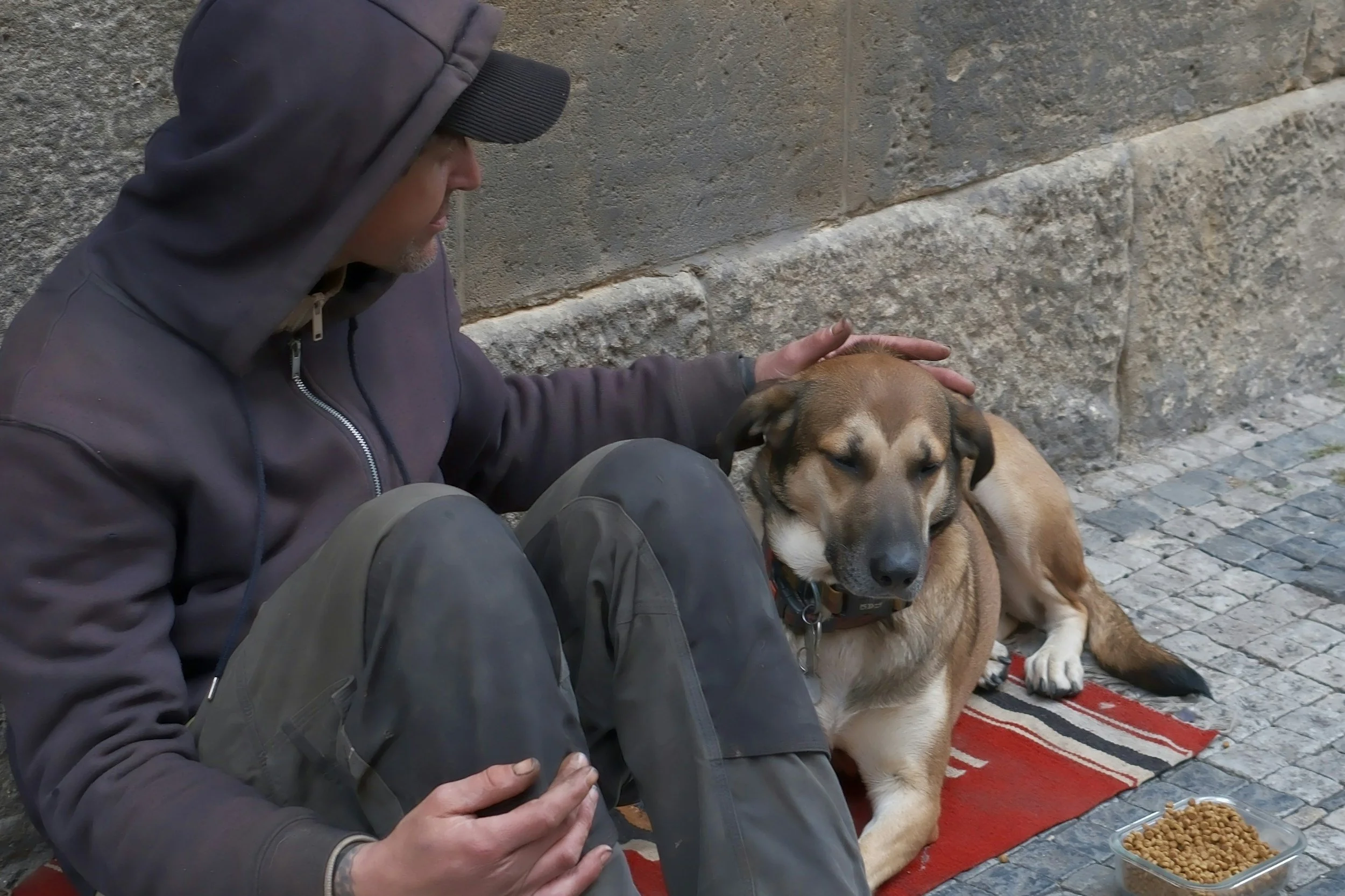
For many people experiencing homelessness, a companion animal can also be an important source of stability, connection, and support. Separating people from their pets solely because they lack housing can create additional barriers to accessing shelter and other services.
As communities work to address both homelessness and animal welfare, solutions should focus on evidence and access to resources rather than assumptions. Affordable veterinary care, pet-inclusive housing and shelters, pet food assistance, and other support can help keep people and their animals safely together while allowing animal welfare professionals to focus intervention on situations where there is evidence of neglect or cruelty.
Take Action
1. You can get involved today by completing our action alert to Support Unhoused People and Pets. By completing our action alert, you are showing your support for the the Providing for Unhoused People and Pets (PUPP) Act, which would establish a grant program for homeless shelters to access the funds they need to support clients with pets.
2. Are you experiencing homelessness or family violence and need shelter for you and your pet? Please check our Statewide Directory for resources near you.
3. Want to learn more about the Linking Animal & Family Violence and advocating for Homeless & Low-Income Pets? Visit our Advocacy pages where we provide more resources on both issues.
4. Share this update and action alert with friends and family!
5. Subscribe to our e-newsletter to receive animal welfare related news and resources in Ohio straight to your inbox.