From Thrift Store to TNR: How One Rescue Is Turning Community Support into Lifesaving Impact
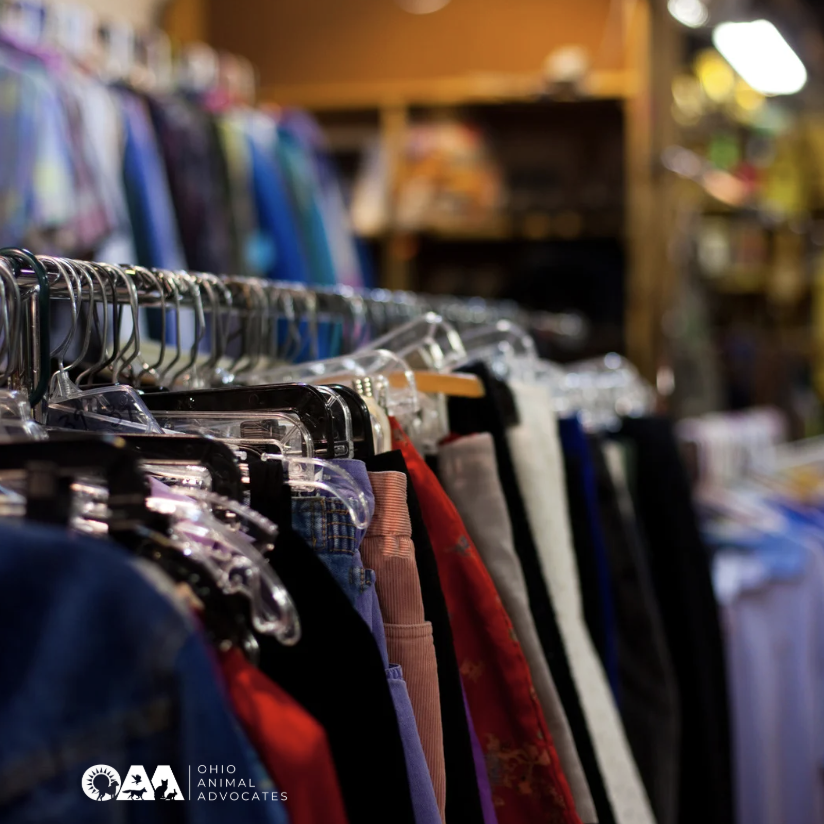
What if your old clothes, vintage finds, or unused household items could directly support lifesaving work for cats? That’s exactly what’s happening in Canton, Ohio.
In a recent conversation with Ohio Animal Advocates, Chris Riggi of Riggi Rescue and OAA’s Board Treasurer, shared how their newly launched resale shop, CLAWS (Cats’ Lives Are Worth Saving), is doing more than just raising funds. It’s building community, creating sustainability, and fueling Trap-Neuter-Return (TNR) efforts on the ground.
A Thrift Store with a Mission
CLAWS isn’t just another resale shop, it’s fully integrated into Riggi Rescue’s nonprofit model. The store was originally known as “Alter Attic,” a longtime community staple connected to animal welfare. When its founder retired, she passed the opportunity on to Riggi Rescue—recognizing their strong, community-driven approach. Today, the concept is simple but powerful:
Community members donate items
Volunteers run the store
100% of proceeds go directly to helping cats
From vintage pieces to everyday goods, every purchase supports rescue efforts.
Where the Money Goes
Unlike many traditional fundraisers, this model creates a steady, ongoing funding stream. And the impact is direct. According to Riggi, the majority of funds from the store will support:
Trap-Neuter-Return (TNR) programs
Food and care for rescued and community cats
Essential supplies like bedding, cleaning materials, and enrichment items
For a volunteer-run organization, that kind of consistency is game-changing.
Why This Model Works
Fundraising in animal welfare is hard, especially in today’s economy. Rescues often rely on:
Events
Online donations
Small-scale fundraisers
But those efforts take time, time that could otherwise be spent helping animals.
For Riggi Rescue, the resale shop offers a shift, allowing less time chasing funds and more time helping cats. As Riggi shared, the store allows their team to scale back constant event fundraising and instead focus more energy on direct impact work like TNR.
A Community-Centered Approach
Beyond funding, the store strengthens community connections. Riggi Rescue describes itself as a “boots-on-the-ground” organization, working closely with neighborhoods and intersecting issues like:
Homelessness
Domestic violence
Addiction support
While their focus remains cats, the presence of the store creates opportunities to engage, educate, and support the broader community.
And the response has been overwhelmingly positive.
From generous donations to strong local support, the shop has quickly become a welcoming space for people who want to make a difference.
Can Other Organizations Do This Too?
Short answer: yes, but with the right support. Riggi emphasized that success depends on:
Dedicated volunteers
Community buy-in
Capacity to manage operations
For organizations that can support it, resale shops offer a sustainable alternative to traditional fundraising, one that keeps resources flowing without constant outreach.
The Reality of Rescue Work
Of course, none of this comes without challenges. Running both a rescue and a retail space is time-intensive, especially for an all-volunteer team. That’s led Riggi Rescue to make strategic shifts, like focusing more heavily on TNR and scaling back some rehabilitation efforts to manage capacity.
It’s a reminder that even the most innovative models require balance.
A Critical Reminder: Take Care of Yourself, Too
One of the most important takeaways from the conversation wasn’t about funding, it was about sustainability on a human level. Animal welfare work can be emotionally and physically exhausting. Riggi emphasized the importance of self-care:
“You can’t help animals if you’re not taking care of yourself.”
Burnout is real in rescue work, and long-term impact depends on people being able to sustain their involvement.
What Gives Hope
Despite challenges, Riggi remains optimistic. Progress is happening:
Stronger animal protection laws
Growing awareness around humane treatment
Increased community engagement
Change may be slow, but it’s happening because of dedicated advocates, volunteers, and organizations working together.
Why This Matters
Models like CLAWS show what’s possible when innovation meets community. They:
Create sustainable funding streams
Strengthen local engagement
Allow rescues to focus on prevention-based solutions like TNR
And ultimately, they help more animals.
Get Involved
1. Shop and donate gently used items to CLAWS at 3124 9th St SW, Canton, OH, United States, 44710
2. Volunteer your time or skills
3. Support TNR programs in your community by taking a virtual TNR Certification Workshopand find local TNR groups on our Statewide Directory
4. Sign up for the Ohio Animal Advocates newsletter to stay informed about animal welfare updates across Ohio.