Endangered Species Act Vote Pulled After Public Outcry: What It Means for Wildlife Protections
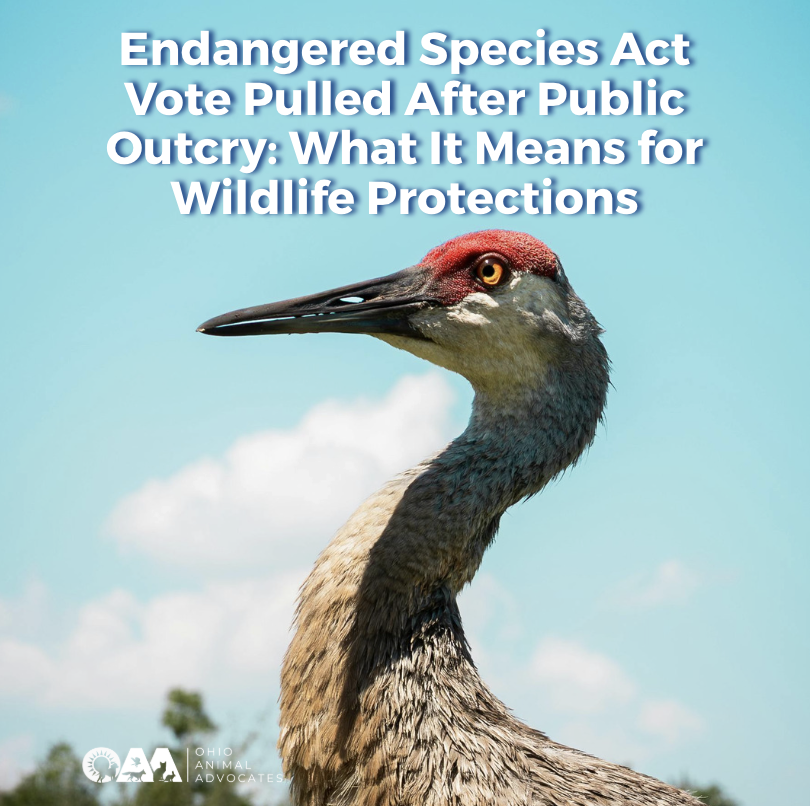
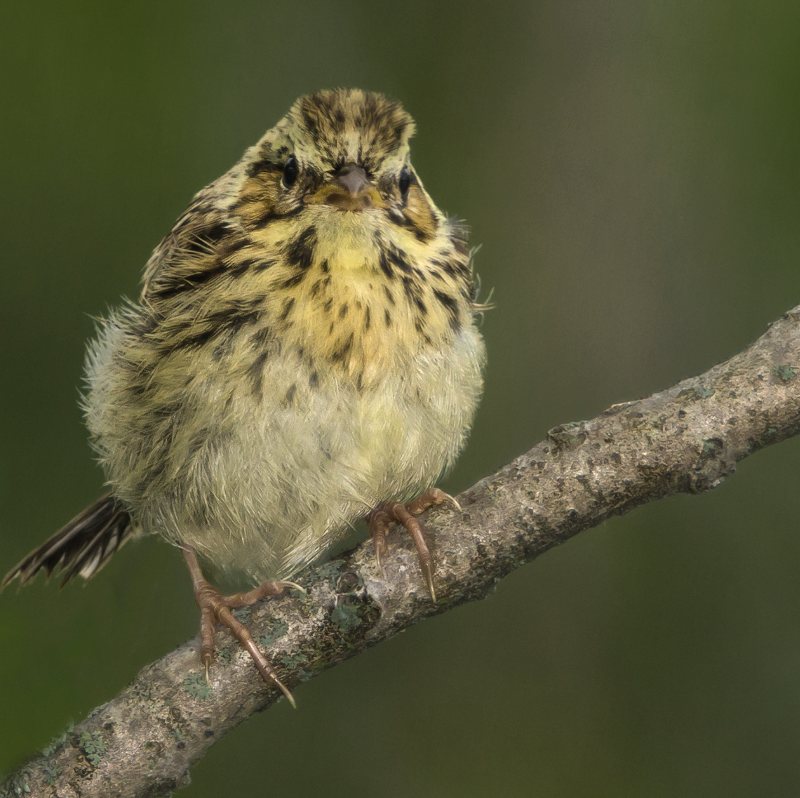
In a dramatic turn of events, a proposed bill that could have significantly weakened the Endangered Species Act (ESA) was pulled from consideration in the U.S. House of Representatives just before a scheduled vote.
The decision followed widespread opposition from lawmakers, conservation groups, and the public, highlighting the continued importance of strong federal protections for wildlife. Your efforts to contact Congress made a difference!
What Was at Stake
The ESA, passed in 1973, is one of the most important conservation laws in the United States. It protects endangered and threatened species by preserving their habitats and requiring recovery plans to restore populations.
The proposed legislation, H.R. 1897 (ESA Amendments Act of 2025), would have made several major changes, including:
Removing judicial review for species delisting decisions
Allowing states to take over management of listed species
Extending timelines for federal decisions on species protection
Requiring economic impact analyses before designating critical habitats
Expanding the authority of the so-called “God Squad,” a committee that can approve exemptions to ESA protections
Supporters argued the bill would improve efficiency and reduce litigation. However, many conservation organizations and the publicwarned it would weaken core protections and open the door to political and economic pressures overriding science-based decisions.
Why the Bill Was Pulled
The House was expected to vote on the bill this week. Instead, House Speaker Mike Johnson unexpectedly removed it from consideration. While no official explanation was given, reporting suggests that bipartisan concern, including opposition from several Republican lawmakers, played a key role in halting the vote. Conservation organizations and public outcry also contributed to stopping the effort to dismantle the ESA. For conservation advocates, this was a critical moment.
The ESA has helped prevent 99% of listed species from going extinct, making it one of the most effective wildlife protection laws in history.
Why This Matters
At its core, this debate is about more than policy. It’s about whether we continue to prioritize long-term environmental protection over short-term economic interests. Weakening the ESA could have far-reaching consequences:
Increased risk of extinction for vulnerable species
Loss of critical habitats that support entire ecosystems
Reduced accountability in conservation decision-making
Greater influence of politics over science
Protecting wildlife isn’t just about animals. It’s about preserving biodiversity, maintaining ecosystem balance, and safeguarding natural resources for future generations.
What This Means for Ohio
While the ESA is a federal law, its protections directly impact wildlife here in Ohio, from migratory birds to freshwater species and native habitats. Changes to federal protections could:
Shift conservation responsibilities to states with varying resources
Impact local ecosystems and biodiversity
Influence how wildlife policies are enforced and funded at the state level
Ohio Animal Advocates believes strong, science-based protections are essential to protecting both animals and communities. OAA also believes that when the public reaches out to Congress and other policymakers - it makes a difference.
What’s Next
The bill may have been pulled — for now — but the conversation is far from over. Legislation like this can be reintroduced, revised, or brought back at any time. Continued public awareness and advocacy are critical to ensuring that wildlife protections remain strong.
Take Action
Want to help protect wildlife and support strong conservation policies?
1. Continue to contact Congress and ask them to conserve America's Endangered Species, reach out to your State Legislators and ask them to oppose SJR 8 and HJR 1 that would amend the state constitution that would include the the right to hunt and fish, and contact the Ohio Division of Wildlife and ask them to ban wildlife killing contests. Use our prewritten Action Alerts and share your support for science-based protections of our wildlife.
2. Sign up for the Ohio Animal Advocates newsletter to stay informed about federal and state legislation impacting animals