Colorado Ends Unlimited Killing of Furbearers
By Kendall Jang, Staff Writer
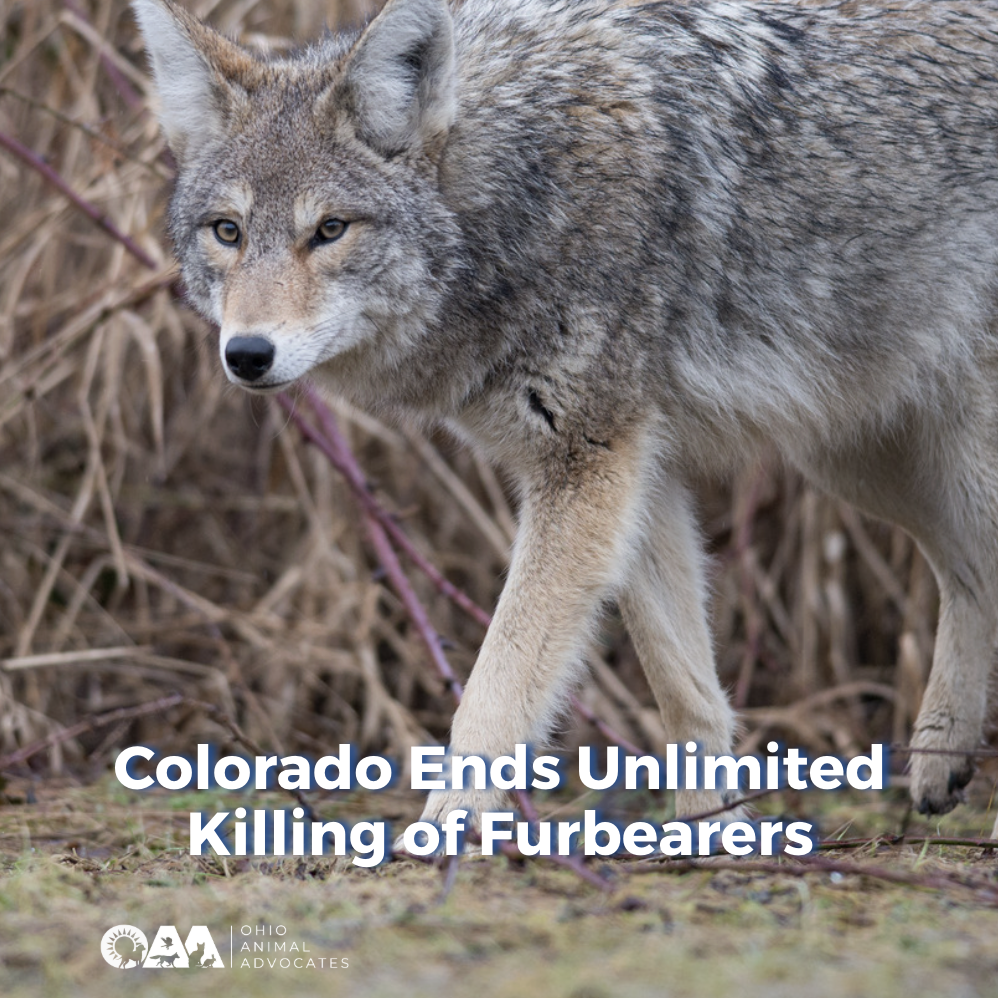
Colorado has taken a significant step toward more science-based wildlife management by ending the practice of allowing unlimited daily kills of several native furbearer species.
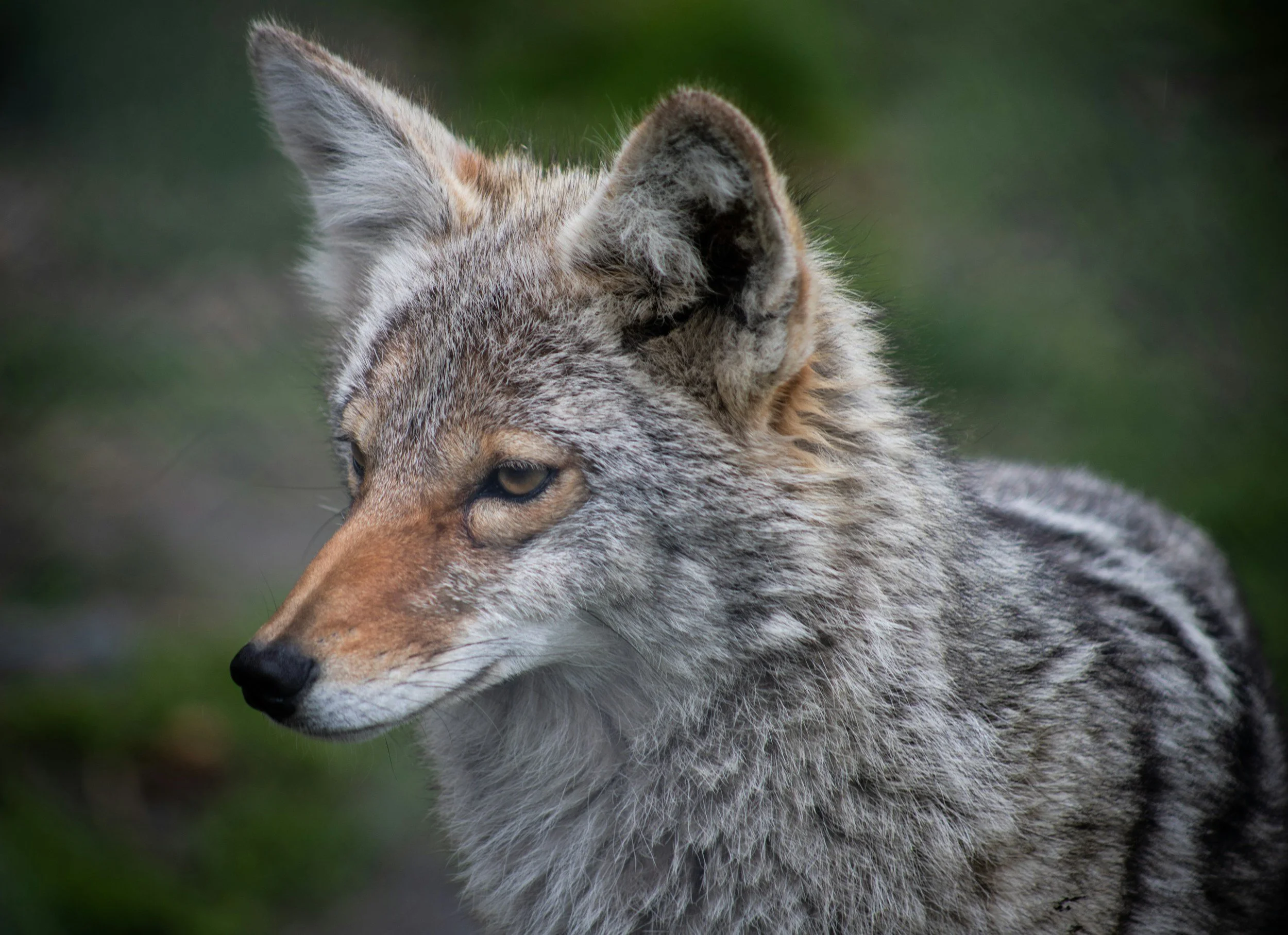
On July 16, the Colorado Parks and Wildlife Commission voted to establish a daily bag limit of two animals per species for coyotes, bobcats, foxes, badgers, and other species classified as furbearers. Previously, there was no daily limit on how many of these animals could be killed.
According to Project Coyote, the decision reflects the precautionary principle and taking steps to protect wildlife populations when scientific data is incomplete rather than maintaining policies that could contribute to population declines.
Project Coyote played a key role in advocating for the change, publishing a report that found Colorado Parks and Wildlife lacked sufficient evidence to justify the longstanding policy of unlimited killing. Commissioners referenced this information during their deliberations before approving the new limits.
While the organization applauded the vote, it also expressed disappointment that the Commission chose not to move forward with restrictions on the commercial sale of fur, which advocates say creates financial incentives for continued hunting and trapping.
Supporters of the new rule note that the two-animal daily limit is expected to have little impact on most hunters and trappers while helping reduce unnecessary wildlife mortality and allowing more animals to fulfill their important ecological roles.
Project Coyote says it will continue working with state officials and conservation partners to promote wildlife policies grounded in science, ethics, and coexistence.
As states across the country reconsider wildlife management practices, Colorado's decision represents another example of how agencies can balance recreation, conservation, and ecosystem health through evidence-based policy.
Take Action in Ohio
1. Speak out against wildlife killing contests in Ohio. Visit our Action Alerts page to use our templated letter to ask your local officials and ODNR Division of Wildlife to ban coyote/wildlife killing contests.
2. For more information on promoting and advocating for humane coexistence with Ohio’s wildlife, visit our Wildlife Protection advocacy page.
3. Share this story and action alert with friends!
4. Subscribe to our e-newsletter to receive animal welfare related news and resources in Ohio straight to your inbox.