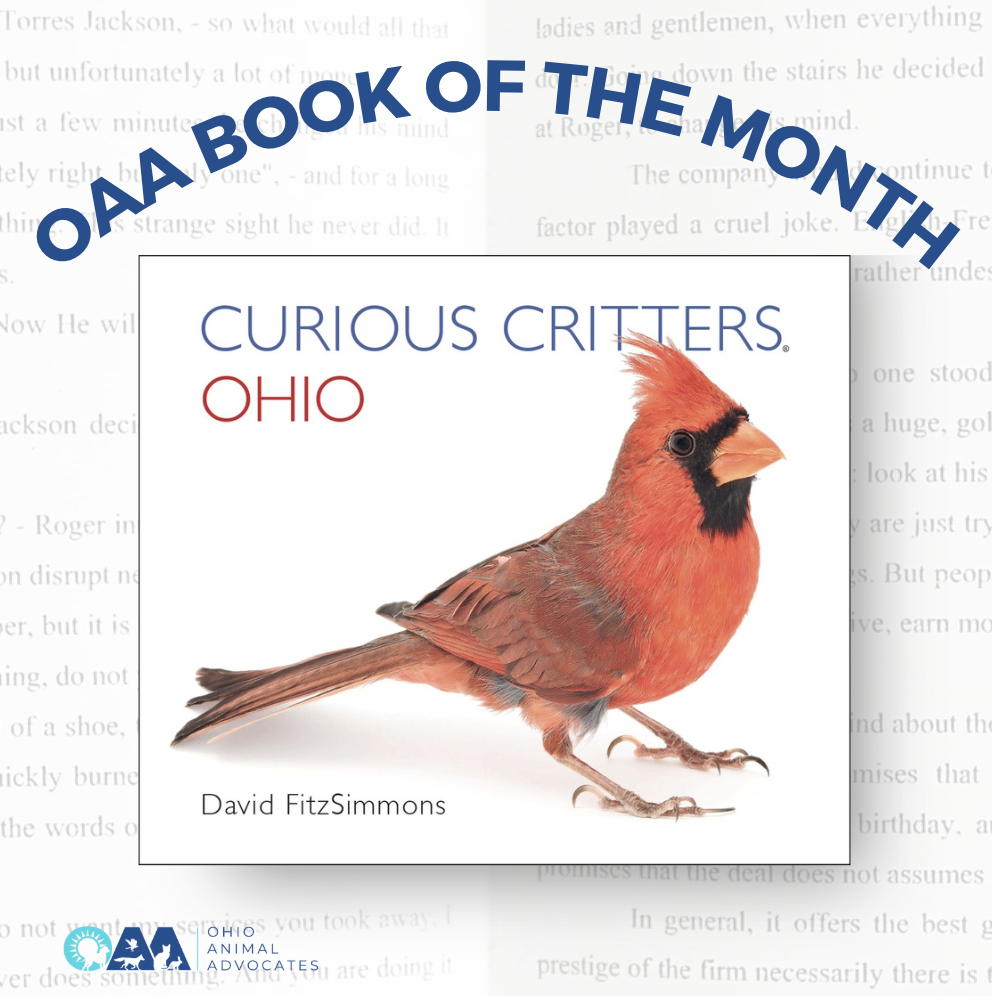
OAA Book of the Month: Curios Critters Ohio
By Erin Lawson, Operations Director
This month, OAA is highlighting a fantastic book to introduce young children (recommended for ages 0–3) to some of Ohio’s most common wildlife. Curious Critters Ohio features stunning photos of animals and engaging, simple language that encourages young nature lovers and their families to keep an eye and ear out for critters in their own backyards. From squirrels to butterflies, birds to frogs, and so much more, this charming book is sure to capture the attention of nature-loving kids — and adults, too!
Perfect for parents, teachers, nature centers, and more, Curious Critters Ohio is a wonderful way to spark a love and respect for Ohio’s native wildlife while encouraging children to spend more time outside looking, listening, and connecting with nature.
Why we love it
Curious Critters Ohio captures the attention and imagination of young readers while nurturing a lifelong appreciation for wildlife - perhaps inspiring the next generation of wildlife advocates. What makes this book even more special is that the animals featured throughout its pages were photographed with care and respect at sanctuaries and educational organizations across Ohio.
Help protect wildlife
1. Wild animals across the country are at risk from proposed changes to the Endangered Species Act (ESA). They need your help to maintain protections that have helped conserve endangered species for more than 50 years. Reach out to your legislators today and urge them to support strong protections for our nation's biodiversity. Then, share this action alert with your friends and family to help protect wildlife for generations to come.
2. For more information on promoting and advocating for humane coexistence with Ohio’s wildlife, visit our Wildlife Protection advocacy page.
3. Share this story and action alert with friends!
4. Subscribe to our e-newsletter to receive animal welfare related news and resources in Ohio straight to your inbox.