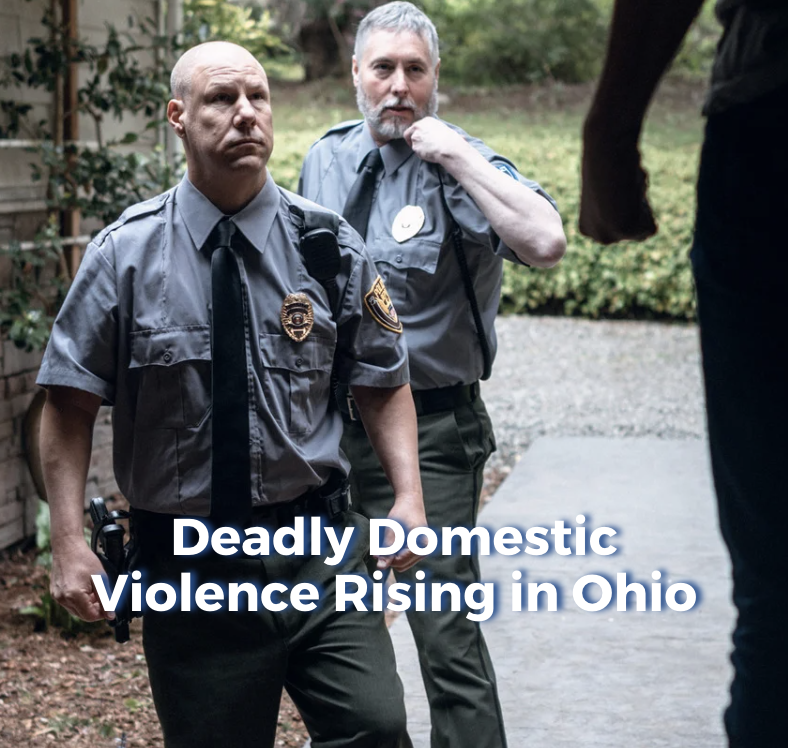

Behind every statistic about domestic violence is a real person — someone who should still be here. In Ohio, those numbers are climbing, and the trend is deeply alarming.
New data shows that domestic violence–related fatalities across the state have nearly doubled over the past decade. In 2016, Ohio recorded 81 deaths connected to domestic violence. By 2025, that number had risen to 157 — a devastating increase that reflects both systemic failures and growing risks for survivors.
A Worsening Trend, Not an Isolated Crisis
The recent arrest connected to the Weinland Park murders has brought renewed attention to the role domestic violence plays in fatal crimes. But advocates and law enforcement have been warning for years that this crisis is escalating.
According to the Ohio Domestic Violence Network, statewide fatalities increased by 37% between its two most recent annual reporting periods. These reports track deaths occurring from July 1 through June 30 each year and are released every October during Domestic Violence Awareness Month.
The data is compiled by researchers who review media coverage across the state, meaning the true number of deaths may be even higher due to underreporting or cases that receive limited public attention.
Importantly, these fatalities include:
Victims of intimate partner violence
Perpetrators, including murder-suicides
Bystanders and others present during violent incidents
Each number represents a life lost — and a ripple effect of trauma left behind.
Franklin County and Columbus See Disproportionate Impact
In Franklin County alone, 33 domestic violence–related deaths were recorded in the most recent report — the highest of any county in Ohio.
Columbus data paints an equally troubling picture. More than one-third of the city’s homicides last year were connected to domestic violence. That share has steadily increased over the past several years, signaling that domestic violence is not only a private issue, but a significant public safety concern.
Law enforcement officials note that domestic violence cases are among the most complex to address. Effective prevention requires coordinated efforts from police, advocates, service providers, and the broader community.
What the Data Reveals About Risk Factors
The most recent statewide report highlights several critical patterns:
84% of deaths involved firearms, underscoring the lethal connection between domestic violence and access to guns
Nearly half of victims were people of color, reflecting broader inequities in exposure to violence and access to support
Men accounted for more deaths overall, but were significantly more likely to be perpetrators
Just over half of perpetrators had a prior criminal history
These trends point to the need for stronger prevention strategies, earlier intervention, and policies that prioritize survivor safety.
Why This Data Matters
Advocates stress that these reports are not about numbers for numbers’ sake. They are tools meant to drive change — from stronger gun safety laws to more consistent police protocols and expanded survivor services.
Every statistic represents someone’s child, partner, friend, or neighbor. Preventing future tragedies depends on learning from this data and acting decisively.
Take Action: Help Stop Violence Before It Escalates
Domestic violence rarely exists in isolation. Research consistently shows a strong connection between child abuse, intimate partner violence, and animal abuse. When one form of violence is present, others are often occurring behind closed doors and early warning signs are frequently missed.
Take action today by responding to our Action Alert to Increase Child and Animal Abuse Detection. Your voice can help strengthen prevention, reporting, and survivor safety across Ohio.
Ohio Animal Advocates hosts The Link Between Animal and Human Violence: Fundamentals for Law Enforcement trainings to equip professionals with the tools to recognize patterns of abuse, document warning signs, and respond more effectively in the field. These trainings are designed for:
Law enforcement officers
Animal control officers
Prosecutors
Advocates and community partners
By taking action and supporting education, we can move from reacting to violence to preventing it — protecting children, animals, and families before harm occurs.
If you or someone you know is experiencing domestic violence, support is available 24/7 through the National Domestic Violence Hotline at 1-800-799-SAFE (7233). You can also text LOVEIS to 22522 or chat online at thehotline.org.
You are not alone and help can make a difference.