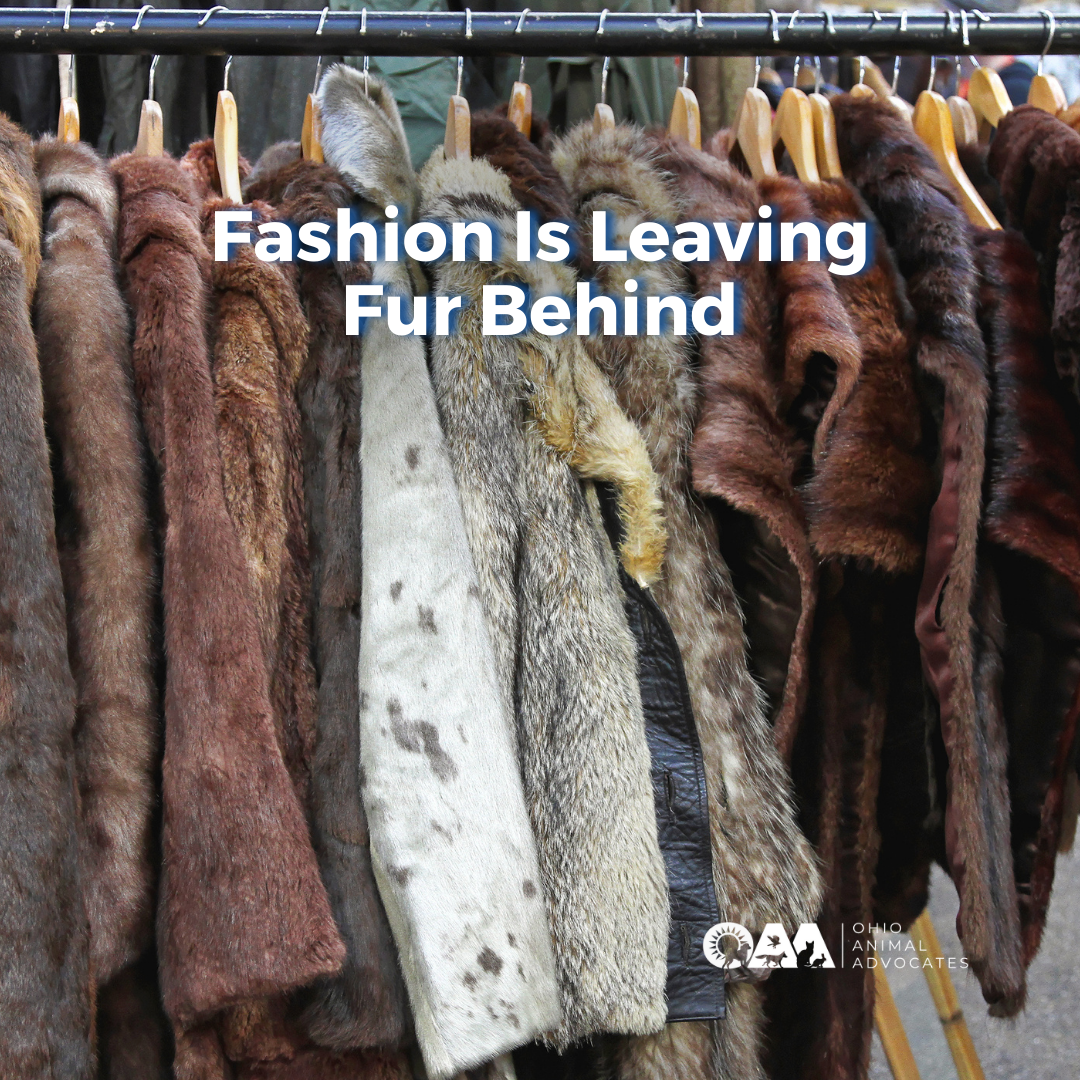
Fashion is Leaving Fur Behind
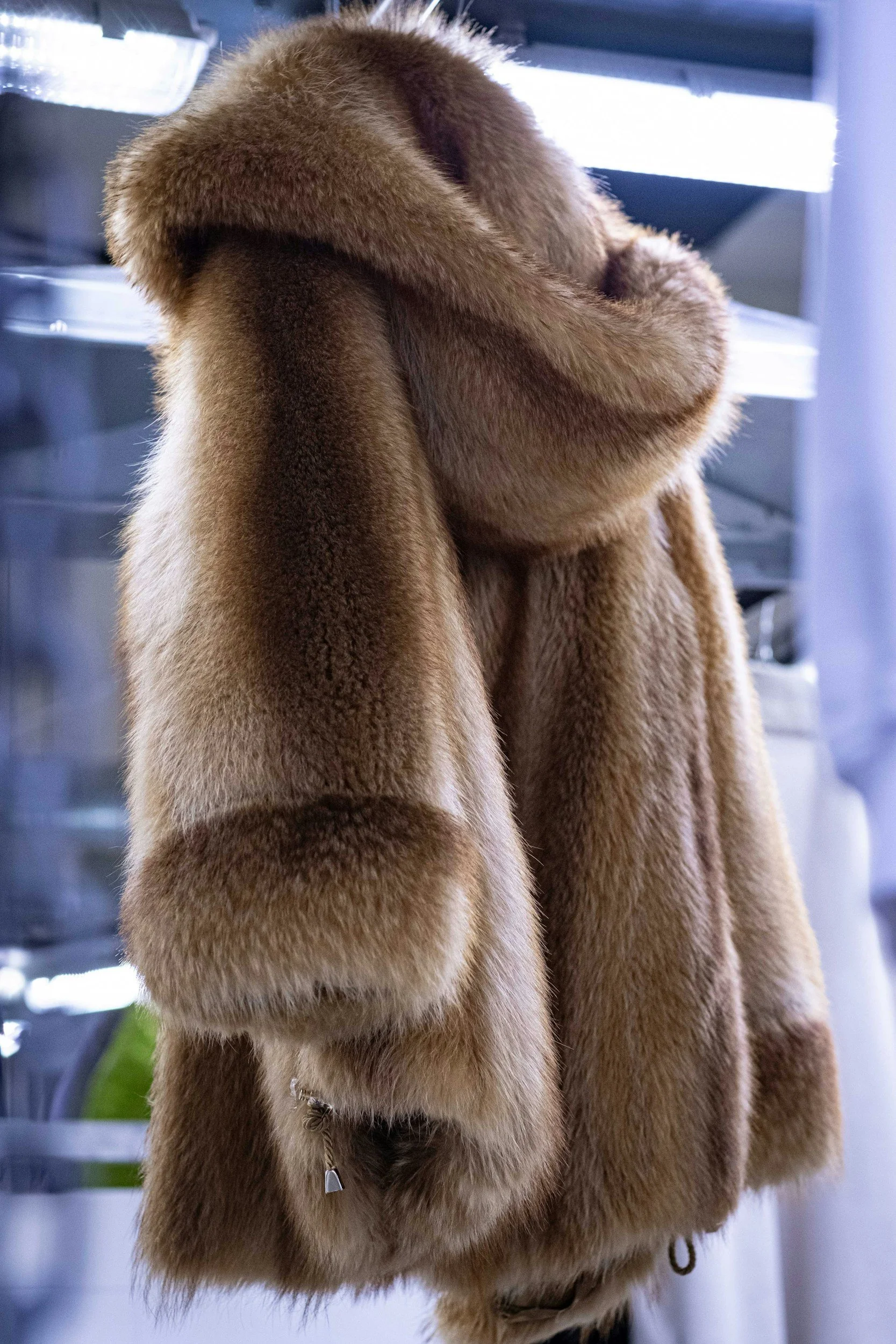
For decades, real fur symbolized glamour, wealth, and high fashion, especially in Hollywood. But in 2025, that image is rapidly unraveling.
This fall, the Council of Fashion Designers of America (CFDA) announced that beginning in September 2026, real animal fur will be banned from all CFDA-supported New York Fashion Week runways. The decision reflects growing awareness of animal cruelty in fur farming and a clear shift in consumer values toward more humane, sustainable fashion.
A Global Shift Away From Fur
New York isn’t acting alone. London Fashion Week banned real fur in 2023, Copenhagen followed in 2022, and major fashion houses like Chanel, Versace, and Jean Paul Gaultier have already walked away from fur entirely. Media giants have joined the movement as well — Condé Nast no longer features real fur in publications like Vogue and Vanity Fair.
Outside the fashion world, momentum is accelerating. In December, Poland — one of the world’s largest fur producers — signed a nationwide fur-farming ban into law. According to People for the Ethical Treatment of Animals (PETA), global fur production dropped by 60% between 2022 and 2023, a clear signal that the industry is shrinking.
Celebrities Under the Microscope
While many designers have moved on, some high-profile celebrities continue to appear in real fur, sparking backlash from fans. Social media users have publicly questioned stars like Kim Kardashian and Rihanna when they’re photographed in fur coats, often urging them to choose faux alternatives instead.
Advocates note that faux fur has advanced significantly in recent years, offering the same look without the suffering. When celebrities use their influence to choose cruelty-free fashion, it sends a powerful message, one that can shift trends far faster than legislation alone.
Why This Matters
The fashion industry has enormous cultural power. As designers, media outlets, governments, and consumers increasingly reject fur, they’re helping normalize compassion, and proving that style doesn’t have to come at the cost of animal lives.
At Ohio Animal Advocates, we see this moment as part of a broader movement: one where ethical choices become the standard, not the exception. The decline of fur shows what’s possible when public awareness, advocacy, and accountability align.
Take Action
The movement away from fur isn’t just about fashion. It’s about public health, animal welfare, and community safety. Add your voice in support of humane, science-based policies that prevent cruelty and reduce disease risk. Take action now by:
Sign our Protect Public Health and Safety by Prohibiting the Farming of Mink Fur action alert
Visit our Wildlife Protection advocacy page to learn how we promote coexistence with Ohio’s wildlife by advocating for protective policies at the state and local level and supporting conservation efforts.
Fashion is changing. And for animals, that change matters.