
News
Stay informed on all things OAA, right here or in your inbox. Sign up for e-news to receive our resources, action alerts, events, and much more!
For media information regarding OAA or interview opportunities with one of our experts, please view our Media Kit.
Sign up for e-news:
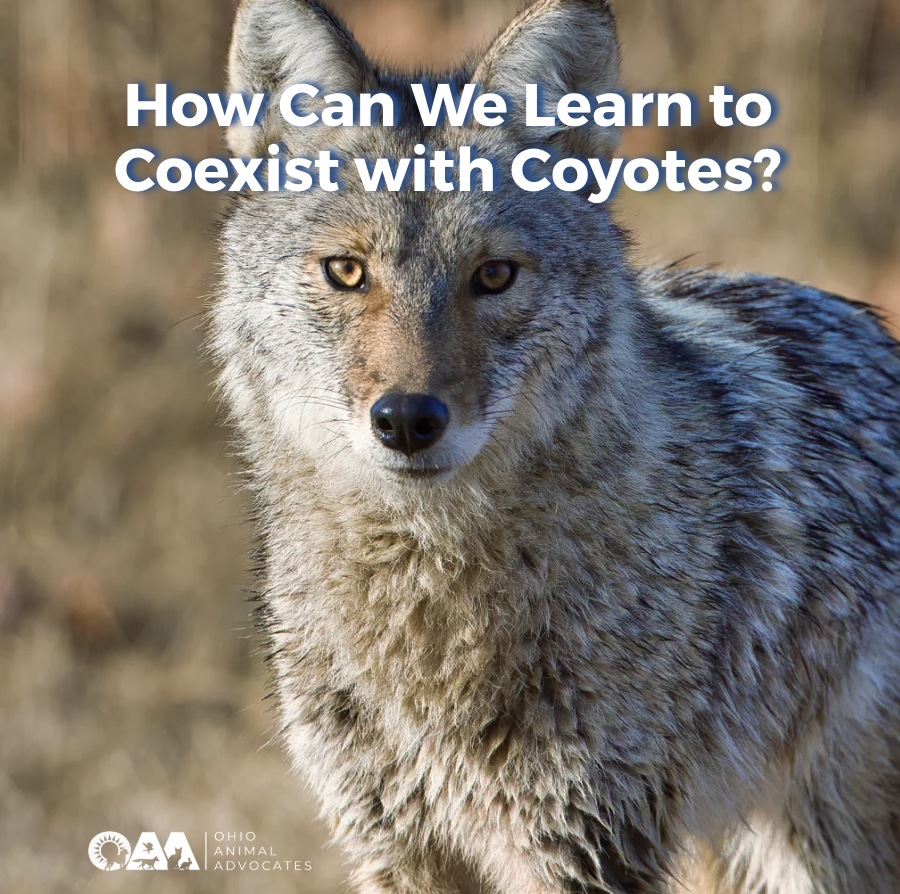
How Can We Learn to Coexist with Coyotes?
Coyotes get a bad rap. According to Project Coyote, wild carnivores are some of the most persecuted species in the United States. These animals, which play an integral role in natural ecosystems, try their best to avoid humans. Yet, they can be lured into urban environments by unintentional feeding and increased urban and rural expansion into wildlife habitats.
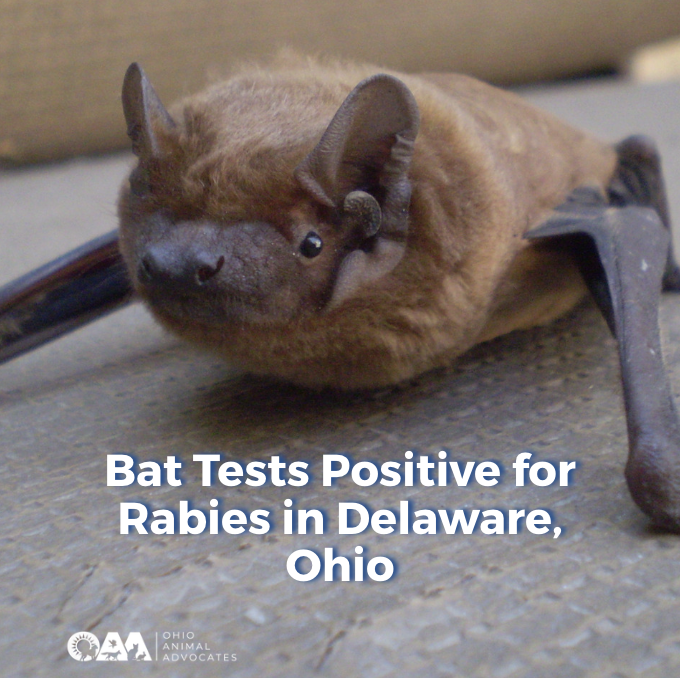
Bat Tests Positive for Rabies in Delaware, Ohio
The Delaware Public Health District confirmed a bat in the City of Delaware, Ohio, tested positive for rabies, prompting a reminder for residents to take precautions to protect themselves and their pets. Rabies is a viral disease that affects the central nervous system of mammals, including humans, dogs, cats, and wildlife. The virus is typically transmitted through the bite of an infected animal.

Bird Flu Outbreak at Utah Mink Farm Raises Animal Welfare and Public Health Concerns
A bird flu outbreak at a Utah mink farm is raising concerns about animal welfare, disease prevention, and the potential risks to human health. According to a September 27 report from The Salt Lake Tribune, a mink farm in Salt Lake County is experiencing the first documented outbreak of bird flu in captive mink in the United States.

Constitutional Right to Hunt and Fish Stalled; A Win for Ohio’s Wildlife
A proposal to add a constitutional right to hunt, fish, and harvest wildlife to the Ohio Constitution has stalled in the Ohio General Assembly. For advocates, this is an important win for Ohio’s wildlife and science-based wildlife management.

Investigation Raises Concerns Over Fate of Federally Protected Wild Horses
A recent investigation by The New York Times has raised concerns that some federally protected wild horses may be entering the slaughter pipeline after being sold by the U.S. Bureau of Land Management (BLM). The Times, which investigated government records, livestock inspection records and individual horse sales to trace what happens to some mustangs after they leave federal custody.

OAA Book of the Month - Animals Make Us Human: Creating the Best Life for Animals
This month, Ohio Animal Advocates is highlighting a book that is perfect to acknowledge Wellness Month which is observed every August. Wellness is important for all creatures, and author Temple Grandin delves into this and more in Animals Make Us Human: Creating the Best Life for Animals. This book is written for high school/college readers and older as it deals with more complex and potentially heavy topics.

New Research Suggests Primates May Share Our Instinct to Care for Other Animals
Humans may not be the only primates drawn to caring for animals of another species. A new study highlighted by The New York Times examined 427 interactions across 88 primate species, finding behaviors that resemble some of the building blocks of human pet-keeping. Monkeys and apes were observed playing with, grooming, carrying, and even caring for animals of other species.

AI Is Helping Scientists Study Wild Monkeys Without Taking Them Out of the Forest
Artificial intelligence is opening new doors in wildlife research, and one team of scientists is using it to better understand how wild monkeys think. Researchers from Emory University recently introduced CapuchinAI, a portable testing station that combines a touchscreen, facial recognition software, and an automated food dispenser.

OAA Book of the Month: Curios Critters Ohio
This month, OAA is highlighting a fantastic book to introduce young children (recommended for ages 0–3) to some of Ohio’s most common wildlife. Curious Critters Ohio features stunning photos of animals and engaging, simple language that encourages young nature lovers and their families to keep an eye and ear out for critters in their own backyards.

Colorado Ends Unlimited Killing of Furbearers
Colorado has taken a significant step toward more science-based wildlife management by ending the practice of allowing unlimited daily kills of several native furbearer species. On July 16, the Colorado Parks and Wildlife Commission voted to establish a daily bag limit of two animals per species for coyotes, bobcats, foxes, badgers, and other species classified as furbearers.

China Expands Wildlife Protection While the U.S. Weakens Habitat Safeguards
China has announced a nationwide campaign to combat illegal bird and wildlife hunting, targeting poaching, illegal wildlife trade, and organized trafficking networks through the end of 2026. The effort includes stronger enforcement against crimes involving migratory birds, cross-border cooperation, and continued investments in biodiversity conservation.

Endangered Species Act Protections Under Threat
A newly finalized federal rule removes the long-standing regulatory definition that recognized certain habitat destruction as "harm" under the Endangered Species Act (ESA). That definition helped protect endangered species by recognizing that destroying nesting sites, wetlands, forests, and other essential habitat can injure or kill wildlife, even when the harm isn't immediate or direct.
“We can change the world and make it a better place. It is in your hands to make a difference.”
— Nelson Mandela
