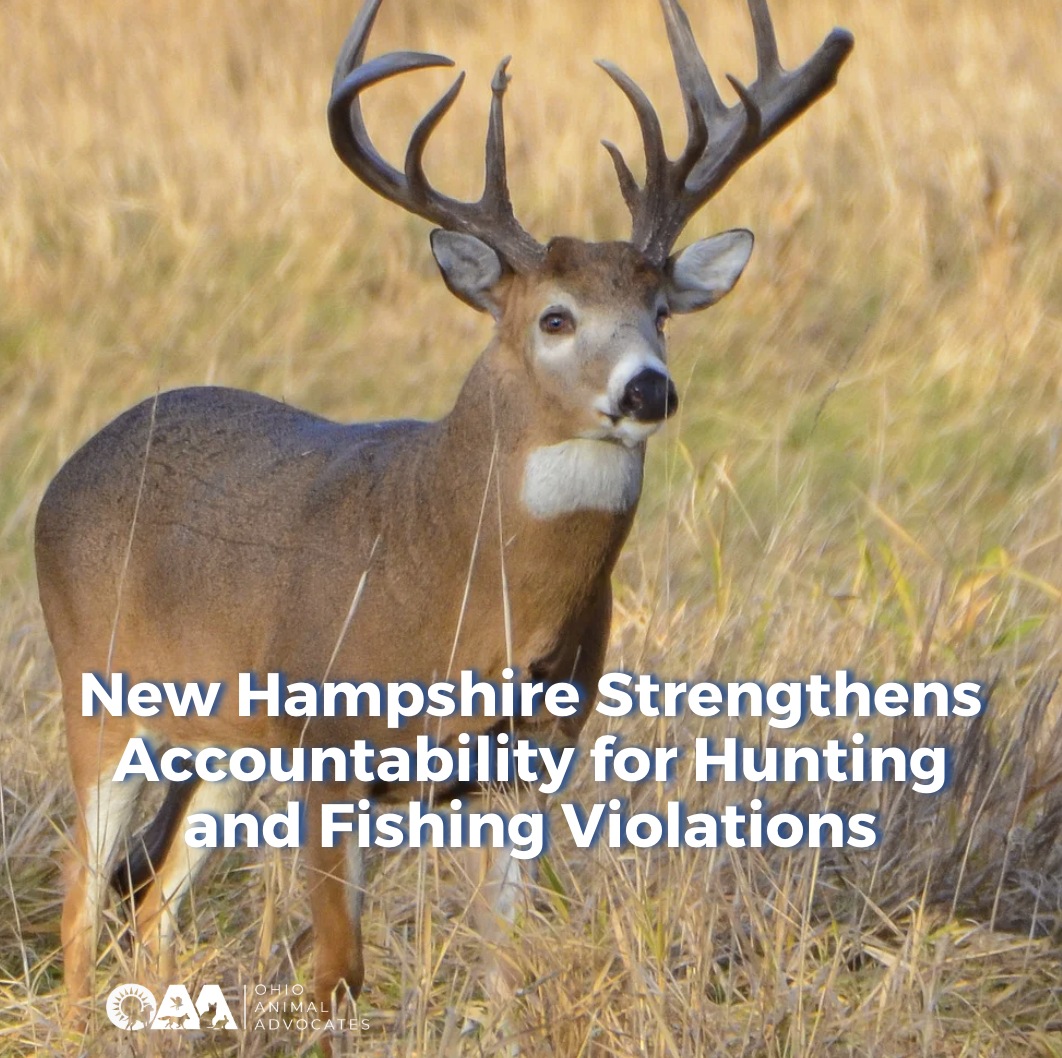
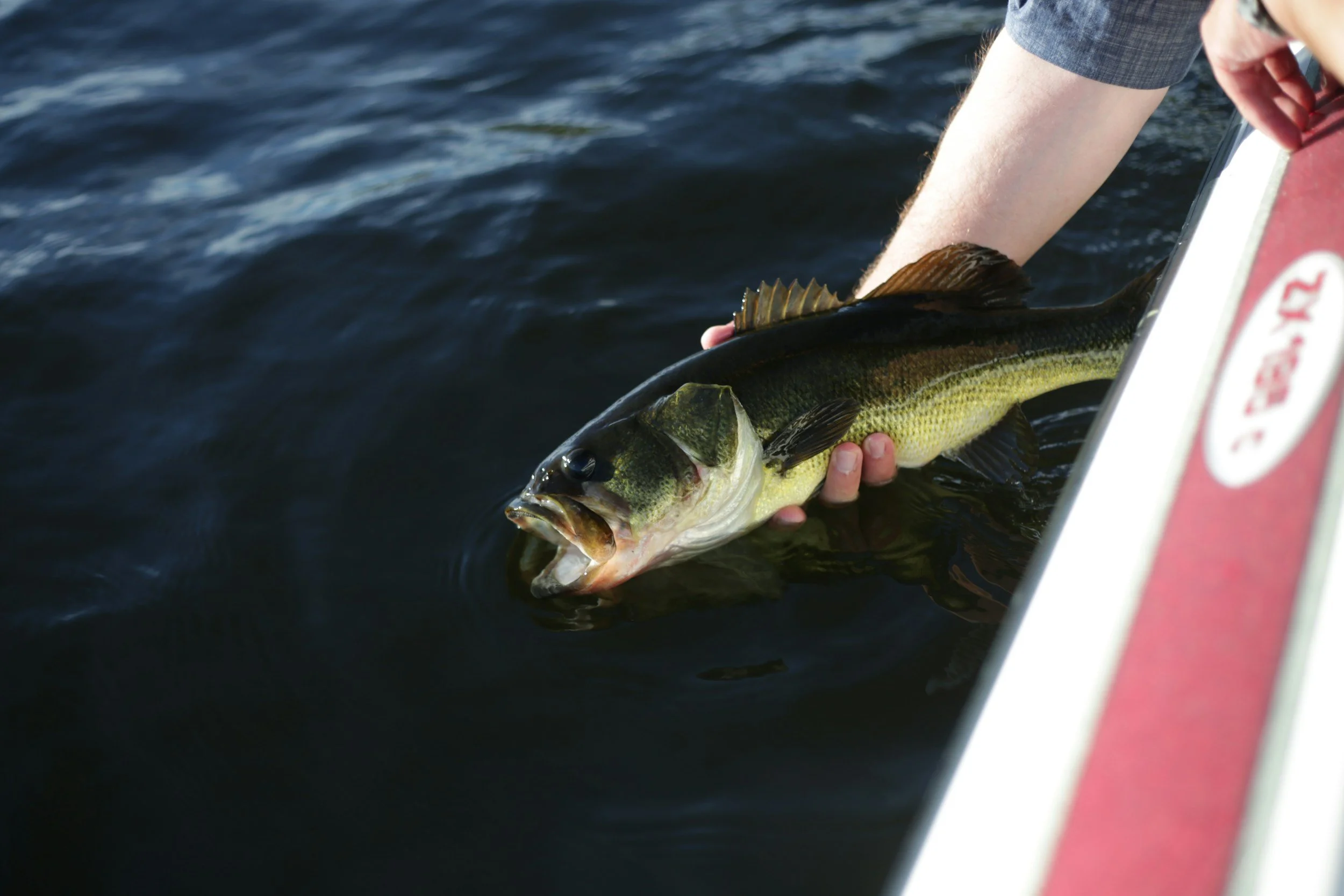
New Hampshire has taken an important step toward stronger wildlife protection and accountability.
Governor Kelly Ayotte recently signed House Bill 655 into law, increasing penalties for hunting and fishing violations across the state. The legislation reflects a growing recognition that wildlife laws are only meaningful when they are enforceable—and that repeat violations require serious consequences.
Among its key provisions, House Bill 655 increases restitution for the illegal taking or possession of certain animals and makes that restitution mandatory. This change acknowledges that wildlife crimes cause real harm—not only to individual animals, but to ecosystems and public trust. Mandatory restitution ensures that violations are no longer treated as minor infractions or “the cost of doing business” for bad actors.
The law also establishes a Class A misdemeanor penalty for a third offense involving fish and game violations that already carry license suspension penalties. This escalation sends a clear message: repeated disregard for wildlife laws will not be tolerated. By strengthening penalties for habitual offenders, New Hampshire is reinforcing the idea that compliance is not optional—and that wildlife protection requires accountability.
In addition, the legislation addresses reciprocity concerns by restricting the taking of Atlantic menhaden by nonresidents from states that do not extend reciprocal fishing privileges to New Hampshire residents. While technical in nature, this provision highlights the role of fairness and consistency in wildlife management across state lines.
Together, these changes reflect a broader shift toward treating wildlife crimes with the seriousness they deserve. Stronger penalties help deter abuse, support ethical outdoor practices, and affirm that wildlife belongs to the public—not to those who exploit loopholes or ignore the law.
As debates continue nationwide over wildlife policy, enforcement, and so-called “rights” that risk weakening protections, New Hampshire’s approach offers an important reminder: conservation depends on accountability, science-based management, and respect for living beings.
Take Action: Protect Wildlife Beyond One State
Progress in one state matters—but wildlife protections everywhere depend on public engagement.
Oppose the “Right to Hunt” Amendment and speak out against efforts that could undermine wildlife protections and responsible management.
Speak Out Against Wildlife Killing Contests, which promote cruelty and disregard ecological balance.
Visit our Wildlife Protection advocacy page to learn how Ohio Animal Advocates is working to defend wildlife through policy, education, and action.
Sign up for our newsletter to receive action alerts and updates delivered straight to your inbox. Staying informed and taking action are essential steps in protecting wildlife—for today and for generations to come.