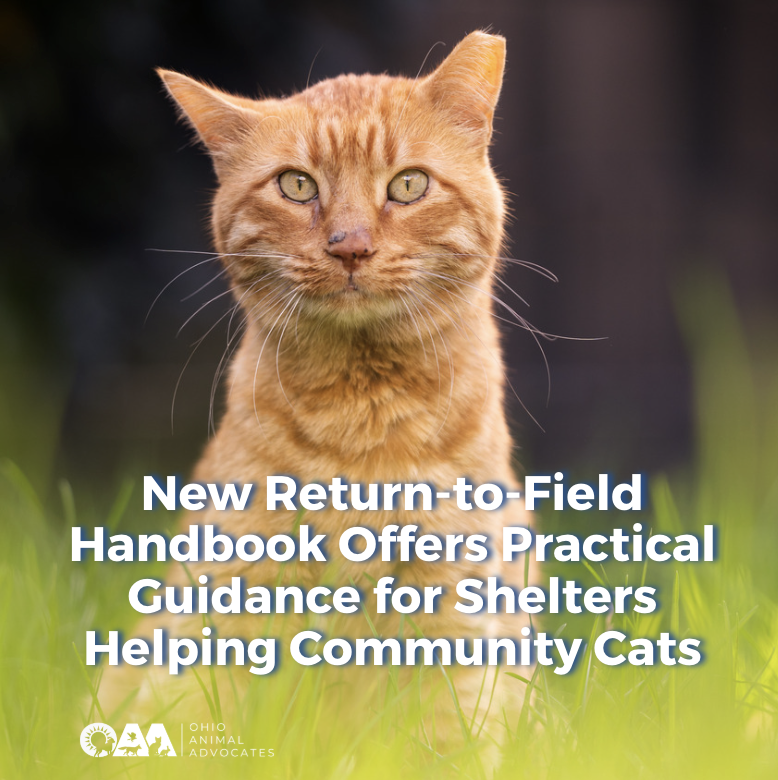

Animal shelters across the country are continually seeking effective, humane ways to help cats while making the best use of limited resources. A newly updated Return-to-Field Handbook from Humane World for Animals, Neighborhood Cats, and Alley Cat Advocates provides a comprehensive roadmap for shelters looking to improve outcomes for community cats through return-to-field programs.
Return-to-field (RTF), sometimes called shelter-neuter-return, is a practice in which healthy stray cats entering a shelter are sterilized, vaccinated, ear-tipped, and returned to the location where they were found. The approach recognizes that many community cats are already successfully living outdoors and may experience unnecessary stress, illness, or even death when housed in shelters for extended periods.
Over the past decade, return-to-field programs have become an increasingly important tool for animal shelters and animal control agencies. Research and real-world experience have shown that these programs can reduce shelter overcrowding, lower euthanasia rates, and improve overall outcomes for cats while maintaining positive relationships with the public.
The newly revised second edition of the Return-to-Field Handbook is designed to help shelters establish or strengthen their own programs. The guide walks readers through each stage of the process, including intake procedures, gathering information about cats and their locations, coordinating spay/neuter services, managing returns, and communicating effectively with community members.
For organizations that are new to return-to-field, the handbook offers practical protocols and step-by-step guidance. For shelters with existing programs, it provides updated best practices and opportunities to refine operations.
Return-to-field is part of a broader shift in animal welfare toward recognizing that shelters are not always the best outcome for every cat. Healthy community cats often have established territories, access to food sources, and caregivers who look out for them. Returning these cats to their outdoor homes after sterilization helps prevent future litters while allowing them to continue living in the environment they know.
As communities continue searching for sustainable solutions to cat overpopulation, resources like the Return-to-Field Handbook can help shelters implement evidence-based strategies that save lives and support both cats and the people who care about them.
The handbook is available as a free download through HumanePro and can serve as a valuable resource for shelters, animal control agencies, rescue organizations, veterinarians, and advocates interested in improving outcomes for community cats.
Take Action
If your local shelter does not currently have a return-to-field program, consider asking whether one could be implemented. Community cat programs that incorporate spay/neuter and return-to-field strategies can help reduce shelter admissions, improve live outcomes, and create more humane solutions for cats living outdoors.
1. Download the Return-to-Field Handbook from Neighborhood Cats and Alley Cat Advocates.
2. To learn more about community cats, visit OAA’s Community Cat advocacy page.
3. Subscribe to our e-newsletter to receive animal welfare related news and resources in Ohio straight to your inbox.