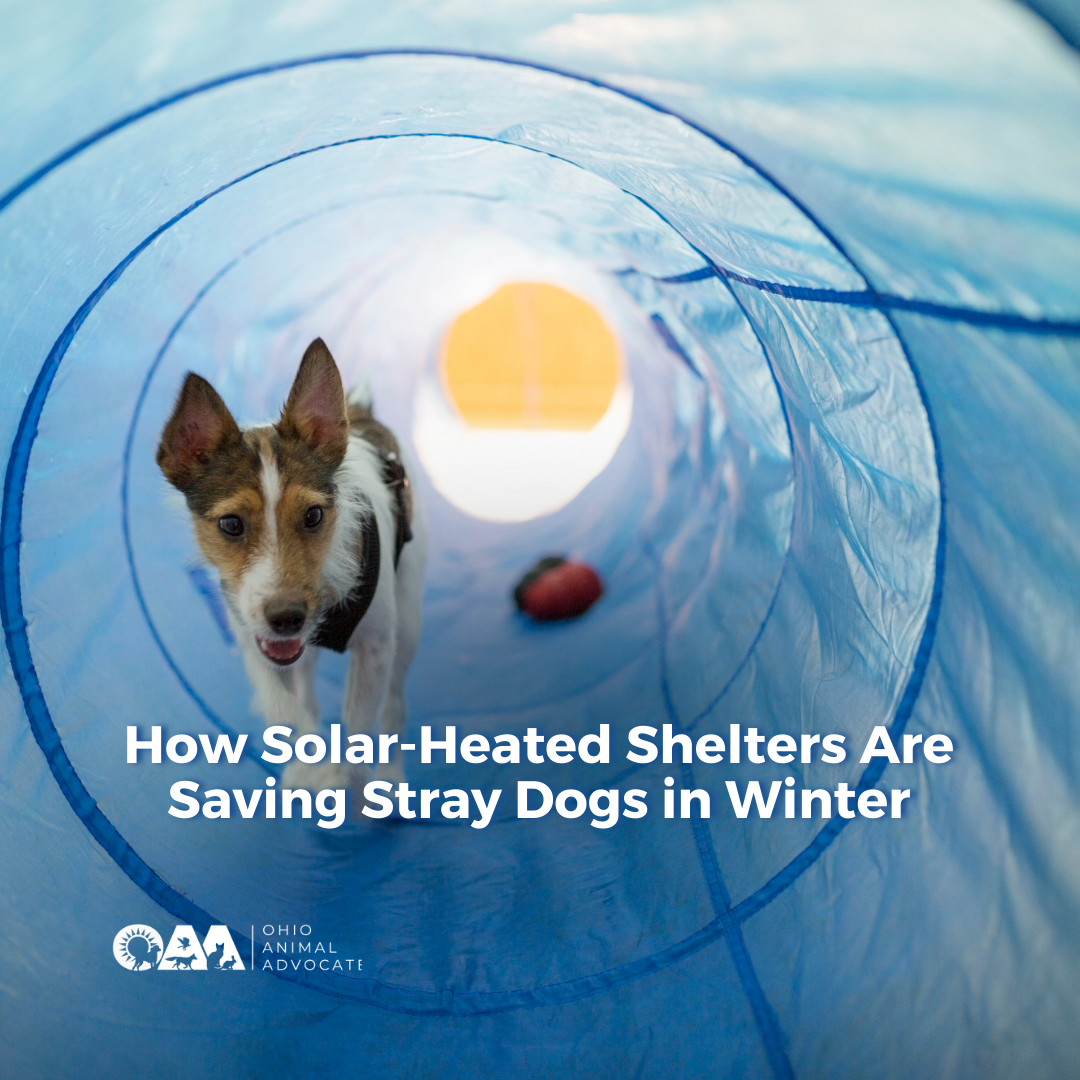

Winter can be deadly for stray and homeless dogs. Freezing temperatures, lack of shelter, hunger, and exhaustion combine into a dangerous reality that claims countless lives each year. In parts of Europe, that reality has sparked a powerful innovation — one that blends compassion, sustainability, and smart design.
In Hungary, animal advocates and local communities are deploying solar-heated tunnel shelters to help stray dogs survive the harsh winter months. The results are offering hope far beyond Hungary’s borders.
A Simple Idea With Life-Saving Impact
The concept behind the shelters is straightforward: create enclosed, insulated tunnels that absorb heat from the sun during the day and retain warmth overnight. These cylindrical shelters require no electricity, are made from affordable materials, and are designed to withstand wind, snow, and freezing temperatures.
Key features include:
Transparent surfaces that trap solar heat
Insulated walls and dry bedding to retain warmth
Elevated flooring to prevent moisture and ice buildup
Open entry and exit points so animals are never trapped
Even during severe cold snaps, the tunnels remain significantly warmer than the surrounding air — often enough to prevent hypothermia and frostbite.
Why Winter Shelter Matters
For stray dogs, winter is often the most dangerous season. Malnutrition and fatigue make it harder to regulate body temperature, and exposure can become fatal in just hours. Veterinarians and rescue workers emphasize that access to even basic shelter dramatically increases survival rates.
Beyond physical protection, shelter provides something less visible but just as important: a sense of safety. Dogs using the tunnels sleep longer, show reduced stress, and are more likely to remain in stable areas where rescue groups can monitor and assist them.
Community-Powered Compassion
One of the most powerful aspects of Hungary’s program is community involvement. Local residents help place, maintain, and monitor the shelters. Children learn about animal welfare through real-world examples, and neighbors take pride in protecting vulnerable animals in their area.
What began as an emergency response has become a symbol of shared responsibility.
A Model for the Future
Solar-heated shelters are not a replacement for long-term solutions like spay-and-neuter programs, adoption, and responsible guardianship — but they are a critical harm-reduction tool. They buy time. They save lives.
Animal advocates believe this model could be adapted for:
Other countries with cold winters and large stray populations
Community cats and other outdoor animals
Remote or under-resourced areas without access to electricity
The lesson is clear: innovation doesn’t always require complex systems or massive budgets. Sometimes, it requires empathy, creativity, and a willingness to act.
Why This Matters to Us
At Ohio Animal Advocates, we believe protecting animals means supporting both immediate care and long-term prevention. Hungary’s solar shelters remind us that humane solutions can be practical, sustainable, and deeply impactful — especially when communities work together.
Take Action
Help protect unhoused pets and people by signing our Support Unhoused People and Pets action alert.
Review our Adequate Shelter advocacy page for more resources.
As winters grow more unpredictable and extreme, models like this show what’s possible when compassion leads the way.
Source: IFEG.info