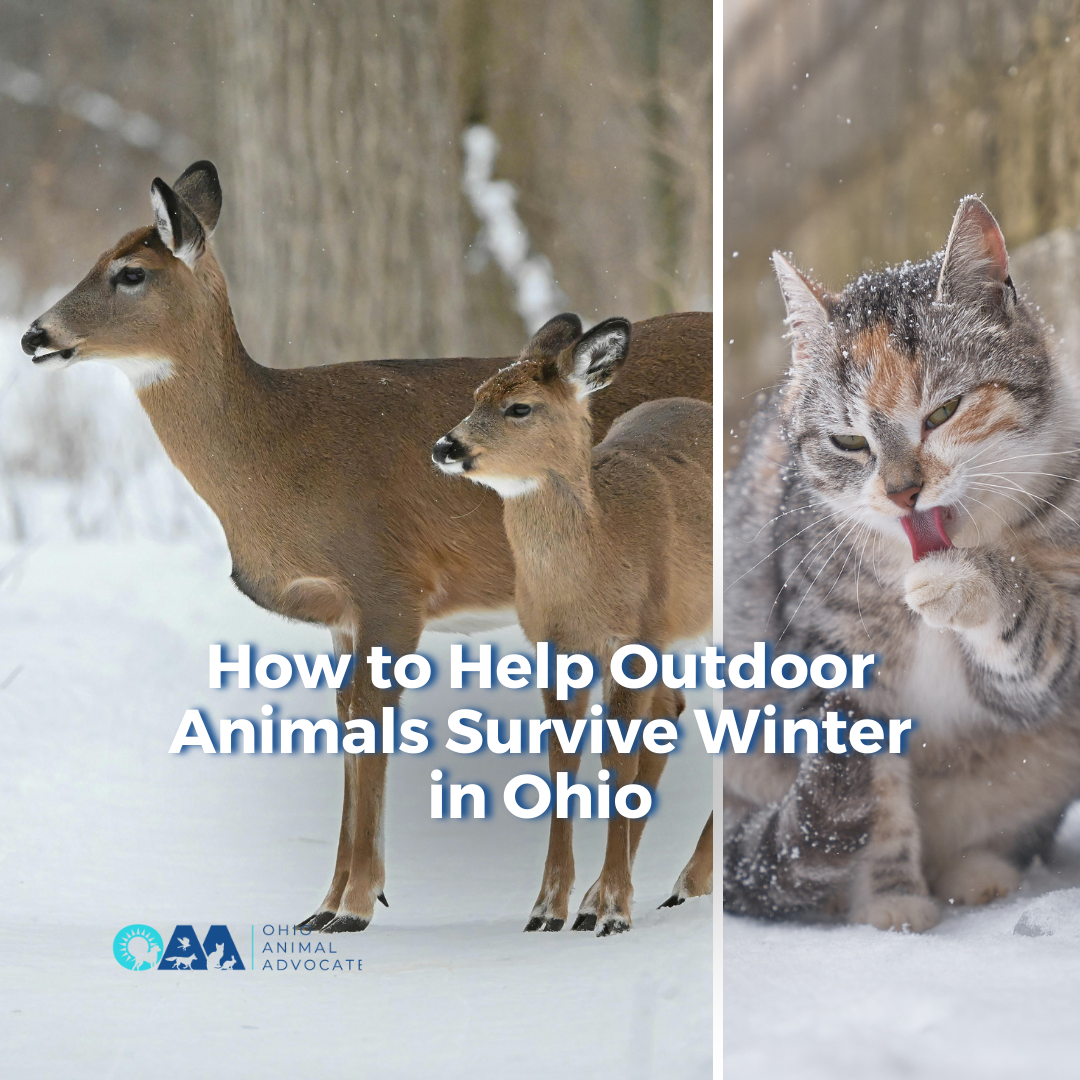
Winter in Ohio can be brutal, not just for people, but for outdoor animals who don’t have warm homes to retreat to. Community cats, birds, squirrels, and other wildlife rely on the kindness and awareness of neighbors to help them make it through freezing temperatures safely.
The good news? Small, thoughtful actions can make a big difference.
Helping Outdoor and Community Cats
Outdoor cats are especially vulnerable in winter, and shelter is critical. According to Ohio Wildlife Rehabilitators Association, effective shelters don’t need to be expensive — they just need to be dry, insulated, and protected from wind.
Shelter tips:
Use straw (not blankets or towels), which repels moisture and provides insulation.
Cardboard boxes can work in covered, dry areas like barns or porches.
Plastic tubs or Styrofoam containers lined with insulation are great DIY options when placed in protected locations.
Position shelter openings away from prevailing winds (typically west to east).
Elevate shelters slightly to prevent flooding.
If multiple cats are present, provide multiple shelters spaced apart to reduce stress and conflict.
Food and Water Matter More Than Ever
Staying warm burns a lot of energy, so winter calories are essential.
Best practices:
Offer dry food in a sheltered area to prevent freezing and spoilage.
Provide fresh water daily; heated bowls can prevent ice buildup.
Expect other animals — raccoons and opossums may stop by too. They’re cold and hungry as well.
Opossums, in particular, are vulnerable to frostbite and play an important role in controlling ticks and pests.
Caring for Backyard Wildlife
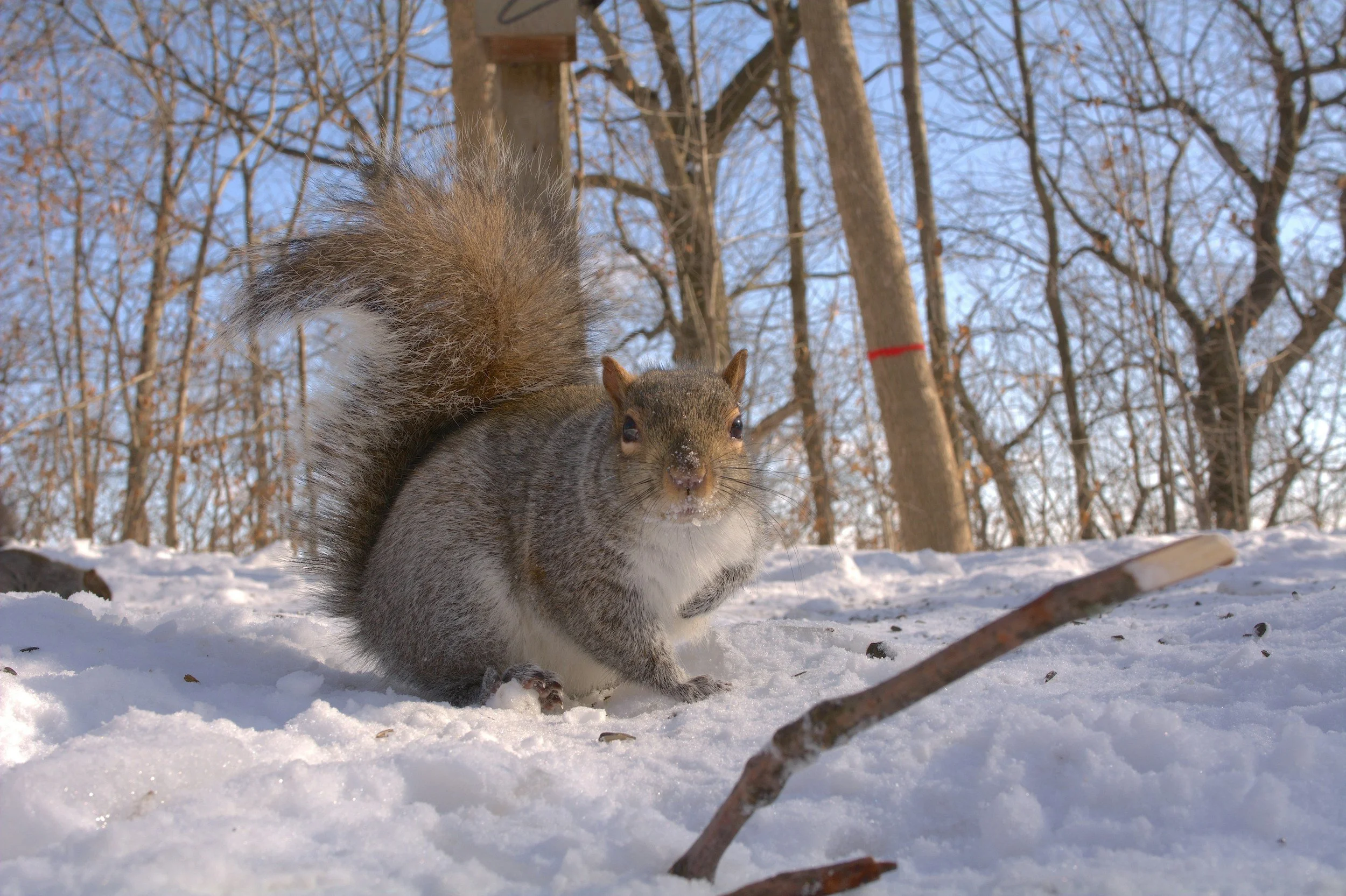
Many wild animals remain active all winter and need support when food is scarce.
For squirrels and small mammals:
Offer nuts like walnuts, pecans, or almonds.
Dried corn can also help during food shortages.
For birds:
Clean bird feeders regularly to prevent disease.
Feed high-fat foods like black-oil sunflower seed chips and suet.
Provide ice-free water — heated bird baths are especially helpful.
Experts with the National Wildlife Federation emphasize that access to clean water is just as important as food during freezing months.
Waterfowl Need the Right Kind of Help
If you live near ponds or lakes, cracked corn and waterfowl pellets are appropriate for ducks and geese. Avoid feeding bread. It offers no nutrition and can cause serious health issues and deformities.
Your Yard Is a Winter Habitat
Winter wildlife support starts at home.
Leave fallen leaves, they shelter insects and enrich soil.
Keep native plants standing to provide food for birds that don’t eat seeds.
Choose native trees and shrubs like dogwood, serviceberry, and crabapple to support birds year-round.
What may look messy to us can be lifesaving habitat for animals.
Learn More and Get Involved
Visit our Community Cats and Wildlife Protection advocacy pages to explore how Ohio Animal Advocates promotes humane, science-based solutions that protect animals, people, and ecosystems across our state.
Helping outdoor animals through winter doesn’t require perfection, just compassion and consistency. Whether it’s setting out straw-filled shelters, keeping water thawed, or planting native species, each step helps animals survive the cold months ahead.