Winter TNR: How to Trap Safely When Temperatures Drop
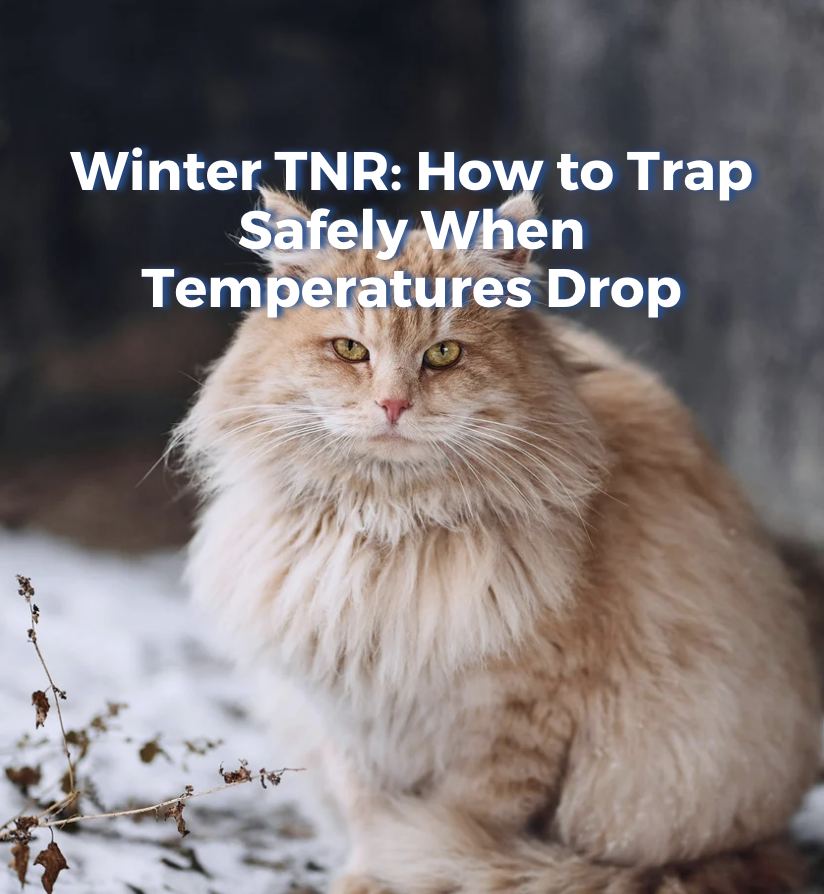
Cold weather doesn’t mean Trap-Neuter-Return has to stop. With the right preparation, winter can be a safe and effective time to continue helping community cats—often with fewer complications than during warmer months.
If you’re planning TNR during winter, a few thoughtful adjustments can make all the difference for the cats’ comfort and safety.
Start With Warm, Weather-Ready Shelter
After surgery, cats—especially females—are more vulnerable to the cold. Before trapping begins, take time to prepare their environment.
Refresh existing shelters by removing damp or compressed straw and replacing it with clean, dry straw. Avoid hay, blankets, or fabric bedding, which trap moisture and can actually make cats colder. Straw allows cats to burrow and retain body heat.
Pay attention to wind exposure. Position shelters so openings face away from strong winds, or place shelters close together with entrances angled toward each other to reduce drafts. If you’re adding new shelters and aren’t sure where cats typically sleep, set them out several days ahead of trapping so the cats can adjust.
Adjust Food and Trap Setup for Cold Temperatures
Freezing weather changes how food behaves—and how cats respond to it.
Using warm, aromatic food can help draw cats into traps more quickly. Choose sturdy, insulating dishes like plastic rather than metal. Since food can freeze faster than expected, adding dry food or catnip gives cats something appealing even if temperatures drop.
To slow freezing and protect trapped cats, never place traps directly on snow or ice. Set traps on a board, cardboard, or another barrier to keep them insulated from the ground. In especially cold conditions, a wrapped hand warmer placed beneath the food dish (never touching the food) can help.
Be Strategic About Timing and Monitoring
Winter trapping requires closer attention than other seasons.
Plan to trap during the warmest and brightest part of the day—typically midday through early evening. Avoid trapping during extreme cold, heavy snowfall, or high winds whenever possible.
Once traps are set, stay nearby and check them frequently, every 15 to 30 minutes. Cats can lose body heat quickly when confined. If temperatures are especially low, cover traps before setting them to help retain warmth.
As soon as a cat is trapped, cover the trap fully and move it to a warm, protected space such as a vehicle or indoor holding area.
Why Winter Can Actually Be a Great Time for TNR
While winter presents challenges, it also offers real advantages.
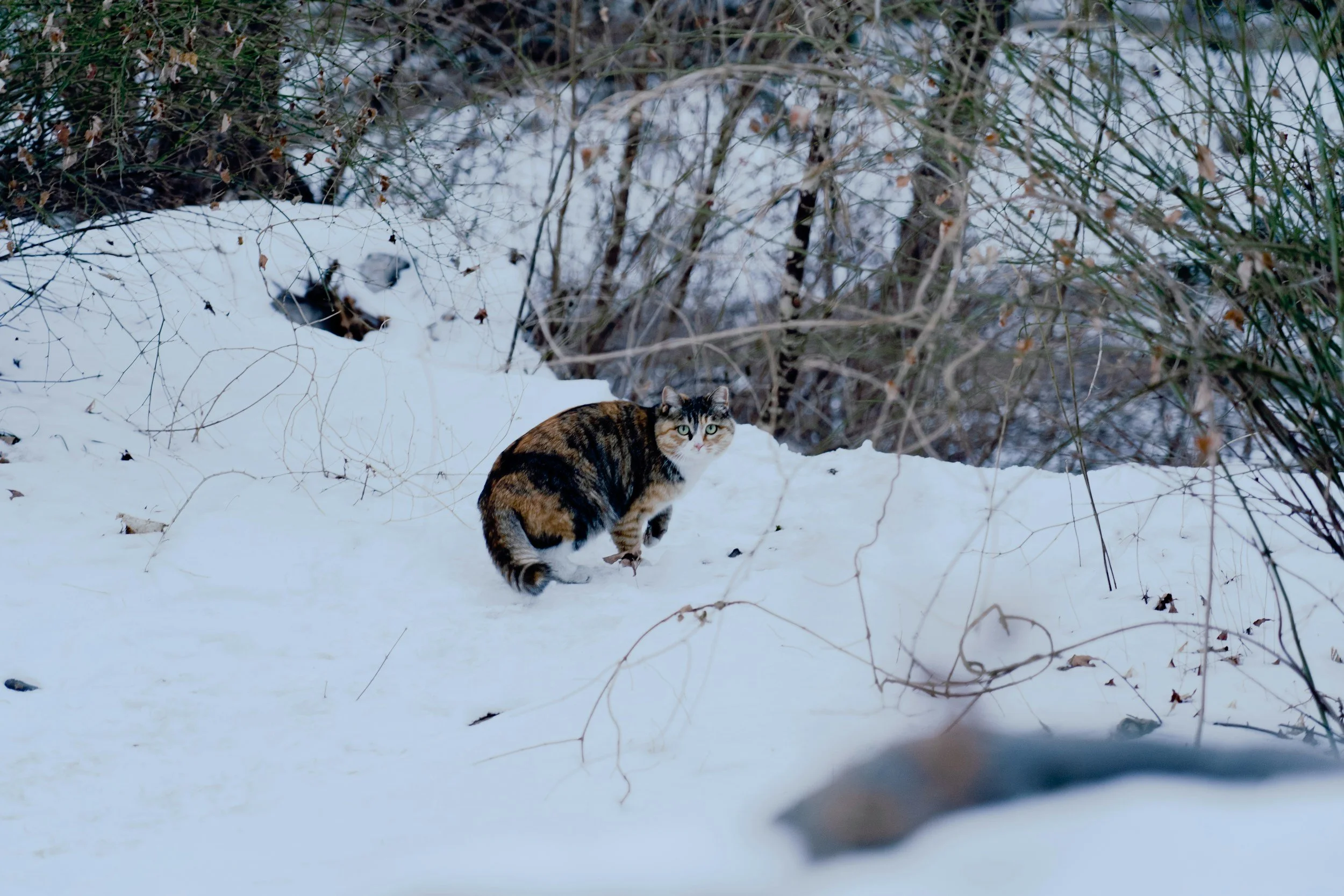
Cats are far less likely to be nursing, making it easier to trap without risking dependent kittens. Completing surgeries now helps prevent the surge of litters that typically arrives in spring. Snow can also reveal travel paths, helping you place traps more effectively.
Get Involved
Learn more about how Ohio Animal Advocates supports community cats—and how you can get involved—on our Community Cats Advocacy page
Check our Events page for community cat focused trainings
Source: Neighborhood Cats