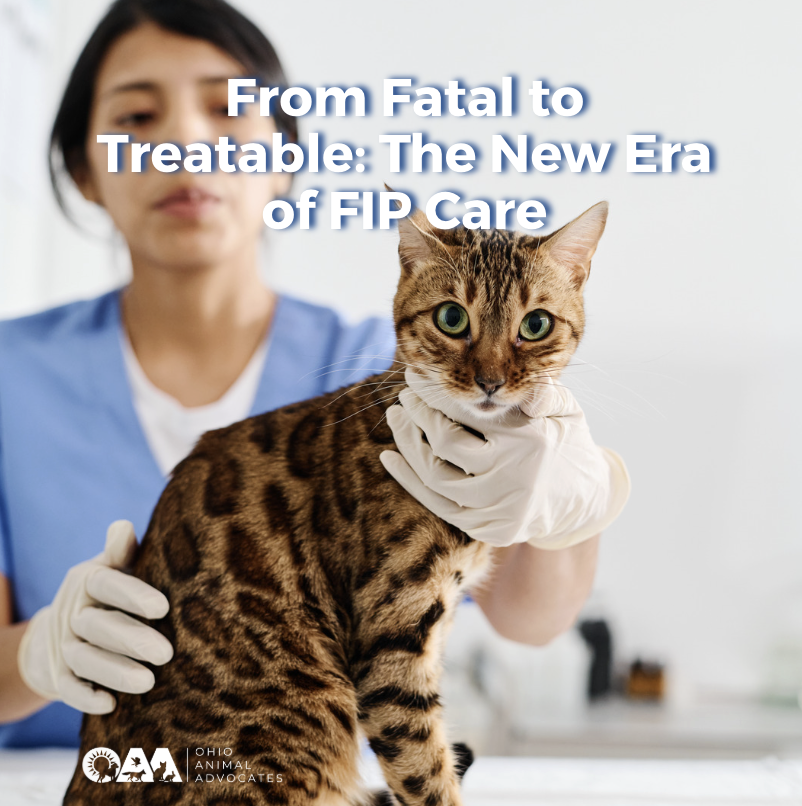
For years, a diagnosis of feline infectious peritonitis (FIP) felt like a death sentence for cat caregivers and veterinarians alike. Shelters, rescues, foster homes, and cat owners across the country experienced the heartbreak of losing kittens and cats to a disease that once had no effective treatment. Today, that reality is changing.
In a recent episode of the Community Cats Central, renowned pet journalist and feline advocate Steve Dale shared a message that brought veterinarians around the world to tears:
“I’m announcing that FIP is no longer considered fatal.”
That statement represents one of the most important breakthroughs in modern feline medicine.
What is FIP?
Feline infectious peritonitis (FIP) is a serious viral disease caused by a mutation of feline coronavirus, a virus commonly found in cats. Historically, once a cat developed FIP, survival was extremely rare. The disease often impacted kittens and young cats, particularly those in shelters, rescues, or multi-cat environments.
For decades, veterinarians could offer little more than supportive care.
Now, thanks to years of research, advocacy, and persistence from veterinary professionals, researchers, and cat advocates, effective antiviral treatments are saving cats’ lives.
A Breakthrough Years in the Making
During the podcast conversation, Steve Dale explained how continued investment in feline health research helped pave the way for antiviral medications capable of treating FIP successfully.
The research journey was not easy. Funding for feline-specific diseases has historically lagged behind research for dogs and other animals. But organizations like the EveryCat Health Foundationcontinued supporting critical studies and pushing feline medicine forward.
The results have been extraordinary.
Cats who once would have had little hope are now recovering, thriving, and living healthy lives after treatment. Even more remarkable, some of the antiviral research connected to FIP contributed to broader antiviral developments later used during the COVID-19 pandemic, highlighting how animal health research can benefit both animals and humans alike.
Why This Matters for Community Cats
For those involved in Trap-Neuter-Return (TNR), rescue, fostering, and shelter medicine, this breakthrough is especially meaningful. Community cat caregivers and rescue organizations often care for vulnerable kittens in high-stress environments where illness can spread quickly. In the past, an FIP diagnosis could devastate an entire foster network emotionally and financially.
Knowing that FIP is now treatable changes the conversation from hopelessness to possibility. It also reinforces why continued investment in veterinary care, spay/neuter programs, foster support, and feline research matters so deeply. Every cat deserves access to compassionate care and a chance at survival.
The Era of the Cat
Steve Dale also spoke about what he calls the “era of the cat” — a growing recognition that cats deserve greater understanding, medical investment, behavioral support, and advocacy.
For too long, feline health concerns were overlooked or underfunded. Today, we are seeing major advancements not only in FIP treatment, but also in areas like feline heart disease research, behavior science, shelter medicine, and access to care.
This progress gives hope to rescuers, veterinarians, and cat lovers everywhere.
Continuing the Work
While this breakthrough is worth celebrating, there is still work to do. Access to treatment, affordability, veterinary education, and public awareness remain important challenges.
At Ohio Animal Advocates, we believe education saves lives and stories like this remind us why advocacy, research funding, and compassionate community support matter. The future of feline welfare is changing for the better.
And for countless cats diagnosed with FIP, that future now includes hope.
Get Involved
1. We provide resources to humanely care for community cats. Check out our Community Cats advocacy page.
2. Find low-cost spay/neuter and TNR resources on our Statewide Directory.
3. Subscribe to our e-newsletter to stay up-to-date on animal news in Ohio.