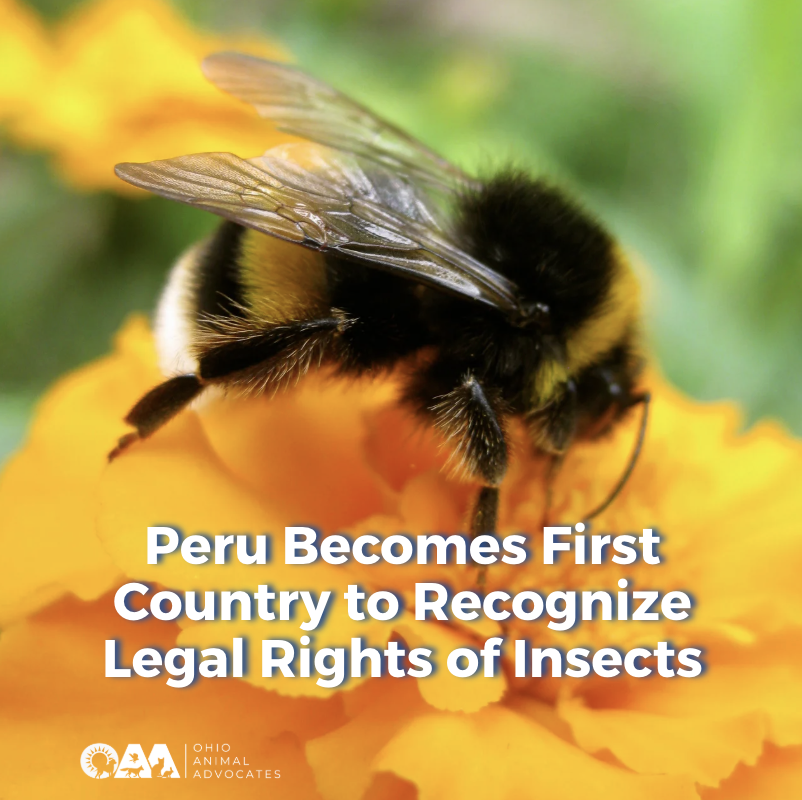
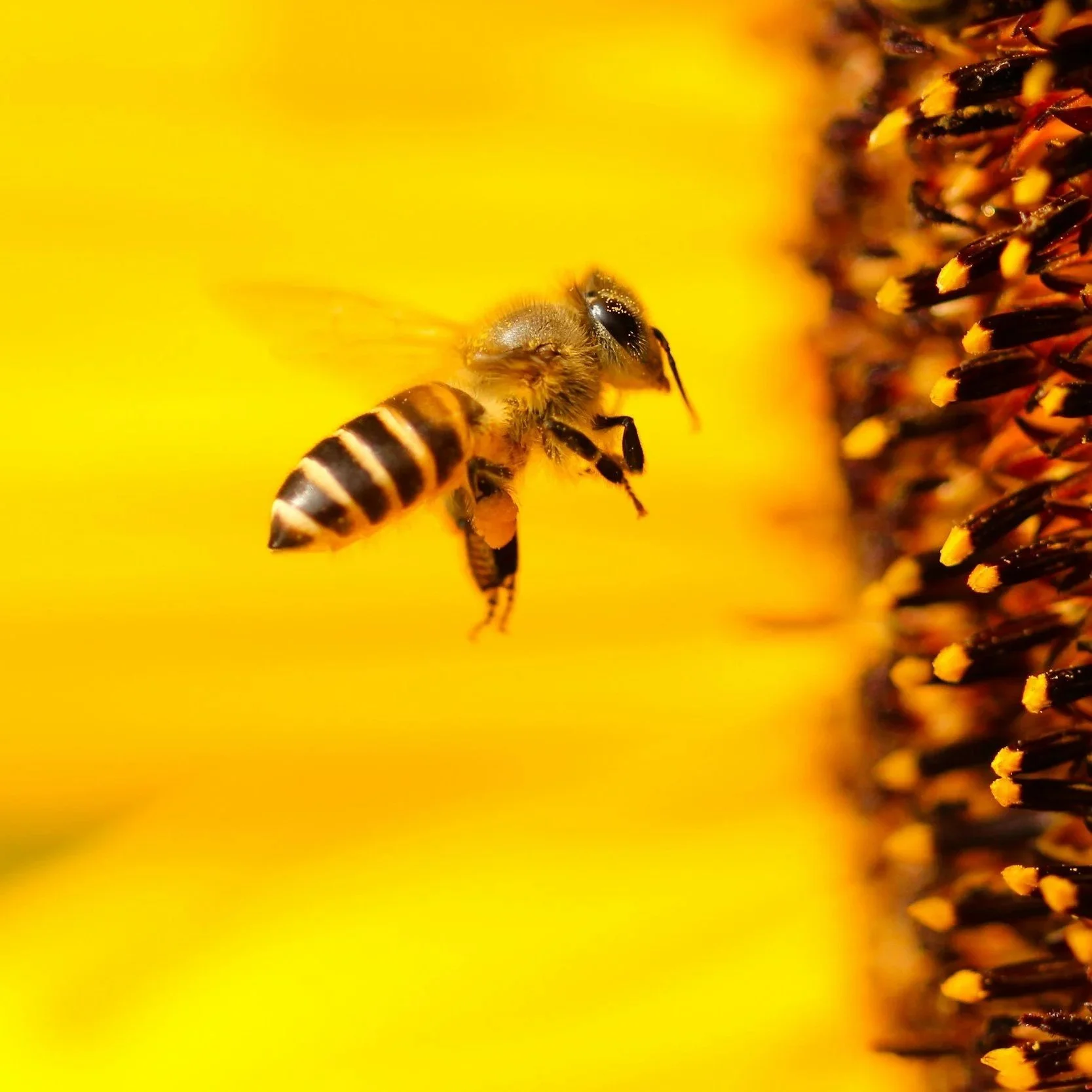
In a historic step for animal and environmental protection, municipalities in Peru have officially recognized native stingless bees as legal subjects with rights, marking the first known time in global legal history that insects have been granted this kind of legal recognition.
The new ordinances, passed in the Peruvian regions of Satipo and Nauta, recognize stingless bees and their habitats as having the right to exist, thrive, regenerate natural cycles, and receive legal protection from environmental harm.
This groundbreaking decision represents a major shift in how societies may begin viewing the natural world, not simply as resources for human use, but as living beings and ecosystems worthy of protection in their own right.
Why Stingless Bees Matter
Although small and often overlooked, stingless bees play a massive role in maintaining healthy ecosystems.
Researchers estimate that approximately half of the world’s known stingless bee species live in the Amazon region, where they help pollinate nearly 80% of tropical plant species, including cacao, coffee, avocados, and countless wild fruits.
In Peru alone, scientists have documented at least 175 native stingless bee species.
Without pollinators, food systems, forests, biodiversity, and entire ecosystems are at risk.
What Legal Rights for Bees Actually Mean
Under the new ordinances, stingless bees are no longer treated solely as environmental resources. Instead, they are recognized as rights-bearing entities. The protections include:
The right to exist and prosper
The right to healthy populations
The right to clean and stable habitats
The right to ecological regeneration
Legal representation in court if their survival is threatened by pollution, deforestation, pesticides, or development projects
This means environmental harm can now be challenged legally not only for its impact on humans, but also for the direct harm caused to the bees and their ecosystems.
Indigenous Knowledge and Conservation
The movement did not begin in a courtroom. It began with Indigenous communities and researchers working together. According to the report, Indigenous families had long used stingless bee honey medicinally, and researchers later identified hundreds of potentially beneficial bioactive compounds within the honey. For Indigenous groups including the Asháninka and Kukama-Kukamiria peoples, stingless bees are deeply connected to cultural traditions, stories, ceremonies, and ecological knowledge passed down through generations.
This recognition highlights the importance of combining scientific research with traditional ecological knowledge in conservation efforts.
A New Direction for Animal and Environmental Law?
The legal recognition of stingless bees raises larger questions about how humans define rights, responsibility, and coexistence with nature. In recent years, some countries and legal systems have recognized rivers, forests, and ecosystems as legal entities. Peru’s recognition of insect rights pushes that conversation even further.
As pollinator populations continue declining worldwide due to habitat loss, pesticides, climate change, and industrial agriculture, this decision may inspire broader conversations about how legal systems can better protect vulnerable species before ecosystems reach crisis points.
Why This Matters Everywhere
Even for people far from the Amazon rainforest, pollinators impact everyday life. Coffee, chocolate, fruits, vegetables, and countless plant species depend on pollination to survive. Protecting pollinators means protecting biodiversity, food systems, and environmental stability for future generations.
At Ohio Animal Advocates, we believe compassionate advocacy includes recognizing the interconnectedness between animals, ecosystems, and human communities. This historic decision in Peru reminds us that even the smallest beings can have an enormous impact on the world around us and that perhaps they deserve protection, too.
Take Action
1. Get involved in wildlife protection by submitting an action alert to Conserve America's Biodiversity by Protecting Endangered Species
2. Learn more about the intersection between climate change and the effect on animals on our Climate Change advocacy page.
3. Subscribe to our e-newsletter to stay up-to-date on animal news in Ohio.