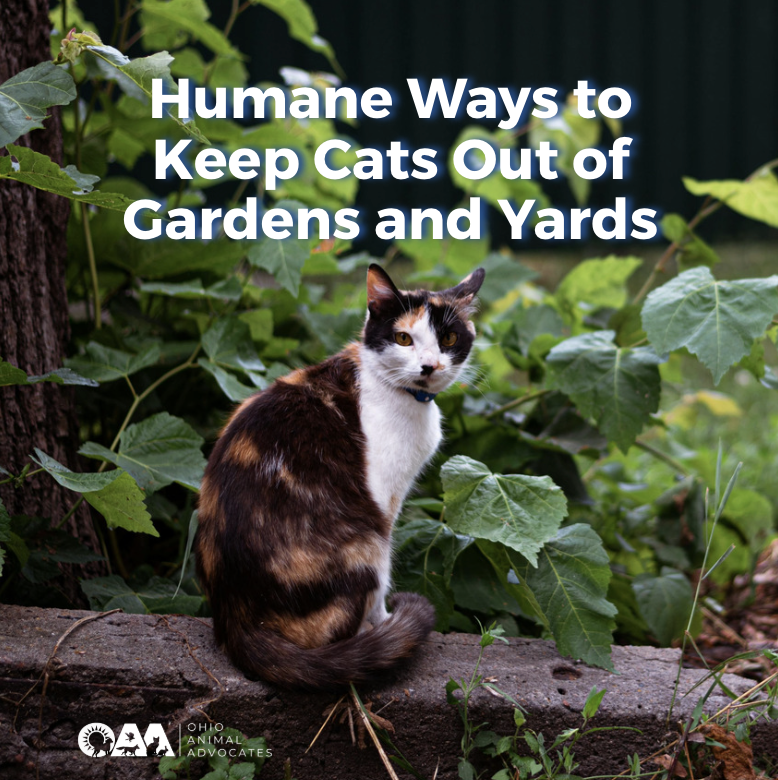
Community cats are a part of many neighborhoods, and while some people enjoy seeing them stroll through the yard, others may be less enthusiastic. One of the most common complaints about free-roaming cats is their tendency to dig in gardens, lounge in flower beds, or use outdoor spaces as litter boxes.
When conflicts arise between cats and neighbors, humane solutions are the key. Keeping cats out of areas where they are not welcome can help maintain positive relationships while ensuring the animals remain safe and unharmed.
Fortunately, there are several effective and cat-friendly strategies that can help. This article was inspired by resources from Neighborhood Cats, a leading organization dedicated to Trap-Neuter-Return (TNR), community cat advocacy, and humane coexistence strategies. Their work has helped countless communities reduce conflict while improving outcomes for cats and the people who care about them.
Motion-Activated Sprinklers
Motion-activated sprinklers are one of the most effective humane deterrents available.
These devices use infrared sensors to detect movement. When a cat enters the designated area, the sprinkler releases a sudden burst of water. The water doesn't hurt the cat, but it does startle them enough that they quickly learn to avoid the area.
These systems work especially well for gardens, flower beds, and larger yards.
Ultrasonic Deterrent Devices
Ultrasonic deterrents use infrared technology to detect movement and emit a high-frequency sound that is unpleasant to cats but generally inaudible to humans.
Most cats find the noise irritating enough to leave the area. Because the devices are silent to people, they can be particularly useful in residential neighborhoods and during nighttime hours.
Proper placement is important, as sound waves cannot travel through fences, walls, or other barriers.
Cat-Proof Fencing
Fencing solutions designed to keep cats contained can also be used in reverse to keep cats out.
These systems typically feature an angled extension at the top of a fence that makes climbing difficult or impossible. While they can be a larger investment, cat-proof fencing is often one of the most reliable long-term solutions for protecting an entire yard.
Oscillot Fence Rollers
The Oscillot Cat Containment System uses spinning paddles mounted on top of an existing fence.
When a cat attempts to climb over the fence, the roller spins, causing the cat to safely return to the ground. Though originally designed to keep pet cats safely contained, the system can also be installed to discourage outside cats from entering a property.
Safe Scent Repellents
Cats rely heavily on their sense of smell, and certain scents can encourage them to avoid an area. Natural deterrents may include:
Lemon or orange peels
Lavender
Peppermint
Citronella
Lemongrass
Eucalyptus
Commercial animal-repellent products are also available. Because scents fade over time, especially after rain, they may need to be reapplied regularly. These options tend to work best for smaller spaces such as gardens, potted plants, and flower beds.
Prevent Digging with Physical Barriers
Cats enjoy digging in loose soil, making gardens particularly unattractive. Adding barriers can make digging difficult and discourage unwanted behavior. Some options include:
Plastic scat mats with flexible spikes
Decorative rocks
Landscape lattice panels
Ground covers or dense plantings
These barriers do not harm cats but make the area less appealing.
Provide an Alternative Litter Area
One of the most effective ways to stop cats from using gardens as litter boxes is to give them a better option. A designated outdoor litter area can be created using:
A small sandbox filled with play sand
A storage bin converted into a litter box
A pile of peat moss in a quiet corner of the yard
Cats often prefer soft, loose materials for elimination, so providing an alternative location can significantly reduce problems elsewhere.
Supporting Cats and Communities
Community cat programs and Trap-Neuter-Return (TNR) efforts work best when neighbors and caretakers collaborate.
While it can be frustrating when cats wander into unwanted areas, humane deterrents offer solutions that protect gardens without harming animals. By addressing concerns respectfully and proactively, communities can reduce conflict while improving outcomes for both people and cats.
At Ohio Animal Advocates, we support humane approaches to community cat management that prioritize animal welfare, responsible caregiving, and positive neighbor relations. With the right tools and a little patience, it's possible to create outdoor spaces that work for everyone, including the cats.
Get Involved
1. We provide resources; local, state, and regional summits, and build partnerships to humanely care for community cats while reducing populations and protecting local ecosystems. Visit our Community Cats advocacy page for more information.
2. Need help with TNR? Check out our Statewide Directory for a list of TNR groups in your area.
3. Subscribe to our e-newsletter to stay up-to-date on animal news in Ohio.