
For many families, pets are family members. When a beloved animal becomes sick or injured, most people expect veterinary decisions to be guided by medical expertise, compassion, and the best interests of the patient.
But what happens when financial investors increasingly shape the veterinary industry?
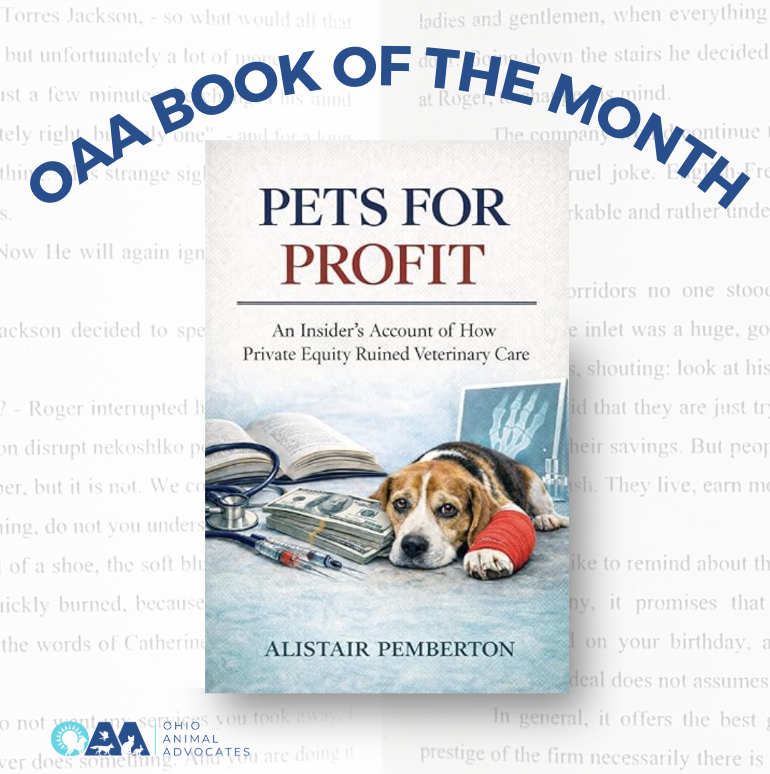
That is the central question explored in Pets for Profit: An Insider's Account of How Private Equity Ruined Veterinary Care, a short but thought-provoking book written by an anonymous former executive who claims to have worked inside a major private-equity-backed veterinary corporation. The author provides an insider perspective on the rapid consolidation of veterinary medicine and argues that financial incentives are increasingly influencing how veterinary care is delivered.
The Growing Corporate Presence in Veterinary Medicine
One of the book's greatest strengths is its examination of how dramatically veterinary medicine has changed over the past two decades.
Traditionally, most veterinary hospitals were independently owned by veterinarians who lived and worked within their communities. Today, a growing number of practices have been acquired by large corporate groups and private equity firms. Industry observers estimate that corporate ownership now accounts for a significant share of veterinary practices, particularly emergency and specialty hospitals.
The book argues that this shift has transformed veterinary care from a profession centered on long-term relationships into a business increasingly driven by growth targets, acquisitions, and investor returns.
Whether readers agree with every conclusion or not, the author raises important questions about ownership, transparency, and accountability within the veterinary industry.
Why Pet Owners Are Paying Attention
Many pet owners have experienced sticker shock at the veterinarian's office in recent years.
The author connects rising costs to industry consolidation, arguing that corporate ownership can create pressure to increase revenue through higher fees, expanded diagnostics, and additional services. Similar concerns have been raised by journalists, consumer advocates, and policymakers examining trends in veterinary medicine.
Importantly, the book does not criticize veterinarians themselves. Instead, it argues that many veterinarians and veterinary technicians are struggling within systems that place increasing financial and administrative demands on clinics.
This distinction is important. Across the country, veterinarians continue to face workforce shortages, burnout, mental health challenges, and growing educational debt. Many entered the profession because they love animals, not because they wanted to maximize profits.
A Book About More Than Business
What makes Pets for Profit especially relevant for animal advocates is that it frames veterinary care as an animal welfare issue.
When veterinary care becomes increasingly expensive, some families delay treatment, decline recommended procedures, or struggle to access care altogether. Animal shelters and rescue organizations face similar challenges as medical costs consume larger portions of already limited budgets.
The author argues that accessibility matters just as much as medical innovation. Advanced treatments are valuable, but only if they remain within reach for the animals who need them.
For advocates concerned about companion animal welfare, this perspective is worth considering.
What the Book Leaves Open for Debate
While the book presents a compelling critique of private equity ownership, readers should recognize that it is written from a particular perspective.
Supporters of corporate veterinary groups argue that consolidation can provide resources, technology, management support, and investment that independent practices may struggle to access on their own. The reality is likely more complex than a simple good-versus-bad narrative.
The book's greatest value may not be in providing definitive answers, but in encouraging readers to ask important questions:
Who owns my veterinary clinic?
How does ownership affect pricing and services?
How can communities maintain access to affordable veterinary care?
What policies can support both veterinary professionals and pet owners?
Final Thoughts
Pets for Profit is a quick read, but its implications are far-reaching.
Whether you are a pet owner, veterinarian, shelter professional, rescue volunteer, or animal advocate, the book offers an eye-opening look at forces that are reshaping veterinary medicine behind the scenes.
At Ohio Animal Advocates, we believe access to affordable veterinary care is a critical animal welfare issue. As veterinary costs continue to rise, conversations about ownership, transparency, workforce support, and access to care will only become more important.
This book does not provide all the answers, but it raises questions that deserve public attention.