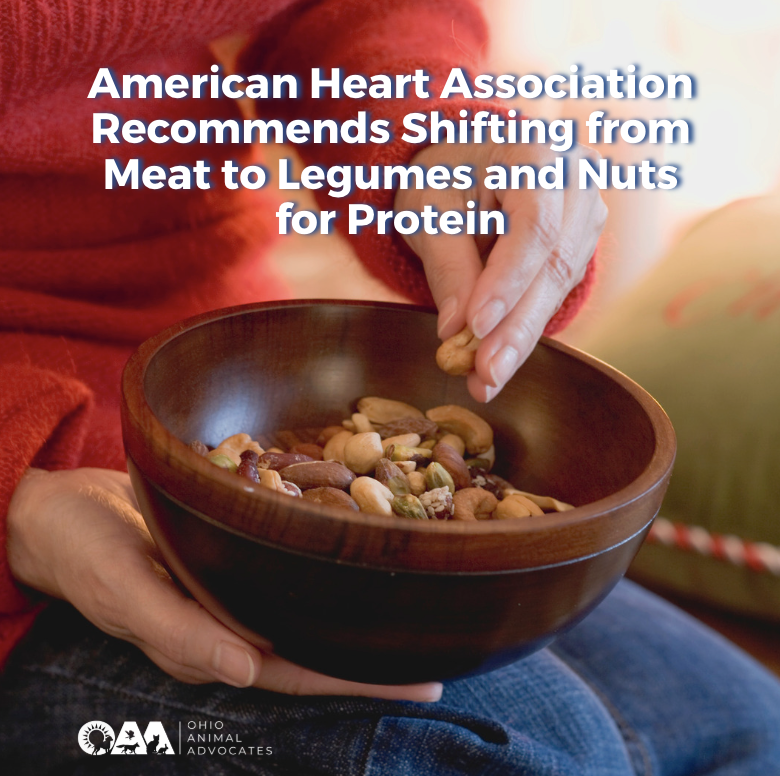

The American Heart Association (AHA) has released updated dietary guidance encouraging Americans to eat more plant-based foods and reduce their reliance on animal products as part of a heart-healthy lifestyle.
The new scientific statement, 2026 Dietary Guidance to Improve Cardiovascular Health: A Scientific Statement From the American Heart Association, highlights growing evidence that diets rich in plant-based foods can significantly improve cardiovascular health outcomes.
According to the report, “dietary patterns higher in plant-based foods and lower in animal products have been associated with lower coronary heart disease risk and more favorable coronary heart disease risk factors and metabolome profiles.”
One of the most notable recommendations is a shift away from meat as a primary source of protein. Instead, the AHA encourages consumers to obtain more of their protein from plant-based sources such as legumes, including beans, lentils, and peas, as well as nuts and seeds.
The guidance also recommends regularly consuming fish and seafood as part of a balanced dietary pattern.
These recommendations reflect a growing body of research linking plant-forward diets to improved heart health, lower cholesterol levels, reduced inflammation, and decreased risk of chronic disease. Plant-based proteins are often lower in saturated fat and higher in fiber than many animal-based protein sources, making them a beneficial choice for cardiovascular wellness.
Beyond human health, shifting toward plant-based protein sources may also provide environmental benefits. Producing legumes, nuts, and other plant foods generally requires fewer natural resources and generates lower greenhouse gas emissions compared to many forms of animal agriculture.
While the American Heart Association does not recommend eliminating animal products entirely, its updated guidance reinforces a broader trend among health organizations recognizing the value of plant-based foods in promoting long-term health.
For individuals looking to improve their heart health, simple changes such as incorporating beans into soups and salads, choosing lentils as a meat alternative, or adding nuts to meals and snacks can be meaningful steps toward a more heart-healthy diet.
As research continues to evolve, the message from leading health experts is becoming increasingly clear: eating more plants can benefit both people and the planet.
A Note on Compassionate Eating
At OAA, we believe food can be both delicious and kind. Choosing plant-based meals like this one helps reduce the demand for factory-farmed animal products and supports a more compassionate food system. Every small choice adds up.
Learn More About the Bigger Impact
Our food choices don’t just affect animals. They also affect the planet we share. Industrial animal agriculture is one of the leading drivers of climate change, deforestation, and water pollution. To explore how compassionate eating supports a healthier environment for all, visit our Advocacy page on Climate Change.
Stay Connected
Subscribe to our e-newsletter to stay up-to-date on animal news in Ohio.