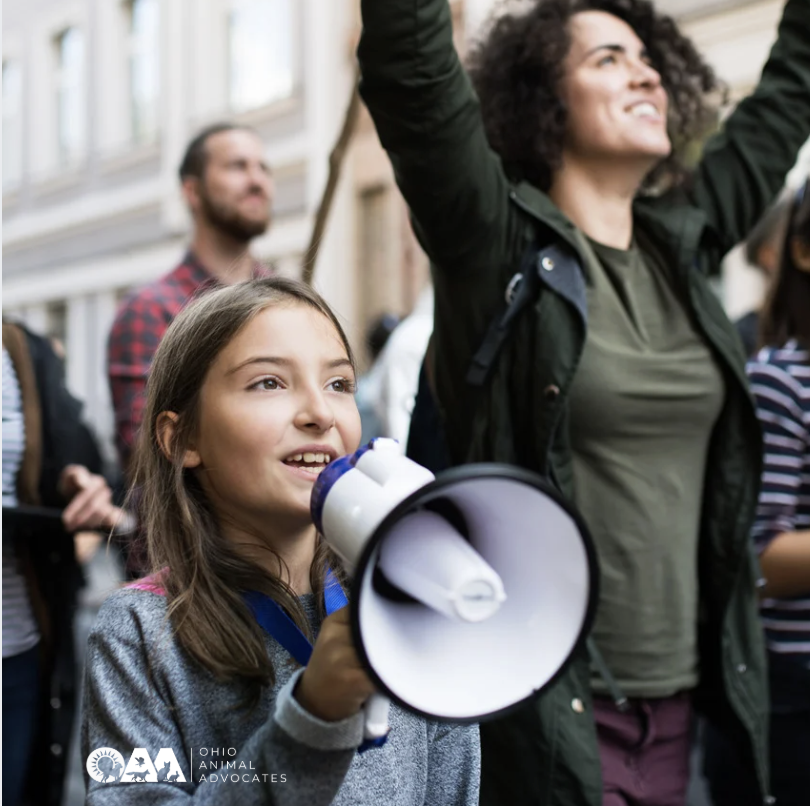
In April, voices rose at Times Square in New York City for justice.
Advocates, animal lovers, and community members gathered in protest following the tragic death of Orelha, a beloved community dog from Brazil whose story has sparked outrage around the world. What happened in New York wasn’t just a demonstration. It was part of a growing, global demand for accountability in cases of animal cruelty.
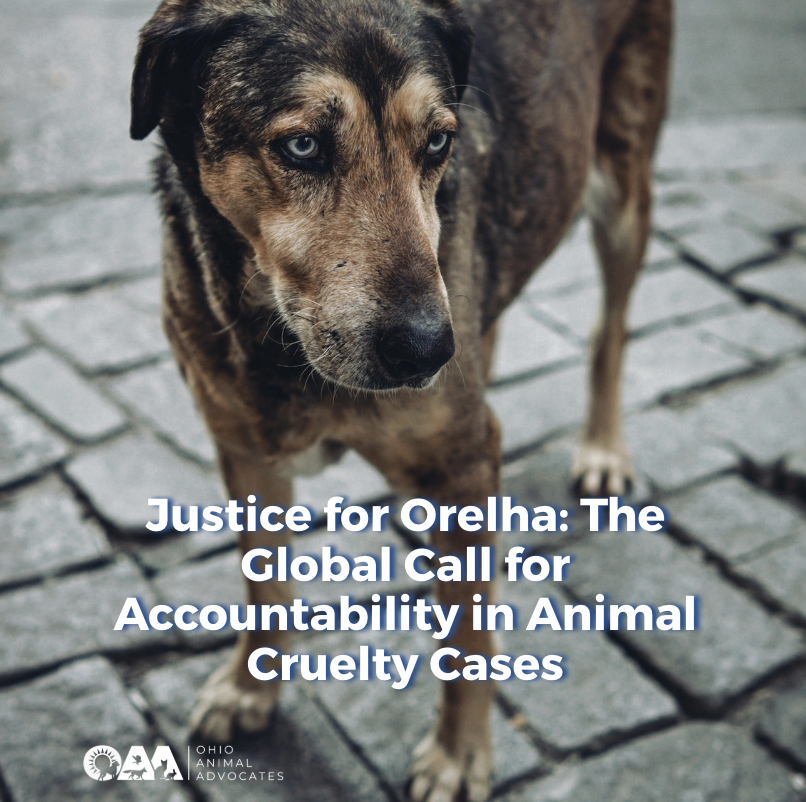
Orelha’s story is heartbreaking. Known and cared for by his community, he was brutally attacked in January 2026 and later died from his injuries. Reports indicate that multiple teenagers were involved, and despite ongoing investigations, many feel justice has been delayed or denied.
His death has become more than a single tragic event. It’s a symbol of the gaps that exist in systems meant to protect animals.
A Global Movement for Accountability
From Brazil to New York City, people are speaking out. Public pressure has already influenced developments in the case, including calls to escalate the investigation and ensure greater transparency.
But beyond one case, Orelha’s story is part of a larger pattern: when cruelty happens, accountability is not always guaranteed. And when systems fail, it’s often public awareness and advocacy that drive change.
Why This Matters in Ohio
It can be easy to see a story like this as something happening “somewhere else.” But the reality is, animal cruelty is not confined by geography.
Here in Ohio, we’ve seen firsthand how cruelty cases can escalate when warning signs are missed or when systems lack the resources to intervene early. That’s why awareness—and action—matters.
Animal cruelty is often connected to broader patterns of violence. Addressing it is not just about protecting animals. It’s about building safer, more compassionate communities for everyone.
Justice Starts with Us
Orelha was more than a dog. He was part of a community that loved him. His story is a painful reminder of what’s at stake when systems fail, but also of what’s possible when people come together to demand better.
The protest in New York was one moment in a much larger movement. The question is: what happens next?
Here in Ohio, we have the opportunity, and the responsibility, to turn awareness into action.
Because justice for animals doesn’t start in the courtroom. It starts in our communities.
What You Can Do
If Orelha’s story moved you, there are meaningful ways to take action right here in Ohio:
1. Know the signs: Overcrowding, untreated injuries, extreme fear, lack of food or water, and unsafe living conditions can all be indicators of neglect or abuse.
2. Report concerns: Don’t wait for a situation to escalate. Reporting animal cruelty immediately can save not only an animal's life - but human lives. Animal abuse is often the first warning sign that family violence is escalating. You can find local reporting resources such as where to report animal cruelty by county on our Statewide Directory.
3. Support prevention: Spay/neuter access, humane education, and community-based resources all play a role in reducing suffering before it starts.
4. Advocate for stronger protections: Laws and enforcement matter. Use your voice to support policies that protect animals and hold offenders accountable. Submit an action alert to Support Increased Penalties for Animal Cruelty.
5. Stay connected: Sign up for the Ohio Animal Advocates newsletter to receive updates, resources, and action alerts on issues affecting animals across the state.