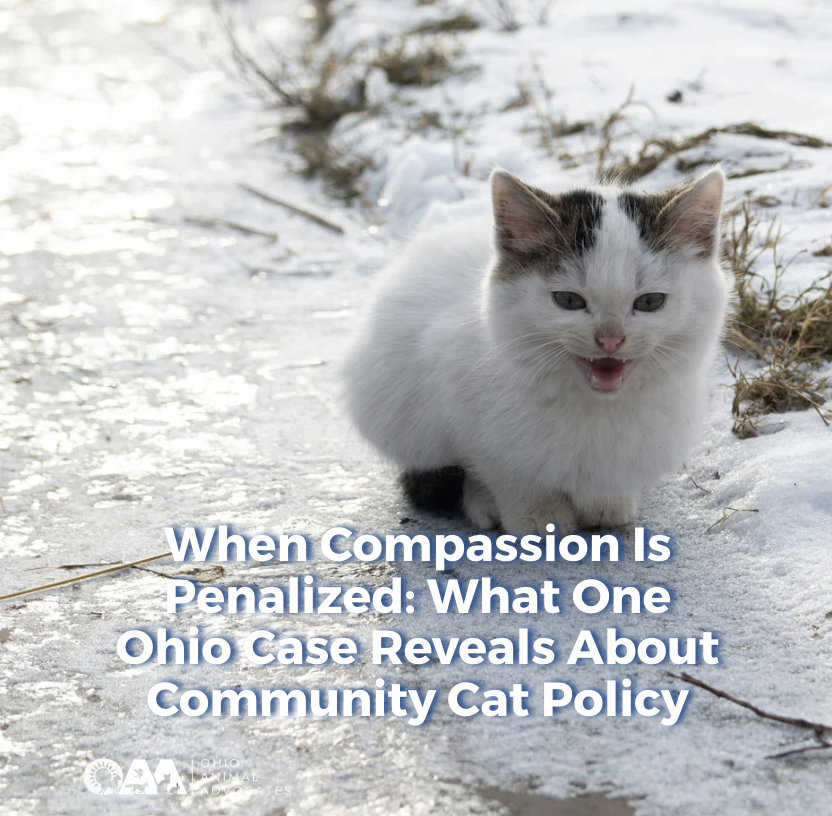
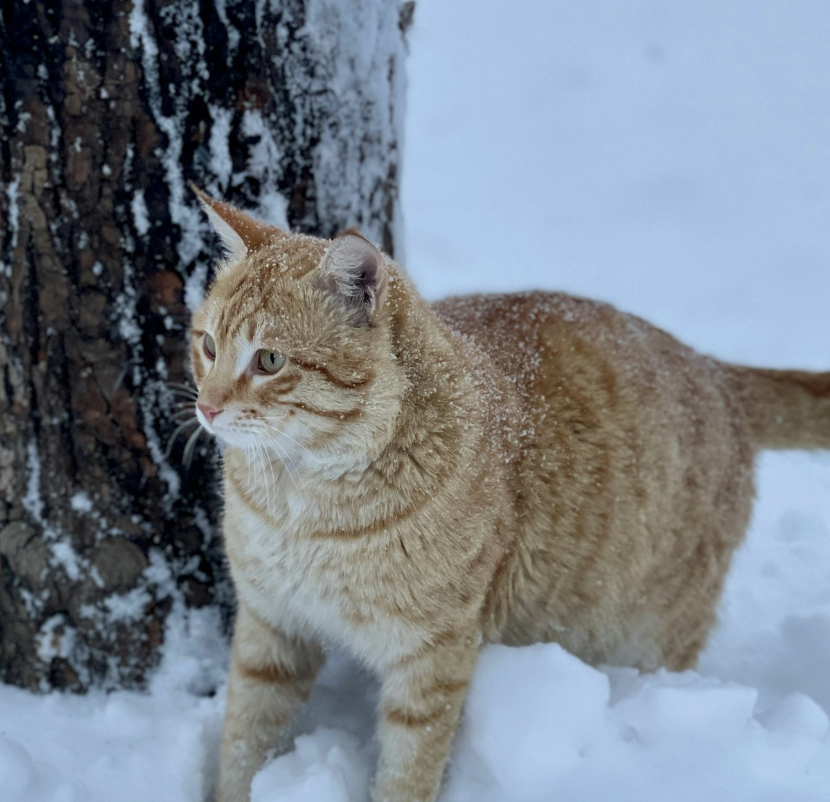
During a recent winter cold snap in Ohio, a man was cited for feeding stray cats. His intention was simple: keep them alive.
But the situation highlights a larger issue—one that communities across the country continue to grapple with: What happens when compassion collides with outdated or ineffective policies?
The Situation in Swanton, Ohio
Scott Drummond, a property owner in Swanton, Ohio, began feeding and sheltering a group of community cats during extreme winter weather.
At any given time, he estimated there were between 12 and 30 cats living in the area—an ongoing cycle driven by unsterilized populations.
When Drummond reported an incident of dumped animal waste on his property, law enforcement instead cited him under a local ordinance prohibiting the feeding of stray cats.
He ultimately received a minor misdemeanor citation and $100 in court costs.
Even the judge reportedly expressed surprise that feeding cats was illegal.
The Reality of Community Cats
Situations like this are not uncommon. Across Ohio and the U.S., many communities face:
Growing populations of unsterilized outdoor cats
Limited access to spay/neuter services
Overcapacity at shelters and rescues
Conflicts between residents over feeding and care
Without intervention, populations increase—especially during warmer months when kittens are born. By winter, those same cats face starvation, dehydration, and exposure.
Feeding Is Not the Problem—Lack of Strategy Is
Feeding bans are often implemented with the intention of reducing nuisance complaints. However, these policies rarely solve the root issue. In fact, they can:
Drive feeding underground, making populations harder to monitor
Increase suffering without reducing numbers
Discourage community members from engaging in humane solutions
As Drummond noted, even after intervention, the cycle will continue:
Without spay/neuter, more kittens will be born.
What Actually Works: Humane, Community-Based Solutions
Animal welfare organizations widely support Trap-Neuter-Return (TNR) as the most effective and humane approach to managing community cat populations. TNR programs:
Stabilize and gradually reduce populations
Improve health and behavior of cats
Reduce nuisance complaints over time
But TNR requires infrastructure, funding, and policy support—not penalties for individuals trying to help.
A Gap Between Policy and Reality
This case underscores a disconnect:
Individuals step in when systems fall short
Ordinances penalize those efforts
Long-term solutions remain under-resourced
Drummond reportedly reached out to rescues—only to find they were already full. This is a familiar reality for many communities.
Moving Toward Better Policy
Communities have an opportunity to rethink how they approach community cats. Instead of punitive measures, policies should focus on:
Expanding access to low-cost spay/neuter services
Supporting TNR programs
Partnering with local advocates and caregivers
Educating the public on humane population management
Compassion and effective policy do not need to be in conflict.
Time to Take Action
1. Have a cat that needs to be spayed/neutered? Check out statewide directory for affordable spay/neuter services across Ohio.
2. Review our Community Cats advocacy page for more resources on humane care for community cats while reducing populations and protecting local ecosystems.
3. Review our Guide for Busy Ohio Municipal Leaders on community cats. Using this to work with municipal policy makers can make a difference in having positive strategies like S/N and TNR and getting rid of the negative strategies like feeding bans.
4. Sign up for our newsletter to receive OAA action alerts and animal welfare updates delivered straight to your inbox.