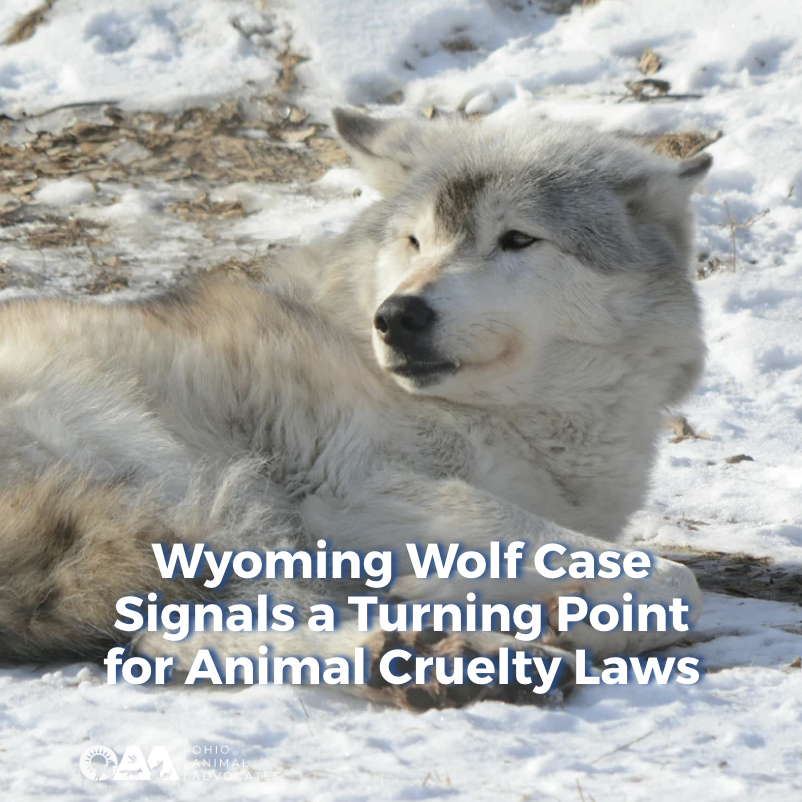
A deeply disturbing act of cruelty against a wolf in Wyoming has led to a guilty plea that may shape the future of animal protection laws, not only in Wyoming, but across the country. While the outcome cannot undo the suffering inflicted, it represents something significant: a growing recognition that animal cruelty must be taken seriously and prosecuted accordingly.
The Case That Sparked National Outrage
In 2024, a Wyoming man ran down a wolf with a snowmobile, then brought the injured animal into a bar where she was tormented before being killed.
The case drew widespread outrage across the United States and internationally, not only because of the brutality, but because existing laws appeared to allow for minimal consequences.
Under Wyoming law, certain animals classified as “predators” can be killed in ways that would otherwise be considered inhumane.
A Rare and Important Legal Move
In response, Sublette County Attorney Clayton Melinkovich took an unusual step: He convened a grand jury and pursued felony animal cruelty charges. This decision marked a shift. Rather than treating the incident as a minor violation, the case was elevated to reflect the seriousness of the act. The defendant ultimately entered a guilty plea in March 2026.
If the plea agreement is accepted, the penalties may include:
Restrictions on hunting and fishing
A prohibition on alcohol use and entering bars
Mandatory substance abuse treatment
A reduced fine and suspended jail sentence
While some may view the penalties as limited, the felony charge itself sets an important precedent.
Why This Case Matters Beyond Wyoming
Animal cruelty does not happen in isolation.
Decades of research show a strong link between violence toward animals and violence toward people. Recognizing and addressing cruelty is not just about protecting animals. It is also about community safety and early intervention.
By pursuing felony charges and requiring behavioral intervention, this case acknowledges that connection.
A System Under Scrutiny
Wyoming has long faced criticism for its wildlife policies, particularly the designation of certain animals as “predators,” which allows for extreme methods of killing across much of the state.
This case has brought renewed attention to:
The legality of vehicular killing of wildlife
Gaps in animal cruelty statutes
The need for consistent standards of humane treatment
Public opinion appears to be shifting. Many Wyoming residents, including hunters, ranchers, and rural communities—have expressed opposition to acts of extreme cruelty.
A Window for Legislative Change
The outcome of this case creates an opportunity.
Lawmakers now have both public attention and legal precedent to:
Prohibit intentional vehicular killing of wildlife
Strengthen animal cruelty statutes
Reevaluate exemptions for animals labeled as “predators”
Ensure laws reflect humane standards across all species
Real change will depend on whether policymakers act on this moment.
Moving Toward Accountability
This case is a reminder of two important truths:
Laws matter but enforcement matters just as much.
Public awareness and advocacy can drive change.
The guilty plea does not erase what happened. But it does signal that even in systems with gaps, there is potential for accountability and a path forward.
Get Involved
1. Speak out against animal abuse by submitting an action alert to Oppose The "Right to Hunt" Amendment and/or Support Increased Penalties for Animal Cruelty
2. Review our Wildlife Protection advocacy page and learn how OAA promotes coexistence with Ohio’s wildlife.
3. Sign up for our newsletter to receive OAA action alerts and animal welfare updates delivered straight to your inbox.