By Kendall Jang, Staff Writer
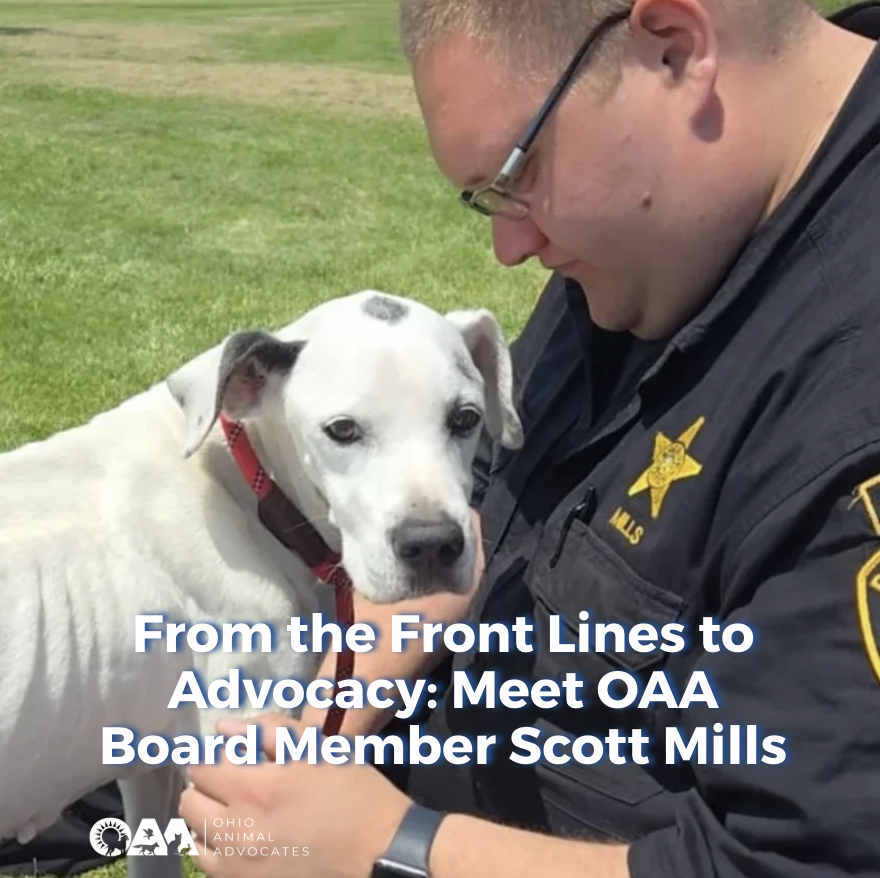
Ohio Animal Advocates is excited to introduce Scott Mills, Chief Dog Warden and Humane Agent for Marion County in Ohio and a member of the OAA Board of Directors. Scott has spent more than a decade working directly in animal welfare and brings firsthand experience in humane enforcement, animal cruelty investigations, community resources and legislation to OAA.
We sat down with Scott to learn more about his path into animal welfare, the experiences that have shaped his advocacy and what he hopes to accomplish as part of OAA.
Question: Can you tell us a little about yourself and what inspired you to join the Ohio Animal Advocates Board?
Mills: I’m the Chief Dog Warden and Humane Agent for Marion County, where I’ve worked for about 12 years. I became increasingly interested in legislation and learning how we can change laws to better protect animals. That eventually connected me with OAA, and I initially joined as an advisor to the Policy Committee before becoming a board member.
Legislation was really the biggest reason I wanted to get involved. I’m passionate about changing laws and helping animals.
Question: How did you first get involved in animal welfare or advocacy work?
Mills: I started at the dog warden’s office right after high school as a part-time kennel technician. At the time, I wanted to become a police officer, and because the office was connected with the sheriff’s office, I thought it would be a good way to get my foot in the door.
I already had experience with animals from growing up on a farm, and I loved dogs, so I decided to give it a try. I ended up falling in love with the work and never left.
Question: What excites you most about being part of OAA at this moment?
Mills: What excites me most is how active OAA is and how many resources it provides both to the community and to people working in animal welfare.
I’ve also been able to serve as a resource when OAA receives questions involving humane enforcement. In one instance, a community member contacted OAA because they were concerned about the welfare of livestock in their county and weren’t getting the answers they needed. I was able to reach out to people I knew in that county and help make sure the concerns were properly reported and investigated.
Question: Are there particular issues or program areas within OAA’s work that you feel most passionate about?
Mills: Community cats are important to me, but I’m especially passionate about humane education and the Link between animal cruelty and interpersonal violence.
After participating in OAA’s Link training and presenting on Avery’s Law, I started looking at ways to implement some of what I learned in Marion County. One initiative we’re developing is an emergency pet placement program for people experiencing domestic violence, displacement due to fires, homelessness and other situations where they may temporarily have nowhere safe for their animals to go.
I also started a pet food pantry at our office. Our local prison’s carpentry program built a shed shaped like a doghouse that sits next to our parking lot. Community members can access donated dog food, cat food, cat litter and other supplies when they need help caring for their animals.
Question: Do you share your life with any animals at home?
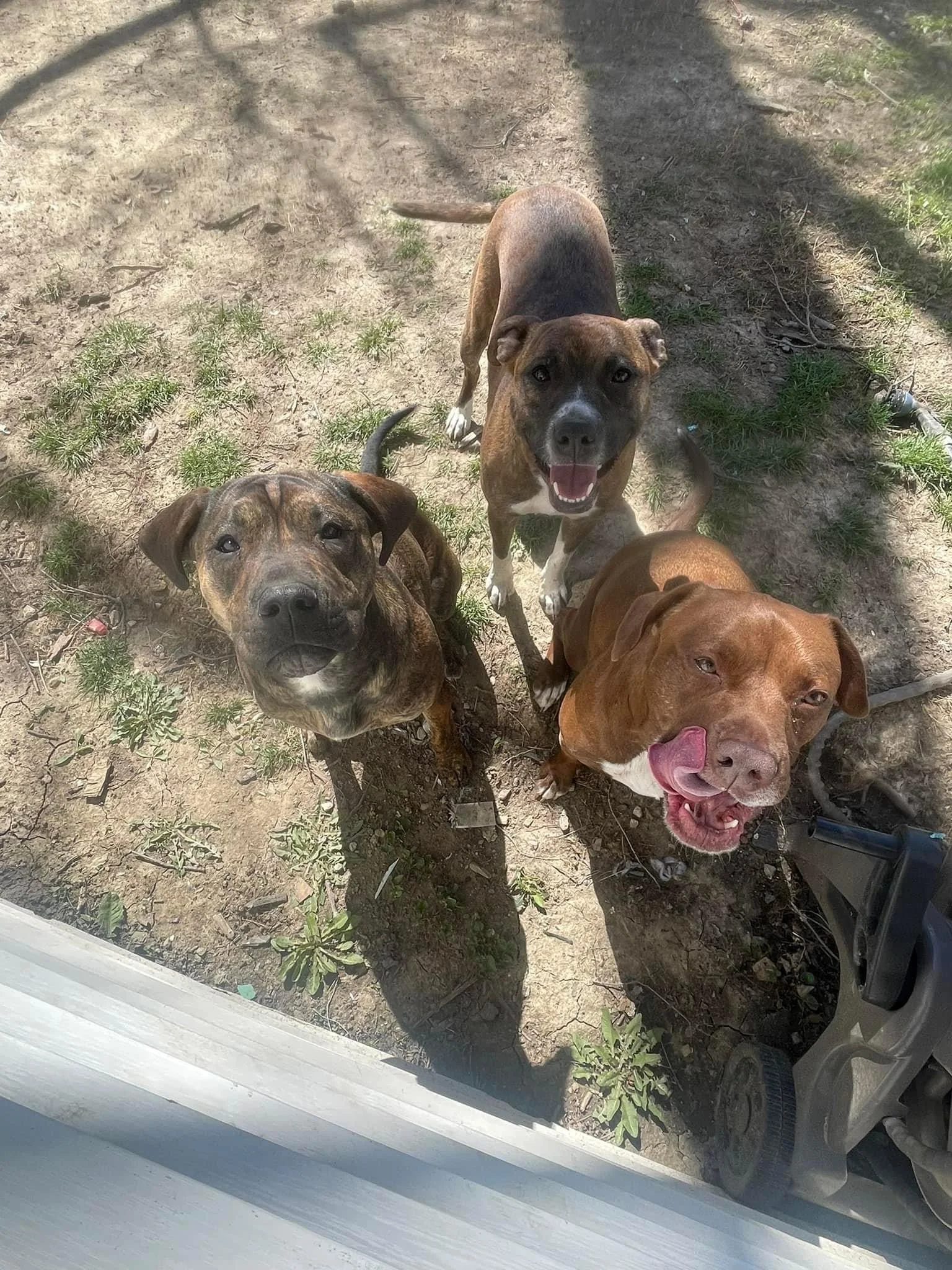
Mills: I have three dogs: Athena, Amelia and Aspen. I call them my “AAA.”
Question: What’s one memorable experience you’ve had that shaped your perspective on animal welfare?
Mills: My first felony animal cruelty case really changed my perspective. A neighbor called after hearing a dog crying for several days. When I investigated, I discovered the dog had been left outside for about a week and was hidden from view.
I rushed her to an emergency veterinarian, but she was severely anemic, malnourished, covered in fleas and sores, and ultimately had to be euthanized because of her condition.
That case showed me just how cruel people can be, but it also reinforced how much animals need people who can speak for them. I advocated hard for the case to be prosecuted, and the owner was charged with a felony.
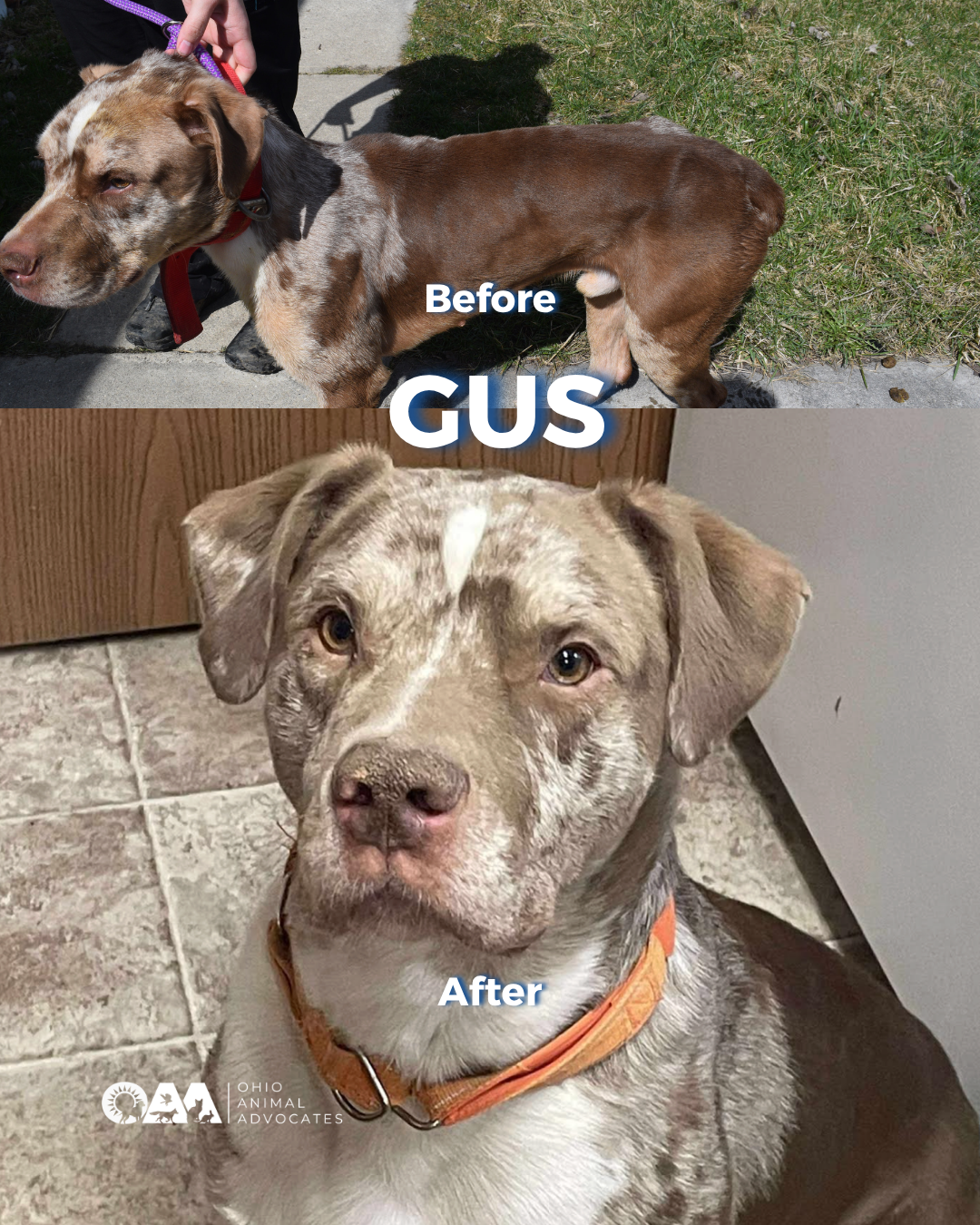
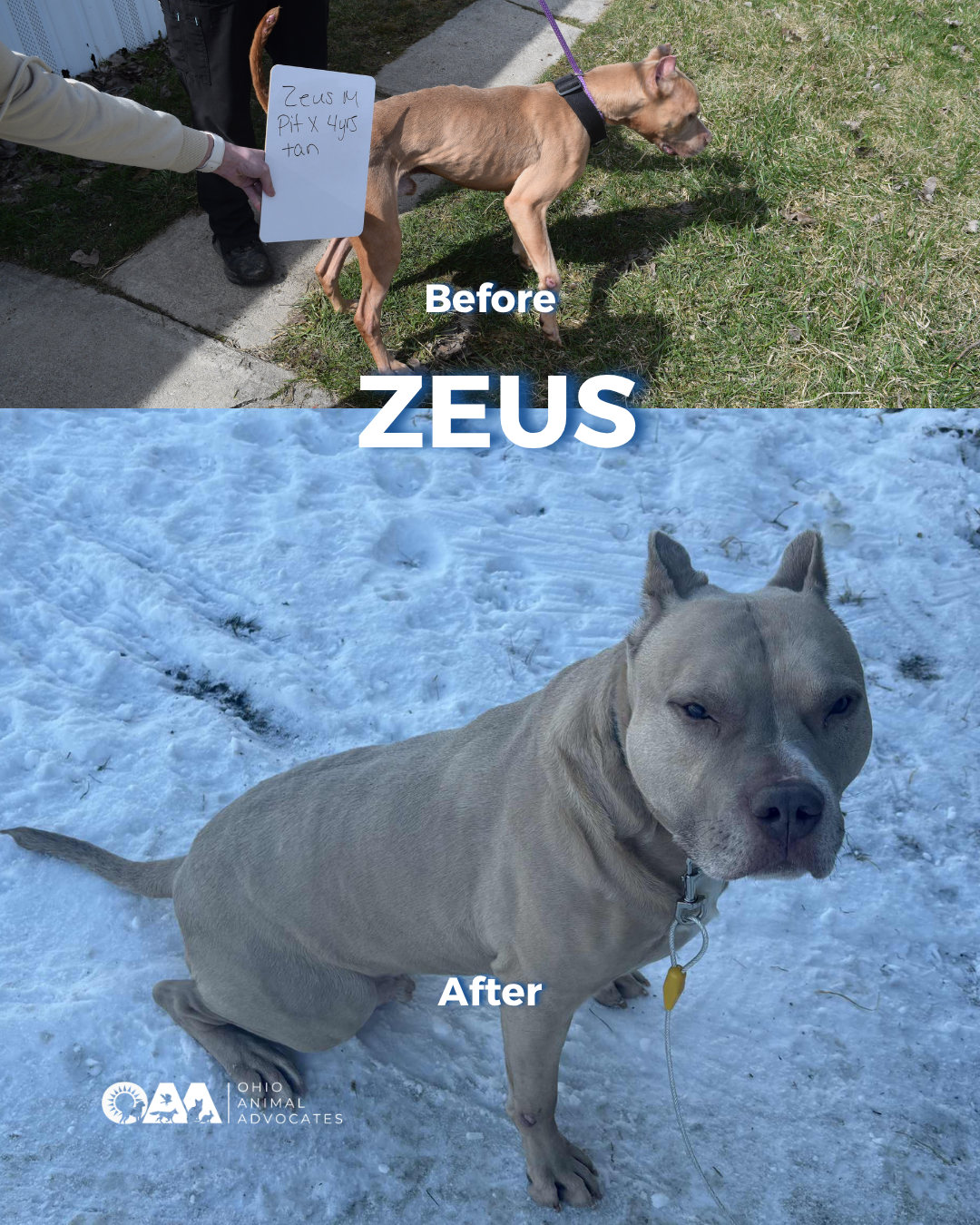
Another case began when an emergency veterinary clinic contacted me about a severely emaciated dog showing signs of suspected cruelty. The dog ultimately had to be euthanized, and the investigation revealed nine other dogs in the home. They were being kept in cages without food or water and were extremely thin.
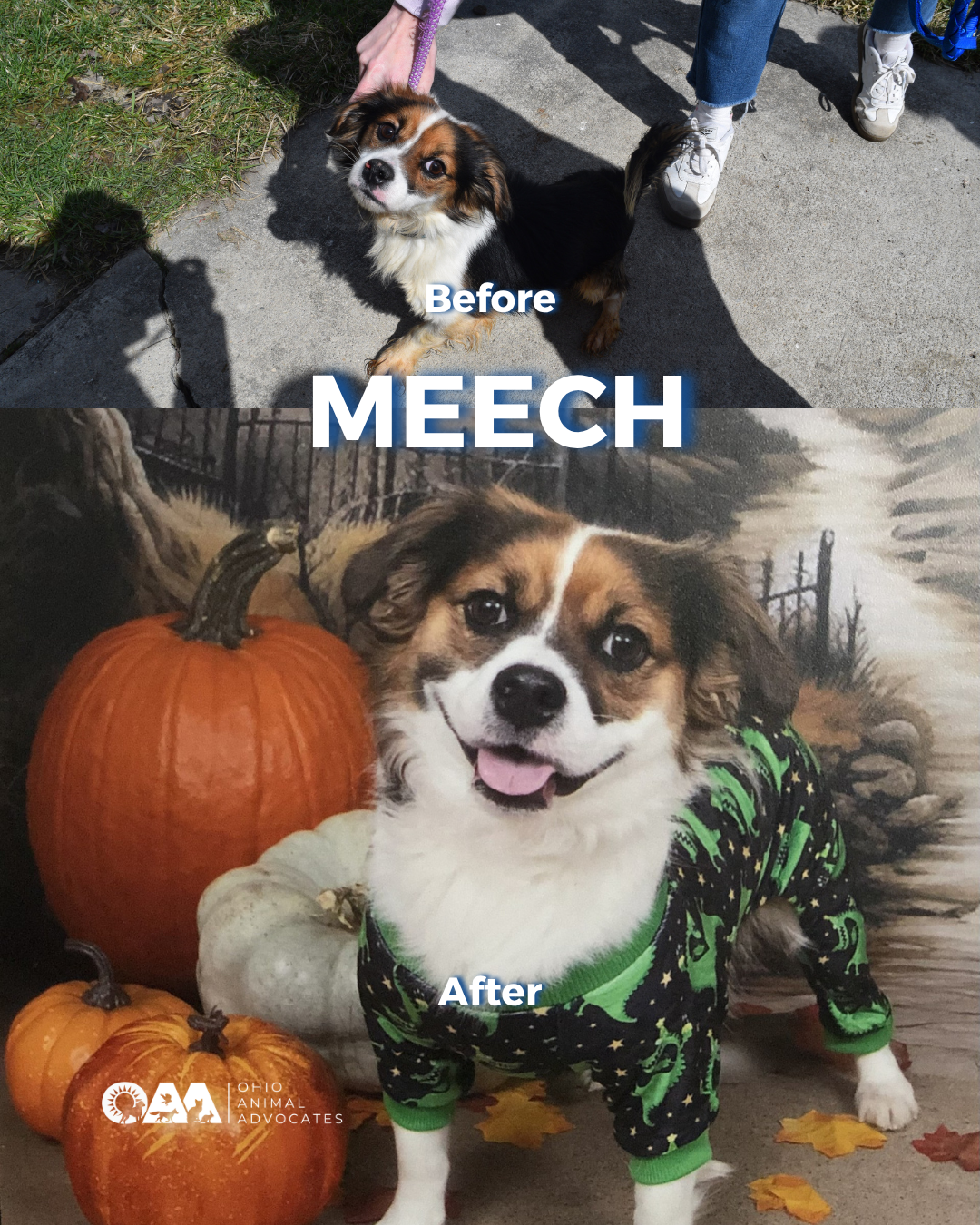
We seized the remaining dogs, and the owners were ultimately charged with multiple felonies and received jail time, probation and fines. The best part of that story is that every dog we seized was eventually adopted. Their before-and-after stories are incredible.
Question: What are your hopes for OAA’s future?
Mills: I’d love to see OAA continue expanding its trainings and public-facing work. OAA already does so much when it comes to legislation, and I think providing even more educational and humane training opportunities would be valuable for both professionals and communities across Ohio.
Question: If you could inspire one action from Ohioans to make a difference for animals, what would it be?
Mills: Spay and neuter. We simply have too many animals and not enough homes. In Marion County alone, the Humane Society and dog warden’s office together take in more than 2,000 animals each year. Spaying and neutering is one of the most important things people can do to help reduce that pressure.
Question: What’s your “spirit animal” or an animal you feel especially connected to?
Mills: My son and I like to say “all animals,” whenever we talk about what our favorite animal is, but if I had to choose one, I’d say an orangutan. They’ve always been my favorite. They’re cute, incredibly smart, and I just love them.
Scott’s experience on the front lines of humane enforcement brings an important perspective to Ohio Animal Advocates. From advocating for stronger laws and investigating cruelty to developing emergency pet placement resources and a community pet food pantry, his work reflects the many ways animal welfare intersects with the needs of people and communities.
We’re excited to have Scott on the OAA Board and look forward to the experience, compassion and advocacy he brings to our work.
Take Action
1. Help increase child and animal abuse detection by completing our action alert for H.R. 712. This bill amends the Child Abuse Prevention and Treatment Act to expand the data collected around child abuse cases to include information about animal abuse. This would further creating a better foundation for child abuse screening, prevention, and treatment programs, and ultimately providing substantial benefits to children, families, and pets.
2. Looking for the Marion County pet food pantry or spay/neuter services? Check out our Statewide Directory.
3. Learn more about the link between human and animal violence by visiting our Linking Human and Animal Violence advocacy page. We advocate for at-risk family members and safety planning for their pets because we recognize the link between family violence and animal abuse.
4. Share this update and action alerts with friends and family!
5. Subscribe to our e-newsletter to receive animal welfare related news and resources in Ohio straight to your inbo