Q&A with Pets in Need of Cincinnati Executive Director Pam McKie: Bridging Human Services and Animal Welfare
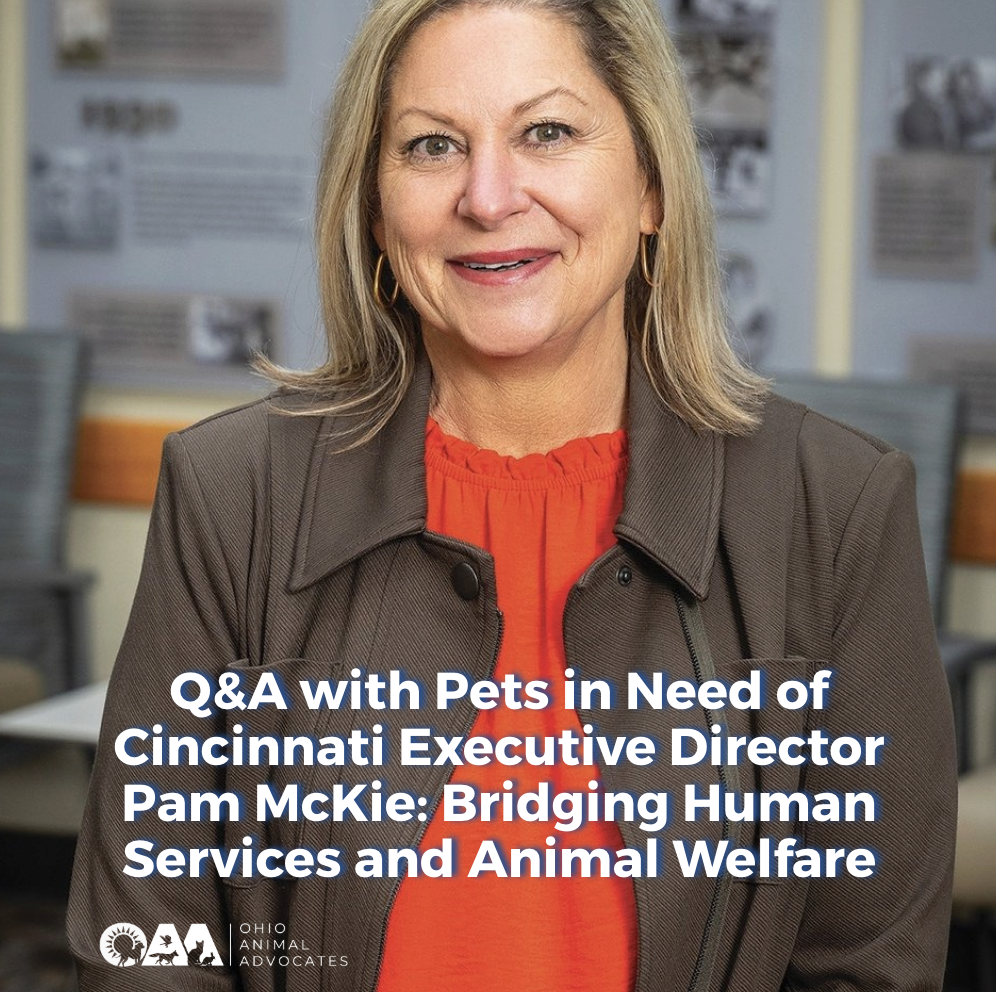
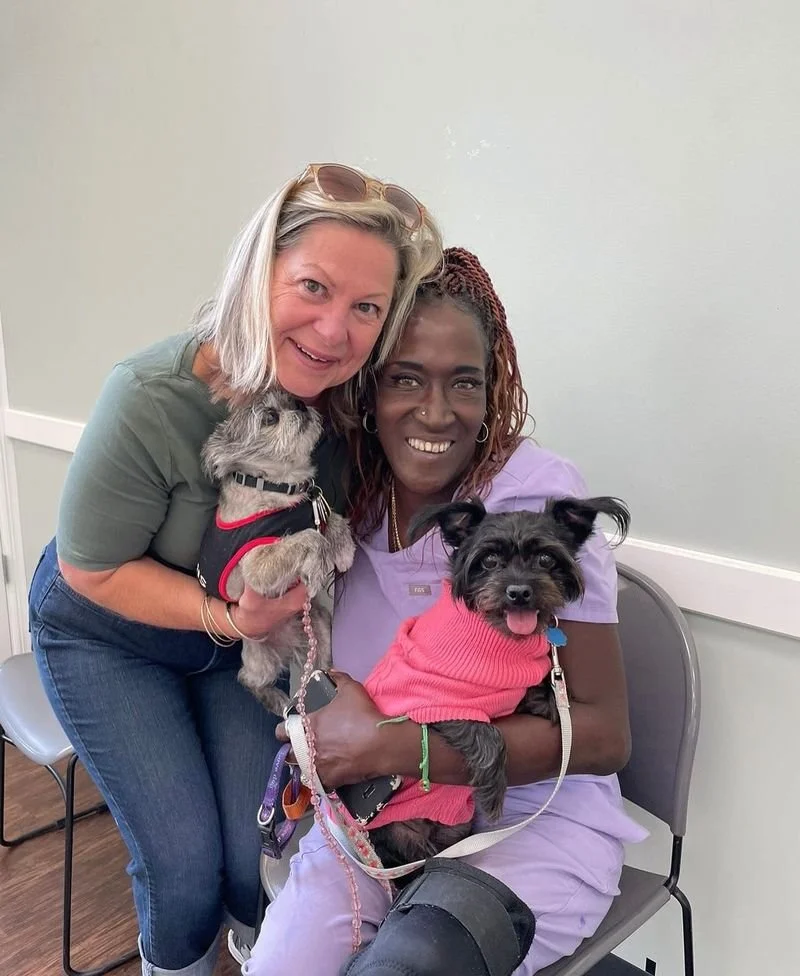
For more than 40 years, Pam McKie worked in human services, helping vulnerable children, families, and communities access the support they needed to thrive. Today, she brings that same passion and expertise to animal welfare as Executive Director of Pets in Need of Cincinnati, a nonprofit veterinary clinic dedicated to serving low-income and vulnerable pet owners.
In this interview, Pam shares how her background in social work shaped her approach to animal welfare, why the human-animal bond deserves greater attention, and how expanding access to veterinary care can strengthen both pets and the people who love them.
Question: You spent much of your career in human services before joining Pets in Need of Cincinnati. What drew you to animal welfare?
McKie: I've been a social worker for 40 years and spent much of my career working with organizations that evolved from traditional orphanages into modern social service agencies. Throughout that work, animals were always part of the picture. We had pets living in our programs, and families and youth often brought animals into their lives.
During the COVID-19 pandemic, our organization never closed. We kept our schools, playgrounds, and services open because the vulnerable populations we served couldn't simply stay home. As a result, we saw even more pets become part of our programs, and were able to launched a billable pet therapy program during that time.
Eventually, I was introduced to Pets in Need through the organization’s board chair whose husband I was working with when innovating pets into care. I joined the board and shortly thereafter was asked to become Executive Director. It felt like a natural extension of my work helping vulnerable people, only now I could help strengthen the animal welfare system as well.
Question: For readers who may not be familiar with Pets in Need, can you tell us about your mission and the services you provide?
McKie: Our mission is to provide affordable, high-quality veterinary care to allow individuals and families of limited means to retain their companion dogs and cats and maximize the benefits of healthy and responsible pet ownership.
Our focus is on companion animals, serving only low-income and vulnerable populations, including seniors, people with disabilities, veterans, and others who may face barriers to accessing and affording veterinary care.
Question: Why is it important to view pet care as part of supporting people and communities?
McKie: I don't think enough people fully appreciate the importance of the human-animal bond. Research continues to demonstrate the mental health, emotional, and physical benefits that companion animals provide.
For people who are isolated, living with disabilities, coping with trauma, or navigating difficult life circumstances, pets often provide stability, companionship, and purpose. Supporting those relationships isn't just about helping animals, it's about helping people too.
Question: What do you think animal welfare organizations can learn from the human services sector about serving vulnerable populations?
McKie: The social service sector long ago recognized that lasting outcomes are rarely achieved by addressing only the immediate presenting need. Sustainable success comes from understanding the whole person, their environment, their resources, barriers, and support systems. Animal welfare has an opportunity to apply many of these same principles for the best benefits and long-term sustainability of an animal human relationship. Lasting change happens when we move from rescuing individual animals to strengthening the systems that support both people and pets. When we focus on prevention, relationship-building, removing barriers, and supporting the whole family, we create conditions where both humans and animals can thrive together.
Question: Are there any programs or initiatives you're especially proud of from the past year?
McKie: I'm especially proud of our work with pet food pantries, homeless camps, and homeless shelters. We're trying to identify some of the most vulnerable pets in our community and make sure they're receiving care alongside the organizations already serving their owners.
We also host a weekly pet food pantry in partnership with the SPCA. These collaborations help us reach people who might otherwise fall through the cracks.
Question: Access to veterinary care is becoming a growing concern nationwide. What challenges are you seeing?
McKie: Affordable veterinary care is becoming increasingly difficult to access, even for middle-income families. A single emergency surgery or serious diagnosis can cost thousands of dollars.
That's why we believe policymakers, community leaders, and animal welfare organizations need to work together to address these challenges. Veterinary care is becoming a critical issue for both pets and families, and we need more awareness and advocacy around it.
Question: Ohio Animal Advocates recently covered changes affecting emotional support animals in housing. What are your thoughts on those developments?
McKie: I was disheartened to learn about those changes because many of our clients rely on emotional support animals.
One area I'd like to see more attention given to is working collaboratively with landlords and housing providers to create pet-friendly housing options. Pets play such an important role in people's lives, and we should be looking for ways to support responsible pet ownership while maintaining safe and healthy housing environments.
Question: What are your goals for Pets in Need over the next few years?
McKie: We recently developed a five-priority strategic plan.
Our first goal is expanding veterinary access for vulnerable populations. Second, we want to strengthen cross-sector partnerships with organizations such as Meals on Wheels, Councils on Aging, homeless service providers, and other human service agencies.
We also want to educate the broader veterinary community about our work, increase advocacy efforts around veterinary access, and ensure Pets in Need remains sustainable for future generations.
Ultimately, we want to preserve and strengthen this unique model of care so we can continue serving families and their pets for many years to come.
Question: What gives you hope about the future of animal welfare in Ohio?
McKie: Collaboration.
When I first entered animal welfare, I was surprised by how little communication existed between organizations. Fortunately, that's changing.
Through efforts like Ohio's animal welfare coalitions, organizations are beginning to share information, work together, and bridge gaps. Given the economic challenges facing both people and pets, the only way we're going to create meaningful change is by working together.
I'd also love to see Ohio take a broader, systems-level look at animal welfare. Research from the University of Denver's Institute for Human-Animal Connection demonstrates how animal welfare, human well-being, and community health are interconnected. I think Ohio would benefit greatly from a similar statewide analysis.
Question: If readers could take one action today to help pets and families in their community, what would you encourage them to do?
McKie: Support collaboration and look at animal welfare through a broader lens.
Pets, people, housing, healthcare, and economic stability are all connected. The more we understand those connections, the more effective we'll be at creating solutions that help entire families stay together.
Question: Is there anything else you'd like Ohio Animal Advocates readers to know?
McKie: I challenge the assumption that people with limited financial means shouldn't have pets.
Pets bring tremendous value to people's lives, regardless of income. Of course, responsible pet ownership and access to healthcare are important, but we should be mindful of our biases when discussing who deserves the companionship and benefits that animals provide.
At the end of the day, supporting pets and supporting people often go hand in hand.
Get Help
1. If you are looking for accessible, low-cost veterinary care through Pets in Need, review their Clinic Pricing & Policies and Eligibility Requirements to confirm eligibility. Once ready, email info@pincincinnati.org
2. You can also find other accessible, low-cost veterinary care on our Statewide Directory. Our Statewide Directoryalso includes resources for safe havens, homeless shelters and pet food pantries.
3. Subscribe to our e-newsletter to receive animal welfare related news and resources in Ohio straight to your inbox.